2026 Brazilian GP Qualifying Disrupted by Torrential Rain
The 2026 Brazilian Grand Prix qualifying session barely had time to breathe before the sky caved in.
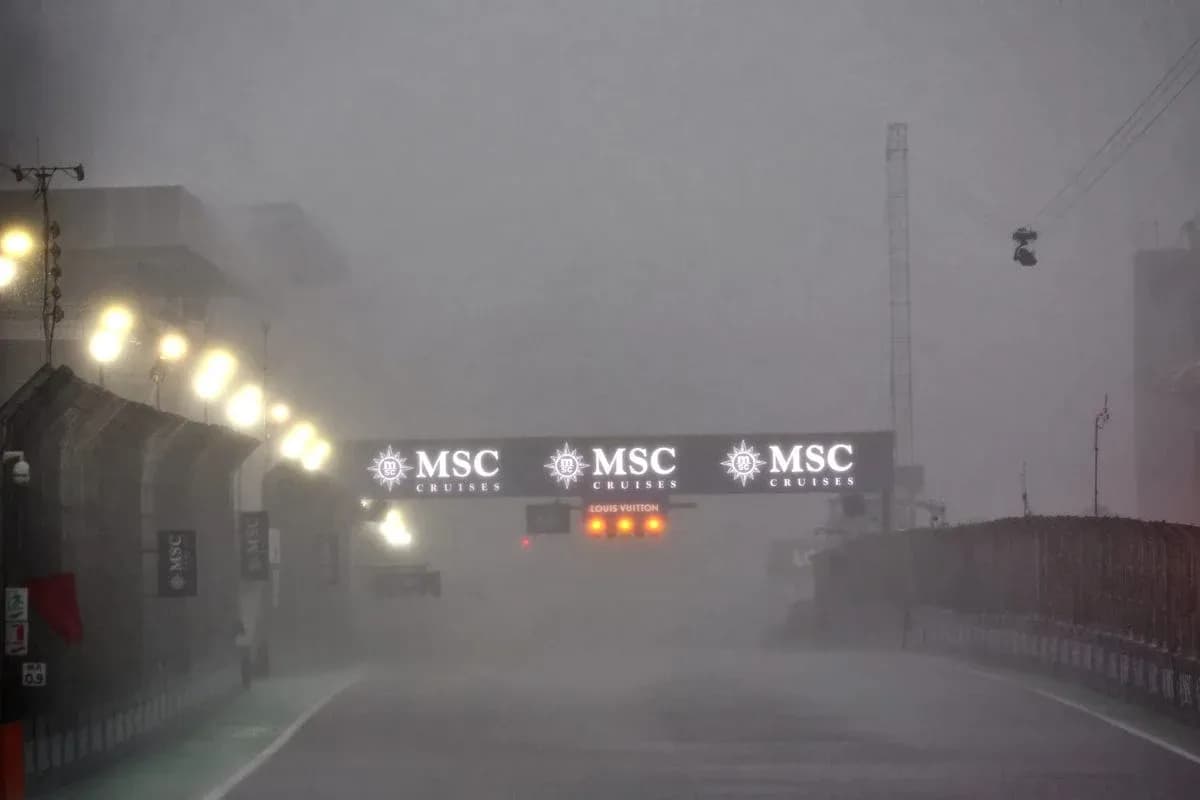
Less than two minutes after the green light, the red flags were out at Interlagos, torrential rain turning one of Formula 1’s great rollercoaster circuits into a waterlogged trap and forcing the stewards to shut it down.
Rain had always been on the radar for Saturday, but not like this. Not sheets of water hammering the asphalt just as the field tried to tiptoe out and find some grip.
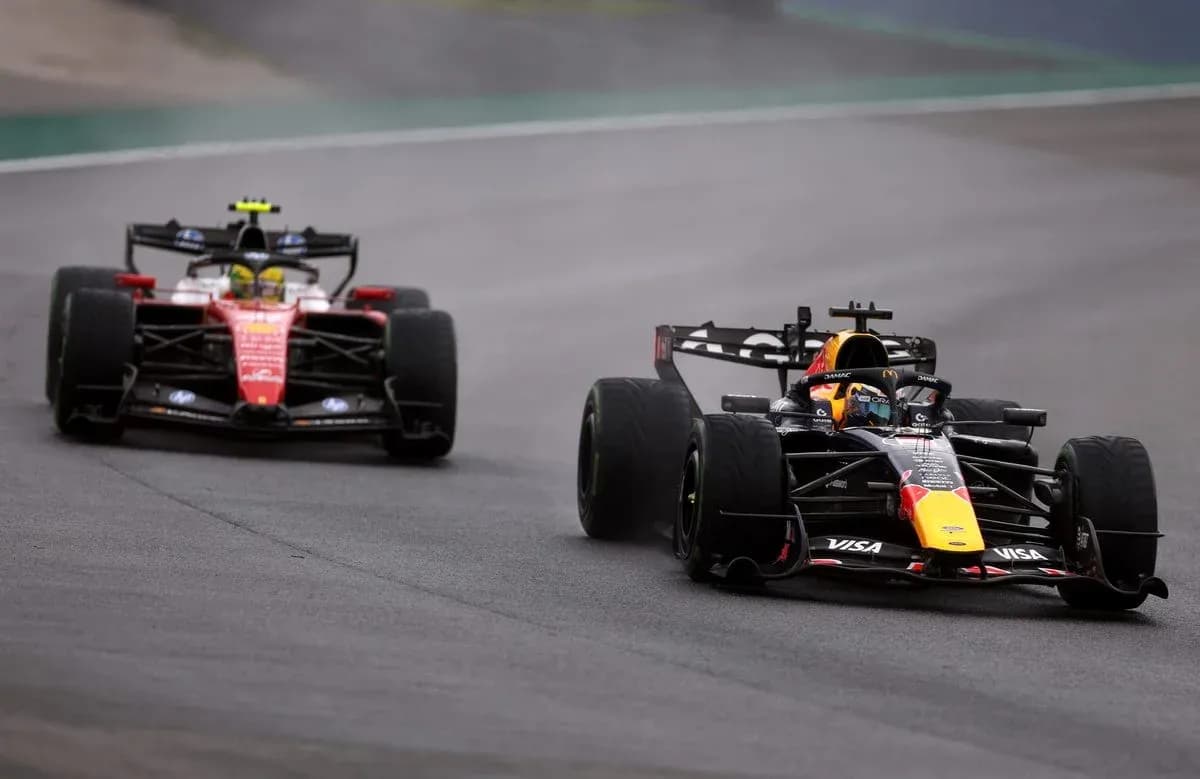
Eight cars rolled the dice on intermediate tyres: Kimi Antonelli and George Russell in the Mercedes, Charles Leclerc’s Ferrari, Isack Hadjar’s Red Bull, the two Alpines of Pierre Gasly and Franco Colapinto, Fernando Alonso’s Aston Martin and Valtteri Bottas in the Cadillac. It looked bold. Within seconds, it looked reckless.
As soon as they hit the track, it was obvious. This wasn’t marginal. It was undriveable.
Replays showed Lando Norris skating perilously close to the barriers, the McLaren aquaplaning as if on ice. Antonelli and Hadjar, fighting the wheel and the spray, could only laugh at the absurdity of the conditions, joking about needing waterproofs rather than racing gear.
Gabriel Bortoleto captured the paddock’s exasperation over team radio: “When I get out, I need to change my clothes, I'm completely wet!” It sounded less like a qualifying session, more like a survival exercise.
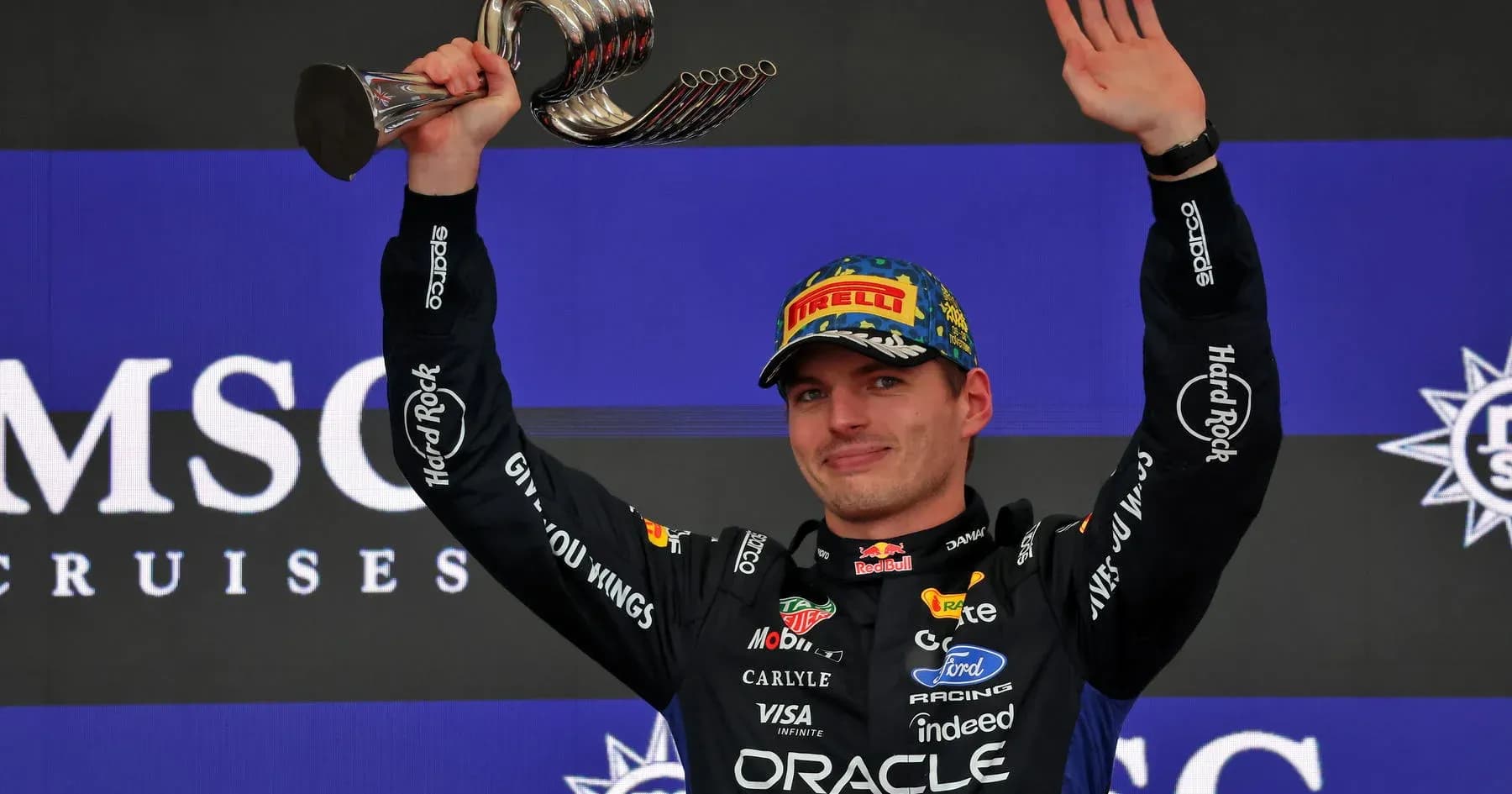
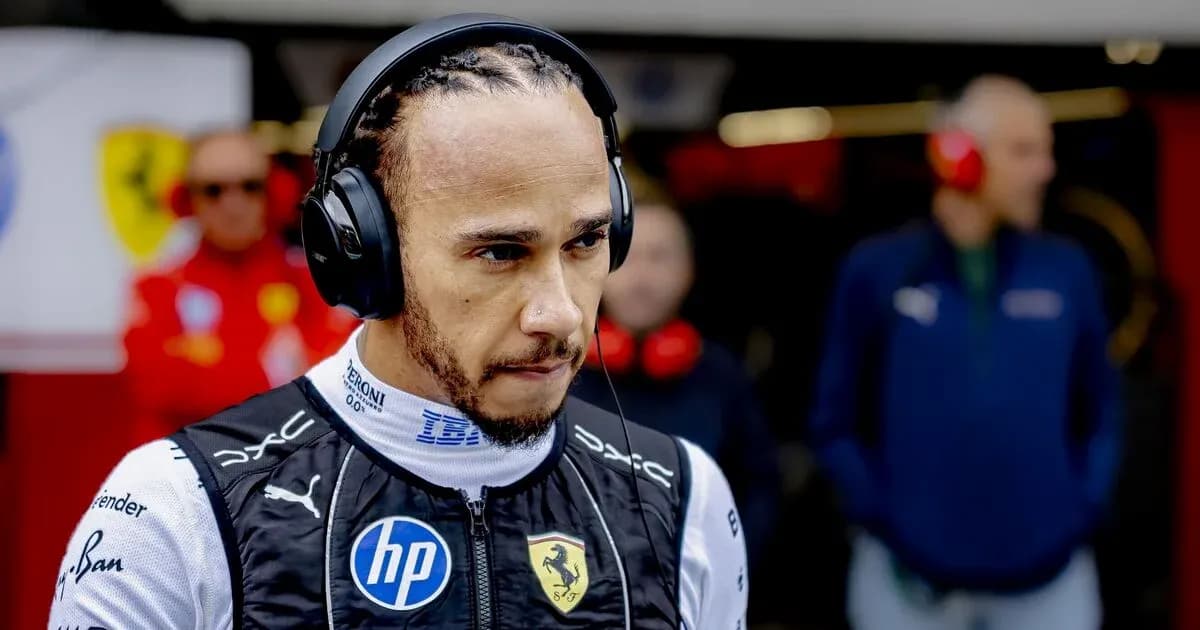
At the other end of the pit lane, experience spoke. Max Verstappen and Lewis Hamilton never even rolled down the garage doors. Both stayed dry, cars up on stands, watching the chaos unfold on the monitors instead of from behind the wheel.
With rivers forming across the circuit and spray hanging like a curtain, there was no talk of lap times, only of safety. There was still no confirmed restart time as the rain continued to batter the track. Nico Hülkenberg’s engineer warned him that the downpour would stay this heavy for at least 10 minutes, a message that came at 18:08 UK time and felt optimistic as the storm raged on.
The FIA moved to formalise what everyone could see. A statement confirmed an expected 10 minutes of intense rainfall and outlined the next steps: once conditions eased, the medical car would head out first “to assess the level of standing water.” Only then could the sport even think about going back to green.
Thirty-five minutes after the original qualifying start time, a hint of progress. The safety car finally rolled out, sending up huge plumes of spray as it began its reconnaissance. Drivers, sensing an opportunity, climbed back into their cockpits and strapped in, race suits darkened by the damp air and delay.
For a brief moment, Interlagos felt alive again.
But the circuit had one more twist. Shortly after the safety car completed two exploratory laps, radar screens and darkening clouds told the same story: another heavy rain band was closing in. Before a single competitive lap could be turned, drivers were climbing back out of their cars, helmets off, frustration on show.
Qualifying remained on hold, the grid undecided, the storm in full control. On a day built for pure pace, the only thing setting the order at Interlagos was the weather.