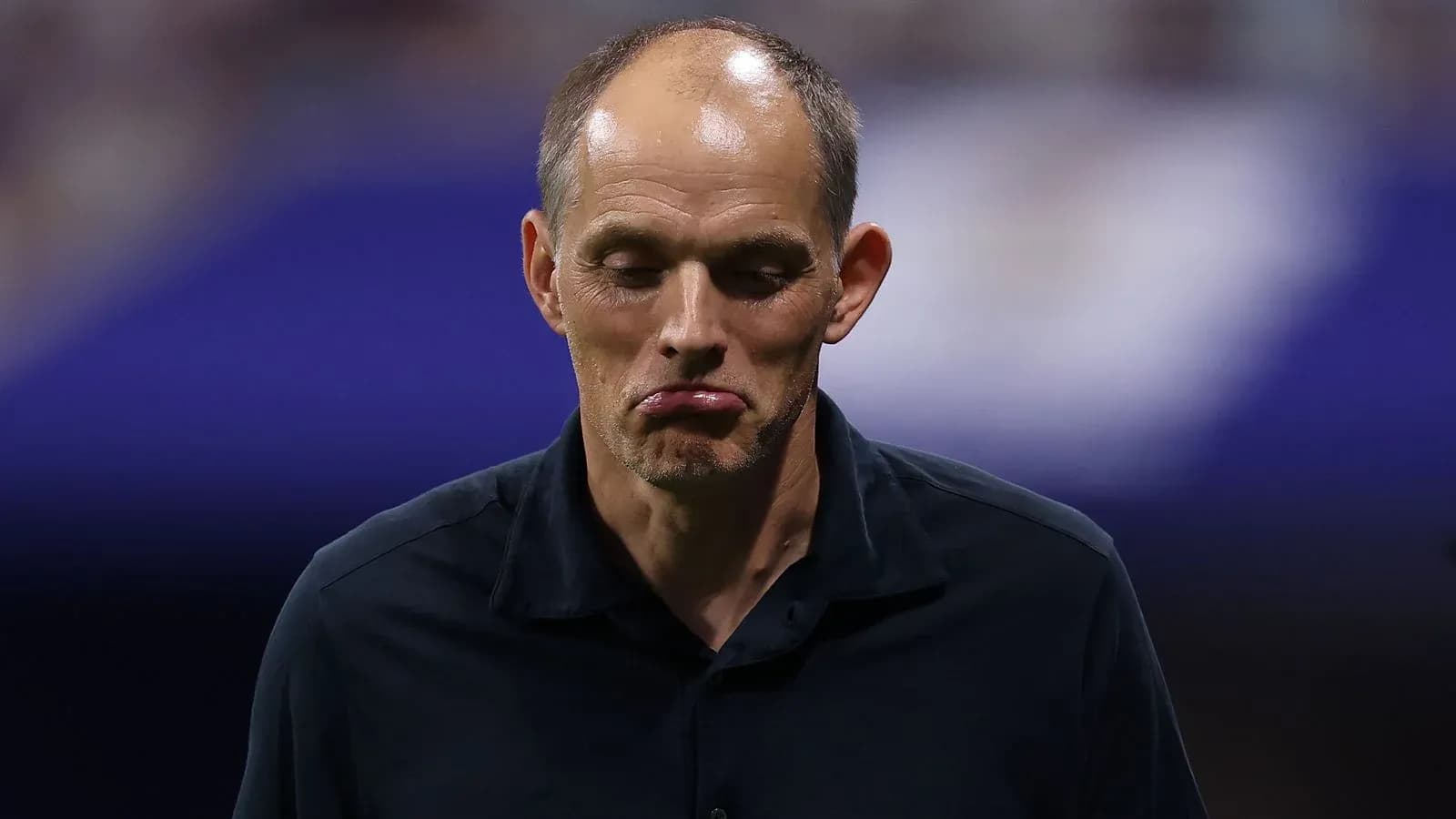
Tuchel Defends England's World Cup Journey and Legacy
Thomas Tuchel insists “99.9 per cent” of England fans are not replaying his substitutions or tactical tweaks from that World Cup semi-final defeat to Argentina. They’re talking about where they were, who they were with, how it felt.
The numbers and the noise since that 2-1 loss suggest otherwise.
Tuchel defends his World Cup legacy
England led through Anthony Gordon in the second half of that semi-final, had Argentina rocking, had a World Cup final in sight. Then came the turn.
Tuchel went to his bench and reached for security. Three defenders came on. England dropped deeper. Argentina grew taller.
Wave after wave of sky blue shirts rolled forward. Enzo Fernandez eventually smashed in the equaliser, Lautaro Martinez buried the winner, and Lionel Messi and company walked through the door England had left open.
The inquest has barely stopped since. Tuchel, though, paints a different picture of what he hears from the public.
“99.9 per cent of the fans don't talk about substitutions, tactical tweaks or tactical details,” he told reporters.
“They speak about where they watched the Mexico game, and they speak about the second-half energy of the Croatia match.
“They speak about how nerve-racking it was to watch our match against Congo and where they celebrated. This is the feedback I get. This is what we created, and how it should be.
“This is what a World Cup is for: to connect with people and give them experiences they do not forget.
“It makes me proud, it makes me happy. Even if it's just in a cab, at a coffee shop or in the supermarket, you share these little moments and understand that it actually meant something.
“It showed that what the players built was transmitted, and it's what we want to build on.”
For Tuchel, the story of the summer is one of connection, of brotherhood, of a group that gave the country memories. For many England supporters, the story is still those final 30 minutes when a place in the World Cup final slipped away.
A jarring assessment
Inside the FA review room, Tuchel spoke about “beautiful” moments. The bond in the camp. The performance in the bronze-medal match against France, a side he described as “maybe the strongest squad in the world”.
That game, a 3rd-place play-off, meant little in the wider sense. The job was to end England’s wait for a World Cup final since 1966. On that, the verdict is clear: they fell short again.
The context matters. This was England’s best World Cup finish since that famous summer 58 years ago. Third place. A podium. A tangible step on paper.
But Tuchel was hired on elite terms to do what Gareth Southgate could not quite complete. Southgate had already taken England to a World Cup semi-final and a European Championship final. The remit for Tuchel was simple and brutal: get them over the line.
He did not. And the manner of that failure – retreating into a defensive shell, inviting Argentina on, repeating old patterns of caution – is precisely what many fans and pundits cannot let go.
Tuchel wants the bigger picture. The country keeps zooming in on the same frame.
Backed before the storm
Tuchel also revealed he knew his future was secure even as the tournament unfolded. His position, at least publicly, seemed under threat after Argentina. Privately, he says, it never was.
“I felt the full support from all my bosses through the whole tournament,” he said.
“Before the Mexico game they told me we know anything can happen in a football match but don't worry, we can see what's going on.
“I felt this kind of freedom to take my choices and coach freely. There was never a doubt in my mind we'd continue together and there was clearly never a doubt in their mind. Reflection is sometimes necessary to get better and experience is a crucial part.”
That backing gave him licence to make the very substitutions now being dissected. It also means the FA owns this project as much as the coach does. They saw enough beyond one chaotic half-hour against Argentina to double down.
So the question moves on. Tuchel has his memories, his conversations in taxis and coffee shops, his belief that England built something worth keeping. The FA has its man. The players have their scars.
The next World Cup will show whether those “beautiful” moments were the start of something, or just a distraction from the same old ending.