Southampton's Espionage Scandal: Consequences and Accountability
Southampton’s season has been played under a cloud. Not the usual pressure of promotion, not the familiar strain of a long Championship campaign, but something far more corrosive: the fallout from a spying scandal that has already cost the club a shot at the Premier League and left its leadership pleading for mercy.
From training ground shadows to historic sanctions
The controversy exploded in May. Middlesbrough staff spotted a Southampton intern watching their training sessions in the build-up to the Championship play-off semi-final. It was not an isolated incident. Investigations quickly revealed that similar covert trips had been made to observe Oxford and Ipswich earlier in the season.
An independent English Football League commission did not treat it as a naïve mistake. Its verdict was brutal and unprecedented. Southampton were thrown out of last season’s play-offs entirely, stripped of the chance to compete for promotion and the minimum £200m windfall that comes with a place in the Premier League.
The punishment did not stop there. The new campaign began with a four-point deduction, a handicap that immediately reshaped expectations and tightened the financial vise around a club already counting the cost of failure to go up.
Now the Football Association has stepped in. Manager Eckert faces an FA misconduct charge over the same offences, with an independent regulatory commission set to examine his case this week. The EFL’s ruling has already rewritten the club’s recent history; the FA’s decision will go a long way to defining its near future.
“We’ve been hurt” – a club on the defensive
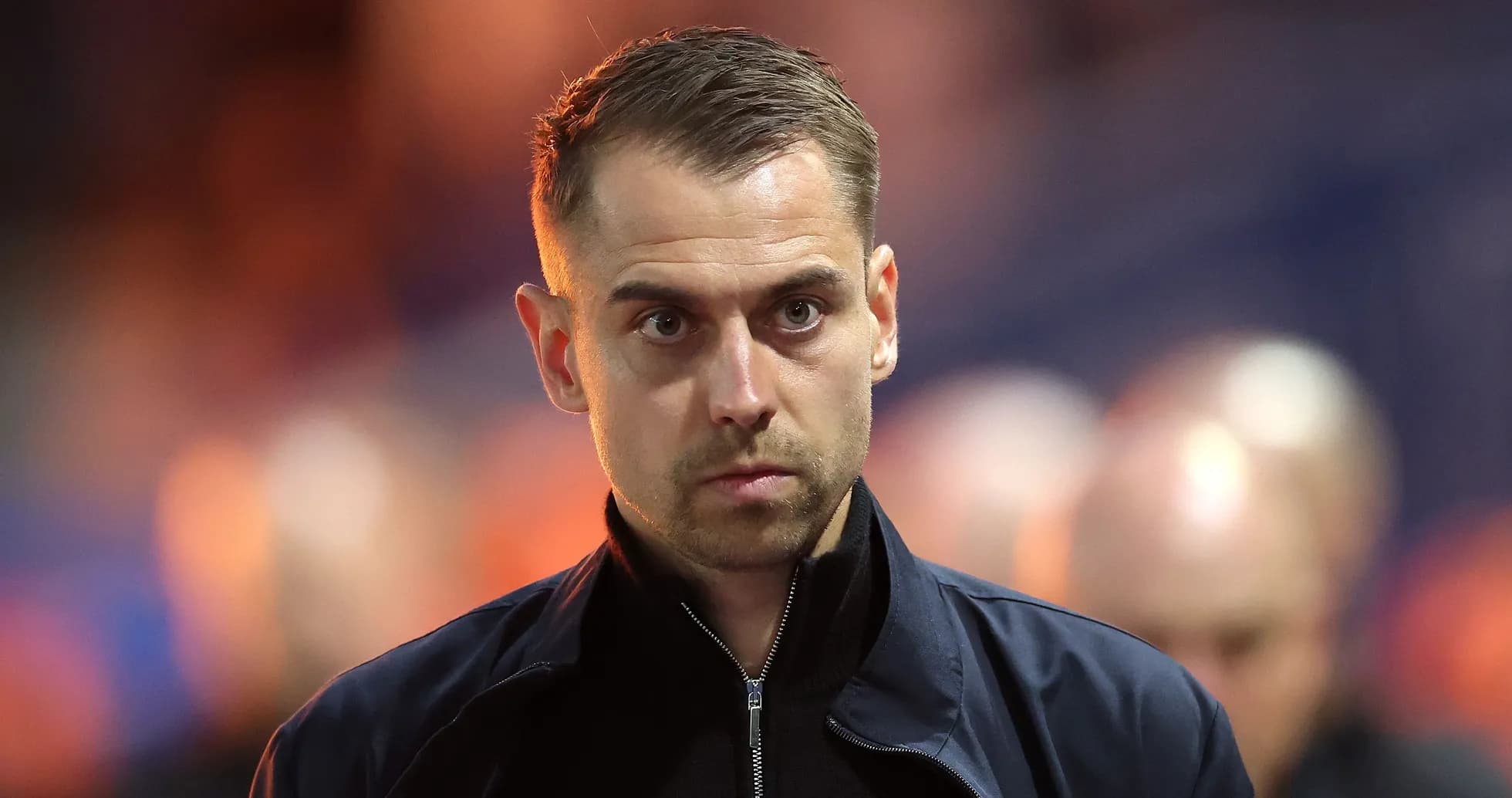
Into this storm stepped chief executive Phil Parsons, choosing his words carefully but making no attempt to hide the scale of the damage.
"What we hope as a club is they actually recognise where we are at the moment, and what we've already been through, because I think it has to be taken into account," he said, laying out not just the sporting cost but the economic shockwaves.
"We lose money not being in the Premier League, but [local] businesses lose money. We had to spend a huge amount on legal fees, and it really impacts the club even further."
This was not a club pleading innocence. It was a club arguing that the punishment has already gone far enough.
"I really feel like we've taken enough. We've been hurt," Parsons continued. "I think it's one of the largest sanctions ever when it comes to football, or even sporting, history. We don't want to be seen as a victim of this. We need to get on. We've had our cards dealt."
The message was clear: Southampton accept they crossed a line, but they believe the authorities have already swung the hammer with historic force.
Eckert under the microscope
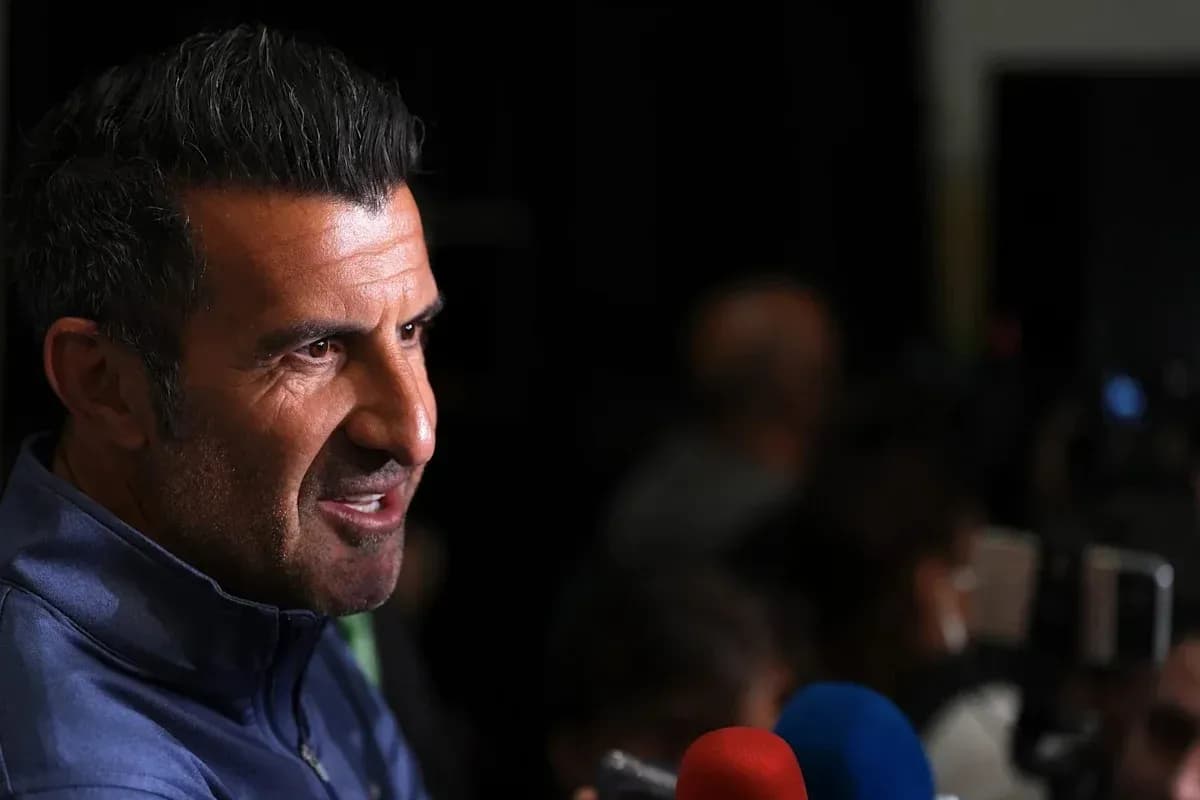
If Parsons tried to frame the club as wounded but resolute, Eckert cut a more personal, introspective figure when he spoke to the BBC on Monday.
He did not downplay the scale of the penalties. He called them "absolutely unheard of in the history of sports" and "a big, big punishment". This was not a manager lashing out at the system; it was one trying to process his own role in a scandal that has reshaped the club around him.
"And it's tough for me to say that because it concerns me. I'm judging on myself, not an outside situation," he admitted. "But I've asked for forgiveness for what I've done. I've apologised publicly."
Eckert has accepted responsibility for orchestrating the surveillance operations. What he has not accepted, at least in the eyes of the EFL panel, is full culpability for the culture that allowed them to happen.
The commission’s findings were stark. It described the espionage as "a contrived and determined plan from top down to gain a competitive advantage". This was not framed as a rogue act by an overzealous staffer; it was presented as a systematic strategy.
The panel also highlighted the position of junior staff, noting that they felt pressured into carrying out the covert work. That detail cut to the heart of the case: not just what was done, but how power was used inside the club to make it happen.
Eckert’s defence has rested on a different line. He has argued that, while he organised the missions, he did not realise they breached EFL regulations. Ignorance is no defence in regulatory terms, but it does shape the way his intent is viewed as the FA prepares to rule.
What he no longer disputes is the scale of the consequences. "I think the punishment has been very hard on the club for the last season," he concluded, a blunt summary of a saga that has turned from a tactical ploy into an existential headache.
A club paying the price
Strip away the legal language and Southampton’s situation is stark. They lost a shot at the Premier League, lost the money that comes with it, started the new season four points down, and have poured resources into legal battles instead of squad building.
The EFL has already made its statement about what it thinks of espionage in English football. The FA now has to decide how far individual accountability should stretch for a scandal the league has branded one of the most contrived and calculated in its history.
Southampton insist they want to move on, to stop being defined by what happened on training pitches they should never have been watching. The question is whether English football is ready to let them – or whether the next ruling will push this case even deeper into the game’s disciplinary record books.