From Sickness to Gold: Rio's Journey in Brazilian Jiu-Jitsu
The gi felt heavier than usual. The lungs, too.
A winter illness had stripped Rio of rhythm and energy in the weeks before the tournament, and the loss of his coach barely a month earlier had left a different kind of weight on his shoulders. For many athletes, that combination ends a campaign before it starts.
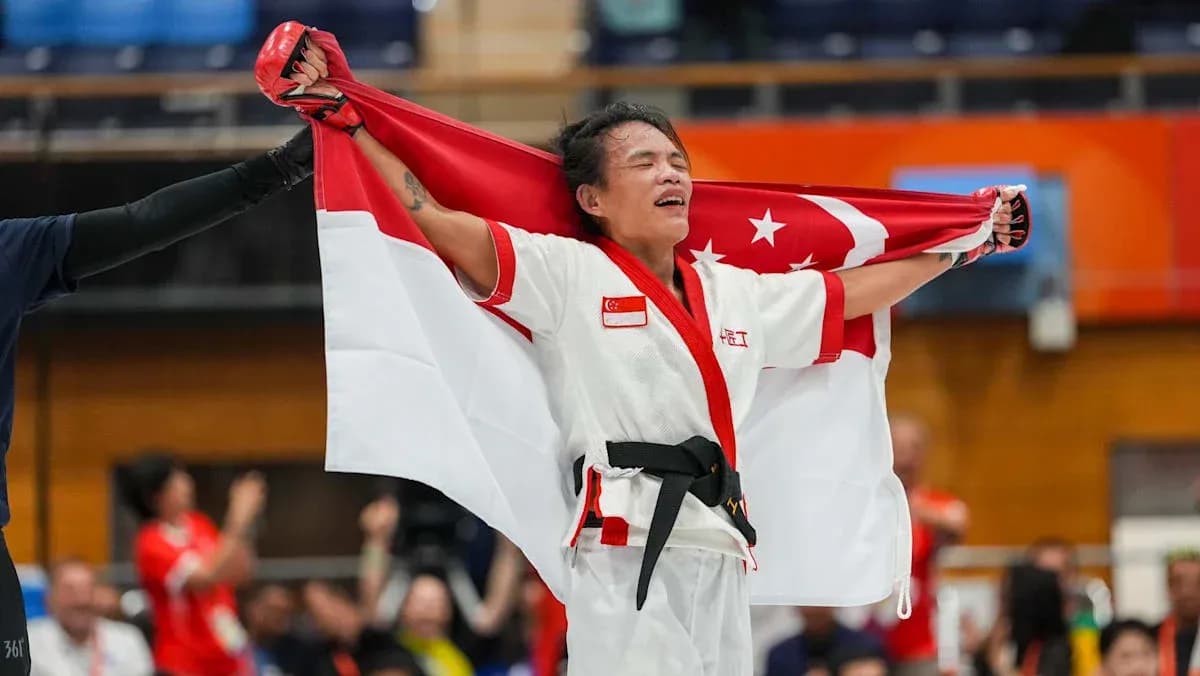
Rio walked onto the mats and won gold.
From sickness and loss to ruthless efficiency
Brazilian Jiu-Jitsu tournaments are built on structure and detail. Gi and No-Gi, sex, belt, age, weight. Heavy cotton jackets and belts marking rank in one division; tight rash guards and board shorts in the other, where grips come not from cloth but from underhooks, wrist ties and body locks.
Within that framework, Rio carved out his own story.
He cut through two opponents, one from Mongolia and one from Mexico, to claim his first international medal at black belt level. The opening bout barely had time to settle. Rio snatched a quick finish with an Aoki lock, a savage footlock that ended the contest inside the first minute. The second fight demanded more calculation, more patience, and ended in a classic: a triangle choke, locked in and finished for the gold.
For all the chaos of the build-up, once he stepped on the mat it felt, in his words, like “any other” tournament. Same canvas. Same grips. Same fight.
A coach’s legacy in a triangle
The medal itself did not move him much. The way he earned it did.
That final submission, the triangle choke, carried a deeper meaning. Rio’s late coach, Damian Smith, had built his reputation on that very position, drilling it into him over countless sessions and barking adjustments from the edge of the mat at past events.
So when Rio felt the opening in the final, his instinct was technical, but his mind went straight to Smith and those long hours of repetition. He finished with the move his coach had mastered, a small, brutal tribute wrapped around an opponent’s neck. For him, that was the real victory, the “perfect way to end the tournament.”
A tight-knit bay and shared success
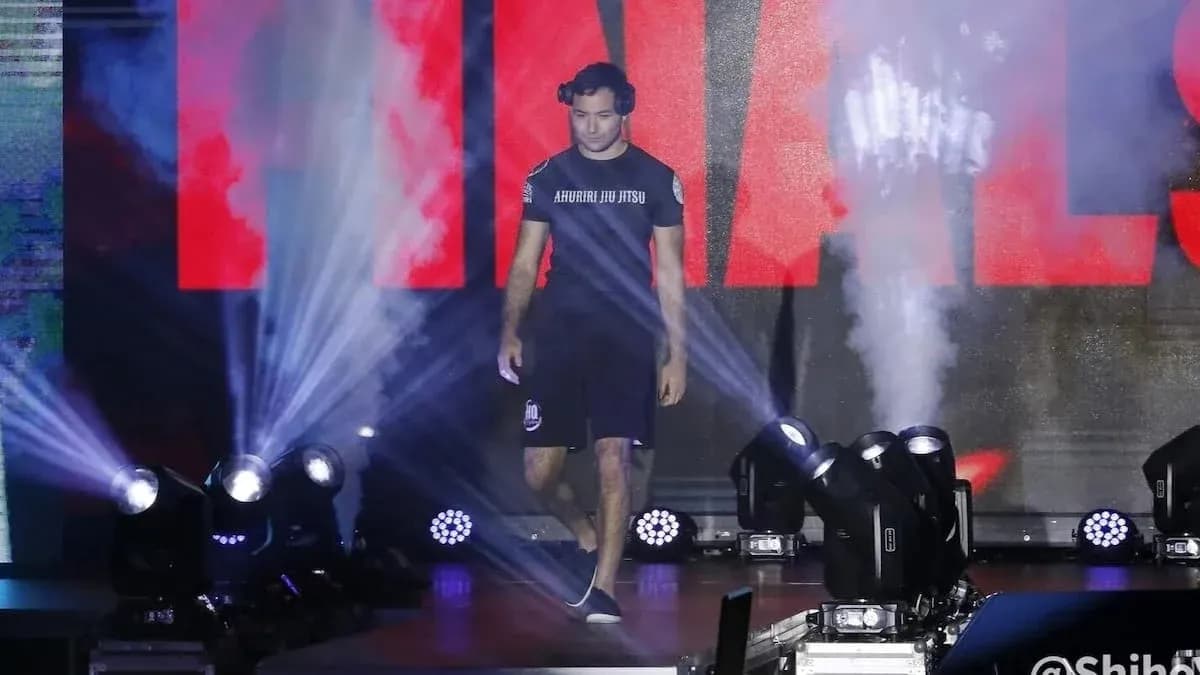
Rio did not claim the moment as his alone. He spread the credit quickly: to his team at Gracie Allegiance Ahuriri, to Gracie Allegiance Team New Zealand, and to the wider network of Brazilian Jiu-Jitsu gyms across Hawke’s Bay.
In that region, the BJJ scene is compact but connected. Train long enough and the faces become familiar, the rival gyms turn into shared rooms, and the roll partners into friends. Rio underlined that reality, insisting nobody gets anywhere in martial arts without good teammates and training partners.
The gold medal, then, becomes a community piece as much as an individual prize.
Japan, more mats, and what comes next
For now, Rio and his partner, fellow coach Yukako Mori, remain in Japan. The trip is not a victory lap so much as an extension of the grind: catching up with friends, squeezing in more Brazilian Jiu-Jitsu and Judo, finding more rounds and more lessons.
When they return to Hawke’s Bay, the plan is simple. Back to the mats in Ahuriri. Back to coaching. Back to “having fun with Jiu-Jitsu.”
For Rio, the sport still starts with that: enjoyment. Self-defence is a bonus, fitness a by-product. The real hook is the feeling of movement, the problem-solving on the ground, the friendships built one round at a time.
The door, he insists, stays open: anyone is welcome.