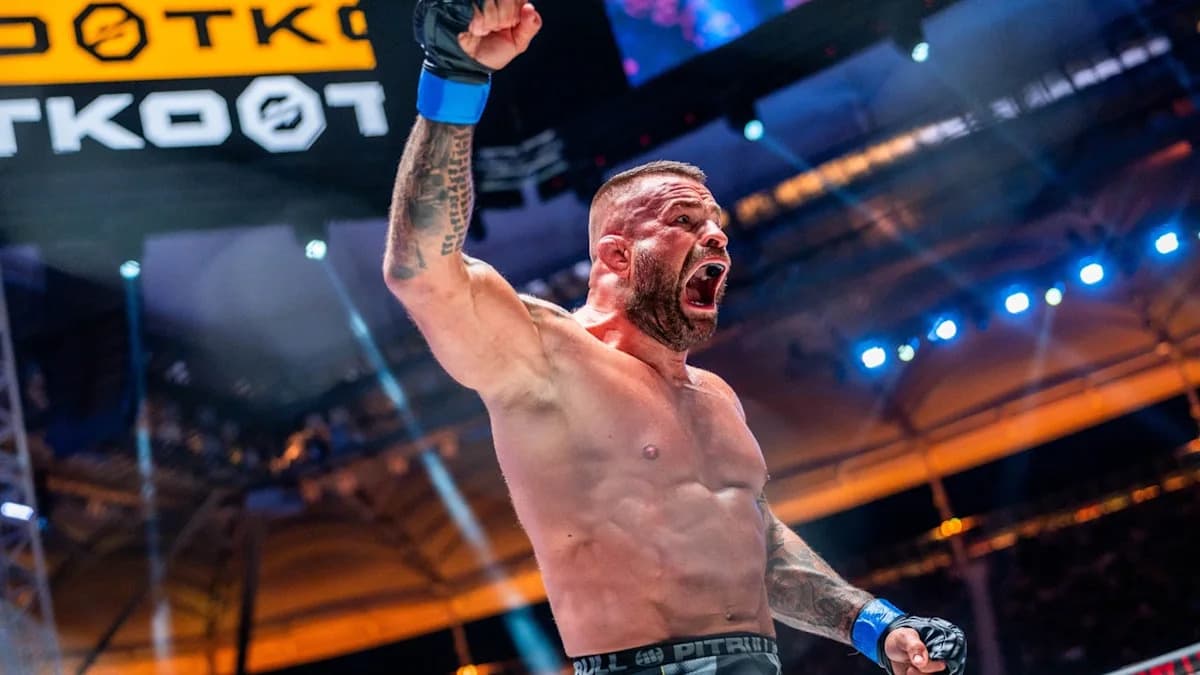
Oktagon Challenges Dana White’s Stadium Fight Doubts with Massive MMA Event
Dana White, UFC's president, has long dismissed the idea of holding MMA events in stadiums, saying he prefers arenas because outdoor venues lack the right atmosphere. He once stated in April 2025 that a stadium show would never change his mind about preferring arenas.
But on a recent Saturday, a European MMA promotion called Oktagon shattered that belief again. Based mainly in Germany, Slovakia, and the Czech Republic, Oktagon is a regional player compared to the UFC's global reach. Still, it has outperformed expectations twice in three years.
Record-Breaking Crowds at Deutsche Bank Park
Back in October 2024, Oktagon set a new attendance record for MMA shows outside of some early 2000s Pride events in Japan by drawing nearly 60,000 fans to Deutsche Bank Park in Frankfurt, home of Bundesliga club Eintracht Frankfurt. This year, for Oktagon 94, the promotion aimed to surpass its own record.
Co-founder Pavol Neruda admitted they had to choose between breaking attendance or enhancing the spectacle. They prioritized a giant entrance stage that also served as the centerpiece of one of their unique features: a half-time show. The musical performance was led by artist Robin Schulz, who added flair without distracting from the event.
Fans’ Reactions and Atmosphere
Though some fans took the half-time break as a chance to step away, likely influenced by poor memories of halftime entertainment from the World Cup final, the stadium was near full from the second preliminary fight onward. Early bouts like Michael Obodozie’s first-round knockout energized the crowd to settle in quickly.
The turnout and fan enthusiasm are rare even by UFC standards, let alone for other big boxing matches. The passion for fighting is growing strongly in Germany, which Neruda hopes to build on.
Fight Action and Unexpected Interruptions
The fights themselves did not disappoint, with seven finishes out of ten matches, six of them in the opening round. The crowd was loud, especially for local fighters like Max Coga, who won an intense co-main event, and Christian Eckerlin, who lost a close fight to former champion David Kozma.
The event wasn’t without hiccups. A power outage during a featherweight prelim match between Deniz Ilbay and Hugo Vach plunged the cage into darkness for about two minutes, halting the fight. Fans responded with loud whistles, fearing the worst.
Apparently, Oktagon had warned the stadium organizers about potential power issues beforehand, but improvements weren’t made. Luckily, power returned and Ilbay scored a knockout shortly after, turning the ‘lights out’ moment into an unforgettable scene. Ilbay credited unusual training methods for staying calm during the blackout, while Vach expressed frustration but refused to blame the outage for his loss.
More Than Just a Fight Night
This event happened in Frankfurt amid political tensions, with protests coinciding with rising far-right success in local elections. While Neruda said he was unaware of the political climate, he emphasized how sport can unite people across divisions. In this case, about 58,000 fans came together simply for their love of MMA.
UFC’s Loss Is Oktagon’s Gain
Although the UFC's White House card remains the biggest MMA event in terms of significance this year, Neruda pointed out it lacked the electric atmosphere Oktagon created. Ironically, White’s main reason for avoiding stadiums—poor atmosphere—was exactly what Oktagon delivered in spades.
Unlike the UFC's one-off outdoor experiment, Oktagon plans to make these stadium shows an annual tradition. Neruda made a clear statement:
"We want to say to Europe and even to the world that we are here. We are doing something special, and it’s worth the watch."