Real Madrid's Derby Tensions: Referees and Mourinho's Absence
The 2026-27 season is barely a month old, yet Real Madrid already feel they are fighting on two fronts: opponents on the pitch and referees off it.
The pressure burst in the Madrid derby.
At the Metropolitano, referee Ortiz Arias found himself at the centre of almost every major flashpoint. He sent off Dean Huijsen, showed no red card to Atletico Madrid’s Cuti Romero or Kang-In Lee in two heavy challenges that Real Madrid felt crossed the line, and then waved away appeals for a penalty after a handball by Marc Pubill inside the Atletico box.
Each incident added another layer of fury. By the final whistle, Real Madrid’s complaints were no longer murmurs. They were a public accusation.
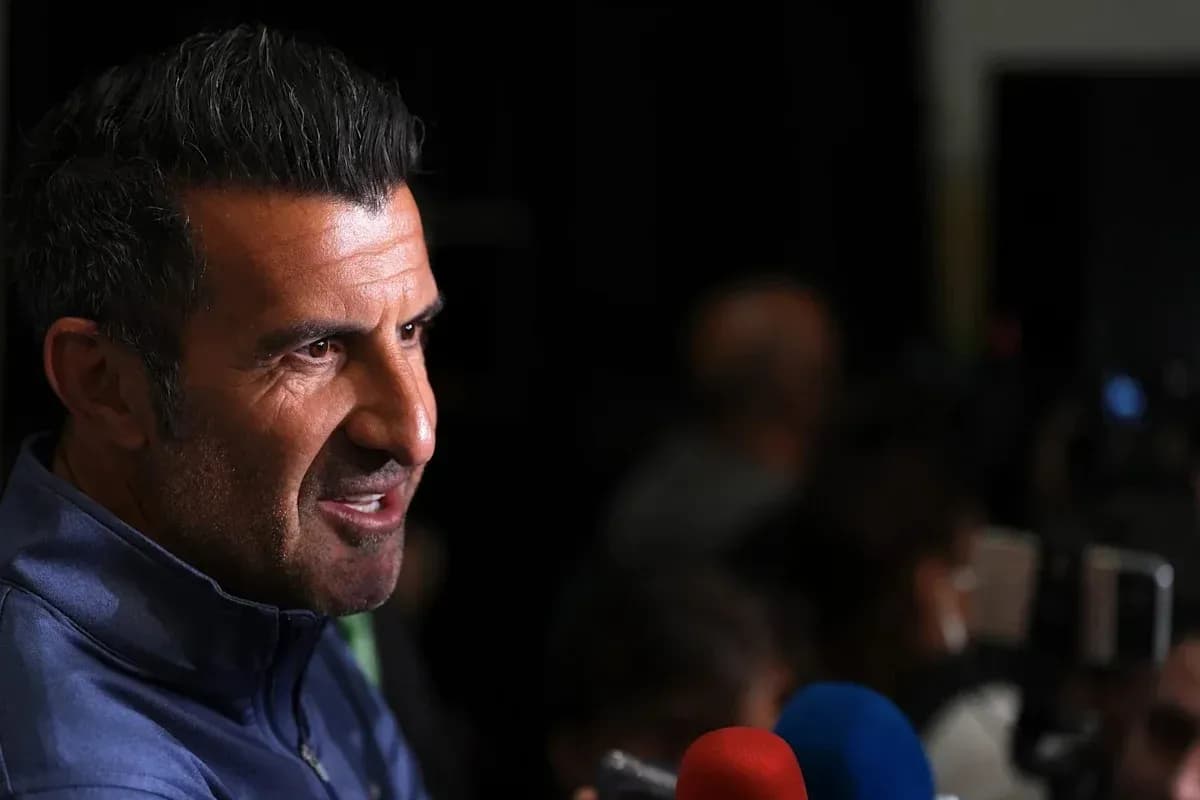
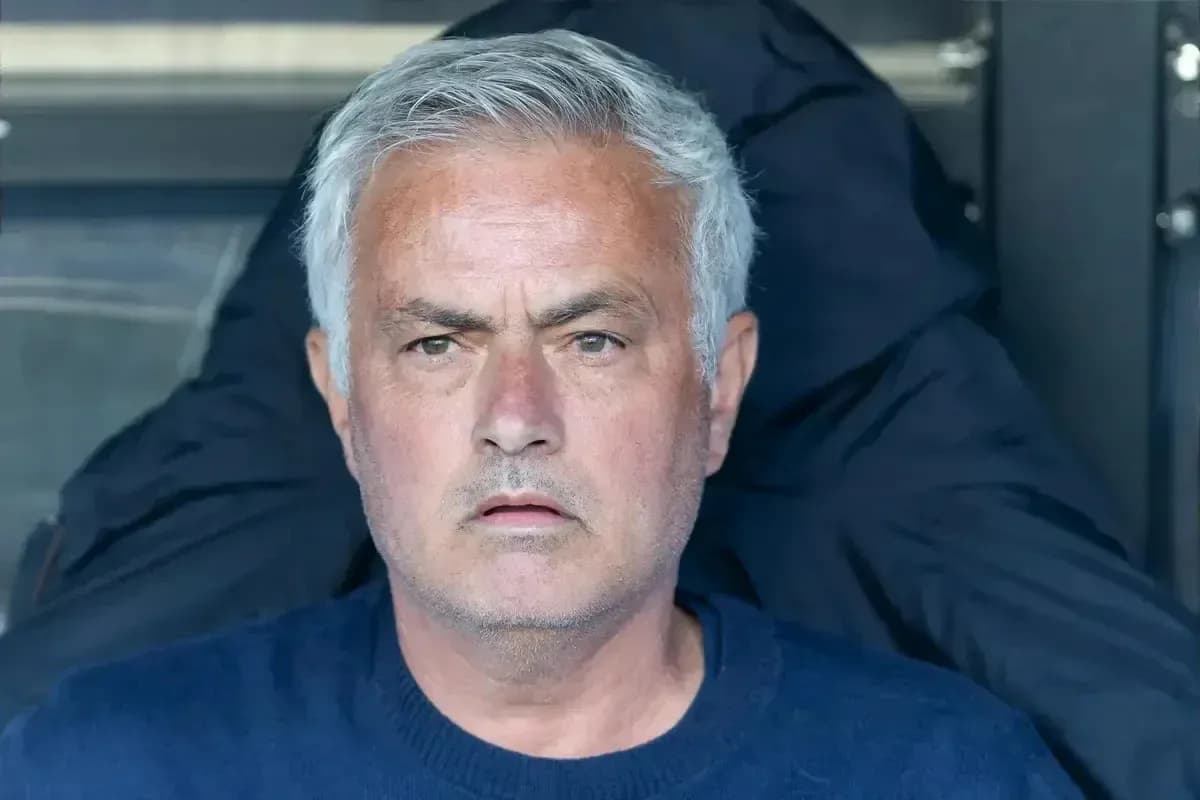
Jose Mourinho did not hold back. The Real Madrid coach launched a blistering attack on the federation and the officials after the game, turning what had been an on-field storm into a political one. His words landed in a landscape already primed for confrontation.
Against that backdrop, an annual coaches’ summit, scheduled for Tuesday, suddenly carried extra weight.
This meeting, held in recent years with managers from Spain’s top two divisions, usually serves as a working forum. Coaches gather, trade concerns, and push for solutions on recurring issues: finances, scheduling, and always, refereeing. It is not a glamorous event, but it is an important one, a rare space where the technical area speaks directly to the institutions.
This time, though, one of the loudest voices will be missing.
According to Diario AS, Mourinho has already confirmed he will not attend. He has explained his reasons to the organisers, stepping away from a table where his presence would inevitably have dominated the discussion. For a coach who has just ignited a national debate about officiating, his absence is as symbolic as any statement he could make in the room.
The big clubs are usually well represented. Coaches from Real Madrid, FC Barcelona and Atletico Madrid tend to show up, aware that their words carry weight in any negotiation over the direction of Spanish football.
Diego Simeone, almost a fixture at these gatherings, is this time a doubt because of personal reasons. His potential absence removes another powerful, experienced figure from the conversation. Hansi Flick, though, will be there, representing Barcelona at a moment when the relationship between the elite and the refereeing establishment feels especially fragile.
The timing could hardly be more sensitive. Real Madrid and the referees are once again locked in a very public stand-off, and the perception of conflict has begun to overshadow the football itself. Every decision, every VAR check, now arrives loaded with context.
That is where the institutions come in. The CTA, the RFEF and La Liga cannot treat this as background noise. The grievances are out in the open, voiced by one of the game’s most influential coaches and amplified by one of its most powerful clubs.
The question is no longer whether mistakes were made in one derby. It is whether Spain’s top league can convince its main actors that the competition’s integrity is protected, that their complaints are heard, and that the system is robust enough to withstand the pressure.
If they fail, this will not just be another refereeing row. It will be the fault line on which an entire season trembles.