Protect College Sports Act Advances: A New Era for NCAA
The power brokers of college sports took a major step toward rewriting the rulebook on Tuesday — not in a boardroom, but on the Senate floor.
By a 74–24 margin, senators voted to advance the Protect College Sports Act, an NCAA-backed, bipartisan bill that aims to drag an increasingly chaotic system under a single federal umbrella. It needed 60 votes. It cleared that mark with room to spare.
What comes next is less clear. A final vote in the Senate has no set timetable, and even if it passes, the bill still has to survive the House. But the message from Washington was unmistakable: Congress is now deep inside the huddle of college sports.
A federal grab at a fractured game
The Protect College Sports Act is the latest, and most aggressive, attempt to impose a national standard on a landscape that has splintered under the weight of court rulings and state laws.
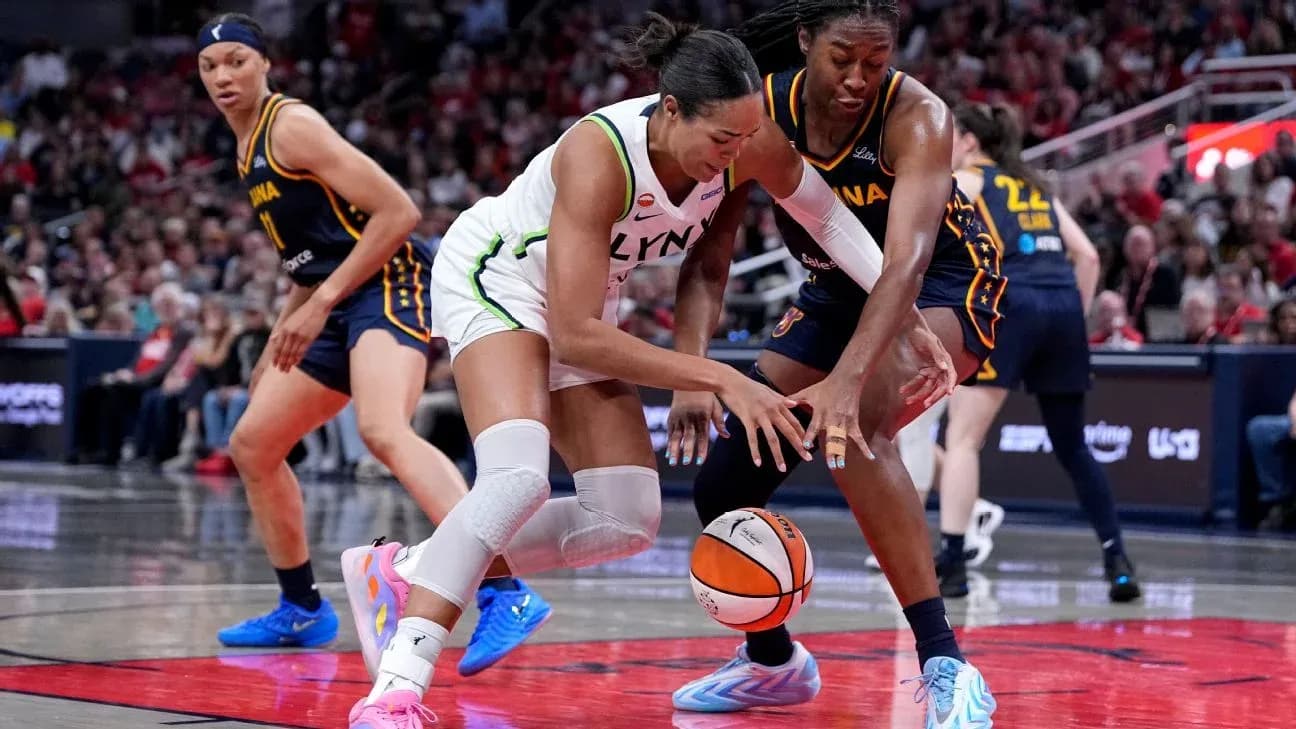
Over the past several years, long-standing NCAA rules — once treated as untouchable — have been shredded. Judges and temporary injunctions have opened the door for athletes to transfer freely, pushed schools toward direct compensation, and turned what used to be a tightly controlled amateur model into something closer to a free market.
The bill seeks to slam the brakes and draw new lines.
It would set federal rules on core issues: how many years of eligibility athletes get, how often they can transfer, what forms of compensation are allowed, and more. Instead of a patchwork of state statutes and courtroom decisions, the NCAA and its member schools would operate under one national framework.
For the NCAA, there is an even bigger prize buried in the text: an antitrust exemption.
That protection would shield the association from future legal challenges to many of its rules, a level of cover currently enjoyed by pro leagues like the NFL and NBA. The crucial difference, critics note, is that NFL and NBA players negotiate those rules through collective bargaining. College athletes do not.
Cruz, Cantwell and a rare alliance
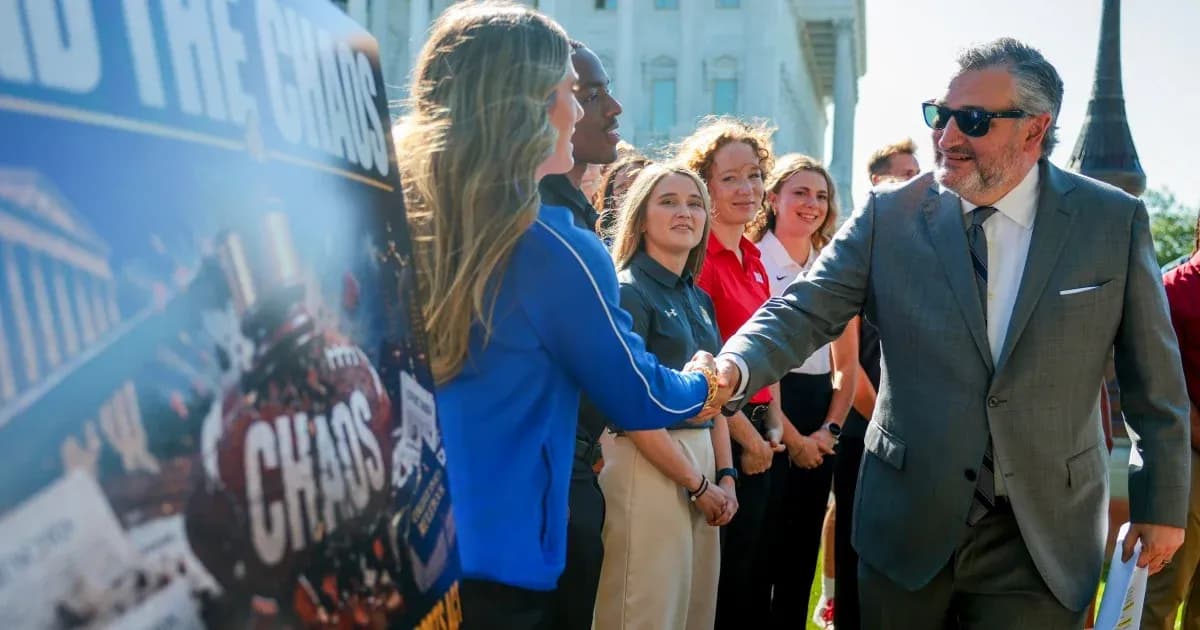
The bill’s backing cuts across party lines. Introduced this year by Sen. Ted Cruz, R-Texas, and Sen. Maria Cantwell, D-Wash., it has drawn support from both Republicans and Democrats eager to rein in the legal chaos swirling around college football and men’s and women’s basketball in particular.
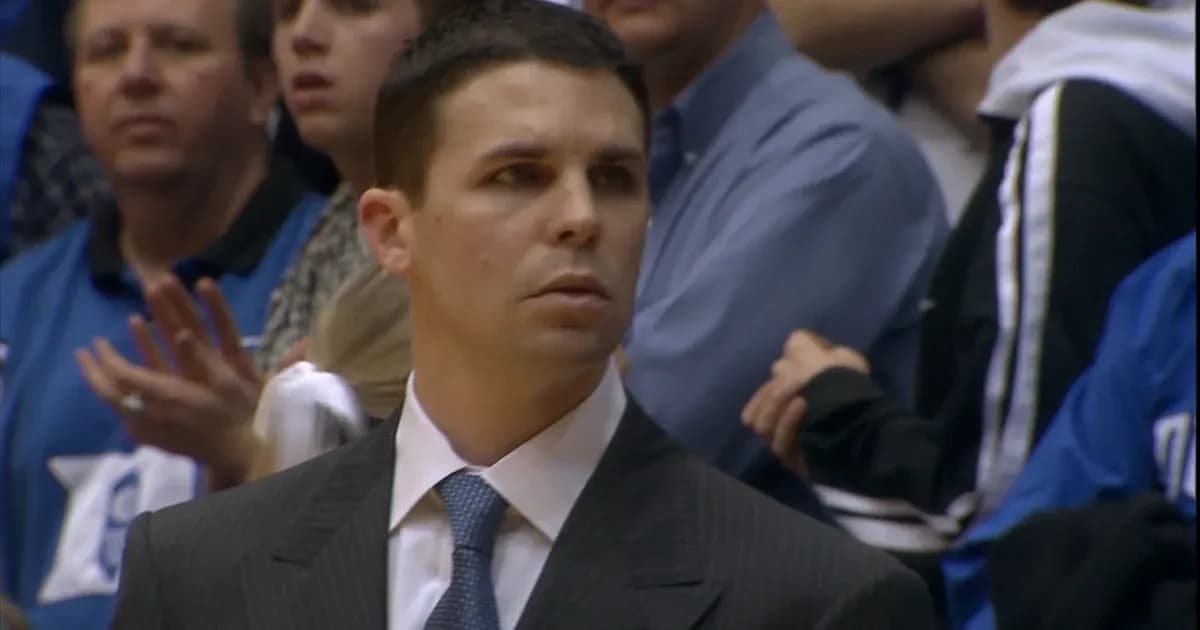
The NCAA has spent years lobbying for exactly this kind of sweeping federal intervention, as state-level decisions have steadily eroded its authority. On Monday, Gonzaga men’s basketball coach Mark Few stood alongside Cruz and Cantwell to make the case.
“This bill might not be perfect, but it’s far, far away the best thing we got out there right now,” Few said, capturing the urgency from those inside the system who fear a future with no clear rules at all.
For them, the act is a lifeline — a chance to restore order, protect traditional structures, and give schools and conferences a stable set of guidelines they can actually plan around.
A fierce backlash builds
Not everyone sees a rescue. Some see a lock-in.
The Protect College Sports Act faces heavy opposition from the Congressional Black Caucus and the NAACP, groups that have watched revenue in college sports explode while many of the athletes driving that boom — disproportionately Black in football and men’s basketball — fight for a bigger piece of it.
One of the bill’s sharpest critics, Sen. Chris Murphy, D-Conn., did not mince words.
“This bill protects the billions of dollars that coaches and sports industry executives are making over the suppression of compensation for some of the most highly valued athletes in the world,” Murphy told reporters Monday. “What we’re being asked to do is to basically allow colleges and conferences and the NCAA to illegally collude.”
To opponents, the antitrust exemption isn’t a technical fix. It’s a shield that could cement a system in which the money keeps flowing to coaches, administrators, media partners and executives, while athletes remain boxed in by rules they didn’t help write.
The battle for public opinion
The fight has already spilled well beyond Capitol Hill.
Cruz recently took his pitch to ESPN’s “College GameDay,” stepping into one of college football’s biggest stages to sell the act directly to fans. It was a striking image: a U.S. senator using a pregame show to argue for federal control over eligibility and transfers.
Murphy answered on a different platform, laying out his rebuttal on Stephen A. Smith’s “Straight Shooter” podcast, where the audience skews toward those who see athletes as underpaid centerpieces of a multibillion-dollar industry.
Both sides know what’s at stake. This isn’t just about how many times a quarterback can transfer or how a point guard gets paid. It’s about who owns the future of college sports — Congress and the NCAA, or the athletes and courts that have already started to reshape it.
The Senate’s vote pushed the Protect College Sports Act closer to reality. The real collision — between a tightening federal grip and a rising demand for athlete power — is only just beginning.