Oxford United Withdraws Controversial ‘United 93’ Collection
Oxford United spent Friday morning unveiling a bold new look. By lunchtime, they were scrambling to take it all down.
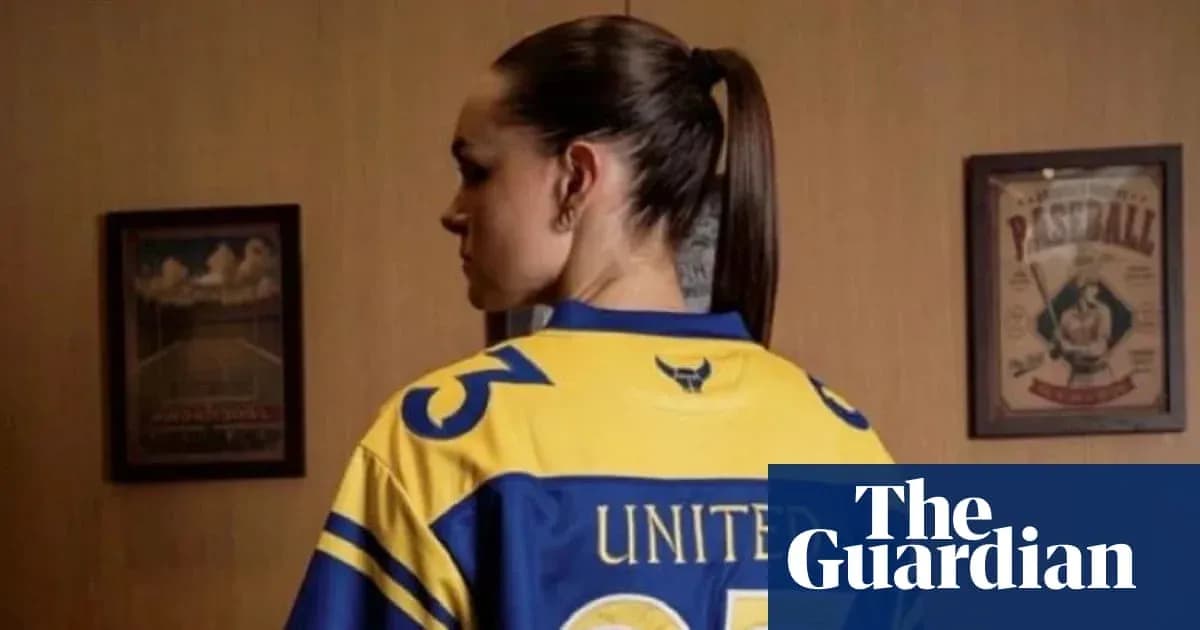
The League One club launched their “Campus Collection” – a line billed as being “inspired by the style and culture of American sports” – only to realise that a key piece of branding sat uncomfortably close to one of the darkest days in modern history.
Splashed across an NFL-style shirt, in big block letters, were the words: “United 93”.
For Oxford, the “93” was a nod to the year of the club’s founding, 1893. For anyone with even a passing memory of 11 September 2001, it meant something very different.
United 93 was one of the four passenger planes hijacked by al-Qaida terrorists during the 9/11 attacks. A revolt by passengers stopped the hijackers reaching their suspected target in Washington DC, and the aircraft crashed into a field, killing all 44 people on board. The story later became the subject of the film “United 93”, further cementing the number in the public consciousness.
Oxford had already flirted with danger over the timing. The Campus Collection had originally been trailed for launch on 11 September this year – the 25th anniversary of the atrocity that killed nearly 3,000 people – before concerns over sensitivity pushed the date back.
The branding survived that first rethink. It did not survive the second.
Once images of the range went live on Friday, social media did the rest. Screenshots of the “United 93” shirt spread quickly, and with them a mixture of disbelief and anger that such a phrase had made it past any approval process at all.
Within roughly two hours, the collection had vanished from the club’s online store. Oxford then issued a public apology that laid the blame squarely at their own door.
“The range was released without understanding of the historical context and associations,” the statement read. “It should not have reached the point of sale and we take full responsibility for not undertaking proper due diligence.
“We have removed the collection with immediate effect and are reviewing our approval processes to ensure nothing like this happens again. Once again, we would like to put on record our sincere apologies for this error and any offence caused.”
The club’s contrition did little to soften the initial shock for some supporters. On the Yellows Forum, one fan described the episode as a “monumental cock-up that I would expect to be sacked for if I’d signed off on it”. The sense was clear: this was not a marginal call, but a glaring oversight.
Others, though, looked at the context and urged restraint. “Whilst not ideal … everyone who sees this realises there’s no malicious intent,” another user wrote. “Ultimately there was just no consideration to it at all.”
That, in many ways, is the heart of the story. Not malice. A vacuum of awareness.
In an era when clubs operate as global brands as much as football teams, Oxford’s rapid U-turn underlines how quickly a marketing idea can turn toxic if cultural and historical sensitivities are not understood. One phrase on a shirt, intended as a simple reference to 1893, instead dragged the club into the emotional aftershock of 9/11.
The Campus Collection is gone, its web page deleted, its stock pulled. What remains is a bruising reminder that in the modern game, every slogan carries a history – whether the people signing it off know it or not.