Oxford United Apologises for Controversial 'United 93' Clothing Line
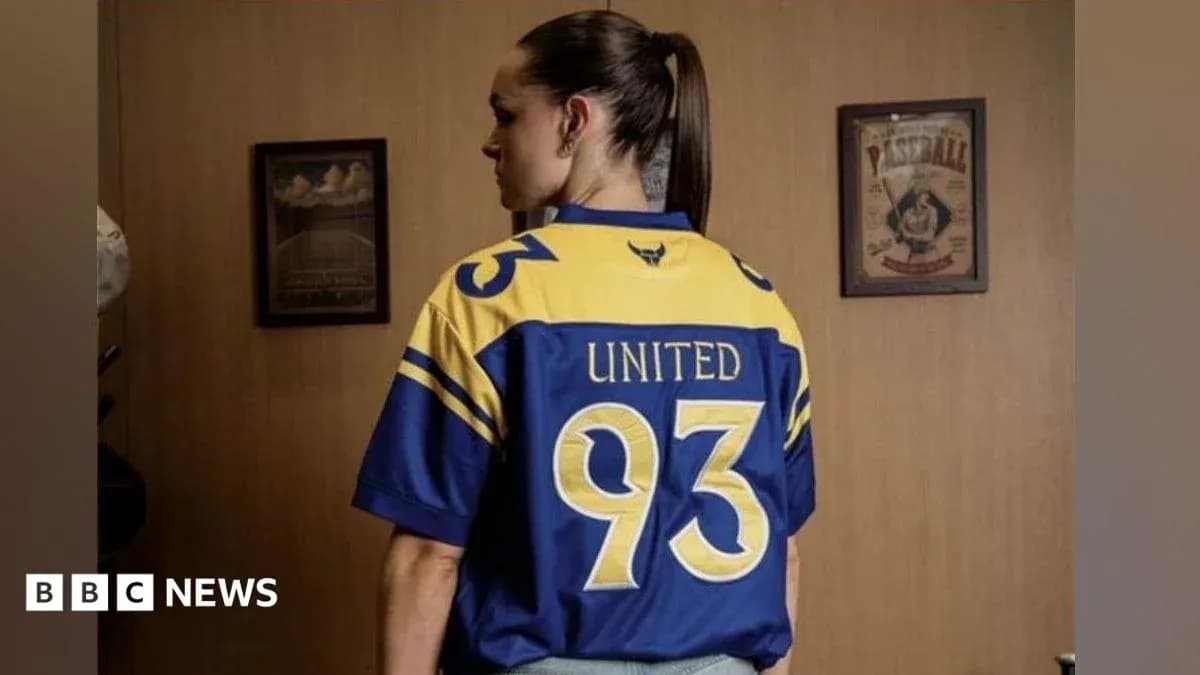
Oxford United have been forced into a swift and uncomfortable climbdown after launching a new clothing range featuring “United 93” on the back – the call sign of one of the hijacked planes in the 9/11 attacks.
The intention was simple enough: a nod to the club’s roots and its founding year of 1893. The execution was anything but.
What was meant to be a piece of retro branding for a League One side with modest commercial reach instead collided head‑on with one of the darkest days in modern history. “United 93” is not just a number; it is the designation of United Airlines Flight 93, which crashed in Shanksville, Pennsylvania, on 11 September 2001 after being hijacked, killing all 44 people on board.
The club moved quickly once the implications became clear.
Campus Clothing line withdrawn
In a statement, Oxford United confirmed that the Campus Clothing range had been pulled from sale and issued an unreserved apology.
The club said the collection had been released “without understanding of the historical context and associations” and admitted it had failed in its duty of care over what it was putting on the shelves.
“It should not have reached the point of sale and we take full responsibility for not undertaking proper due diligence,” the statement read. The club added that the range had been “removed with immediate effect” and that its internal approval procedures are now under review “to ensure nothing like this happens again”.
From Headington to a global flashpoint
Oxford United, formed in 1893 as the amateur side Headington, have long traded on their history. Now in League One, the third tier of English football, they operate far from the glare that surrounds the Premier League’s commercial machines.
This episode shows how even a relatively small club can stumble into a global fault line.
For many, “United 93” is inseparable from the wider horror of 9/11. Nineteen Al Qaeda members hijacked four commercial passenger planes in the United States that day. Two were flown into the Twin Towers of the World Trade Center in New York, bringing both buildings down. Another struck the Pentagon near Washington DC.
The fourth, United Airlines Flight 93, never reached its suspected target – believed to be the US Capitol Building. It crashed in rural Pennsylvania after passengers are understood to have resisted the hijackers. The attacks killed 2,977 people and injured tens of thousands more, and the story of that final flight was later told in the 2006 docudrama film “United 93”.
In that context, a football shirt number becomes something else entirely.
A harsh lesson in global sensitivity
Oxford’s error was not malicious. It was careless. In the modern game, where clubs push new merchandise lines at relentless speed, that carelessness carries a price.
The club now face the task of proving their review of “approval processes” is more than just a line in a press release. In an era when every design, every slogan, every number can be seen worldwide within seconds, can any professional club afford to overlook the weight a simple combination of digits might carry?