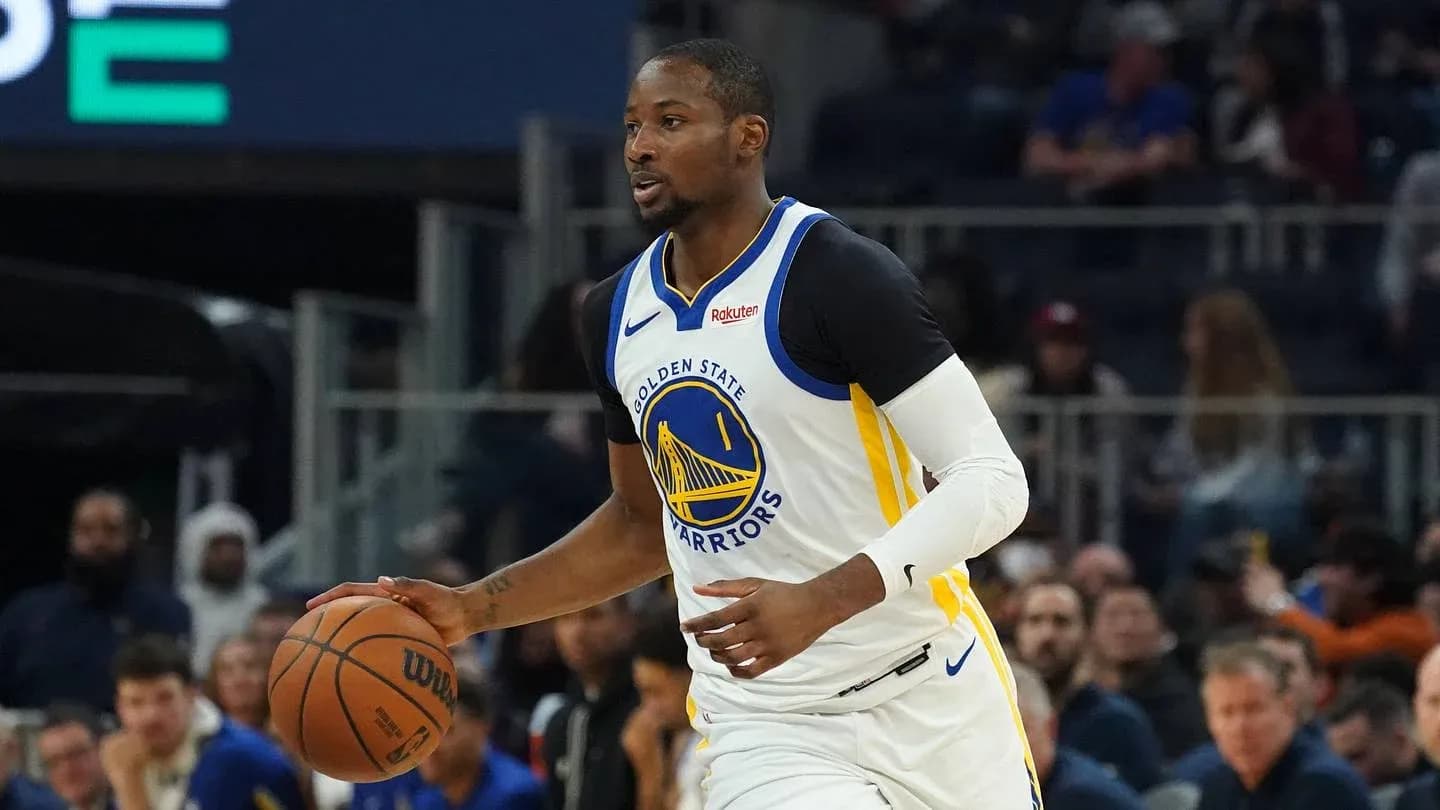
Jonathan Kuminga's Deal: A Warriors Misstep
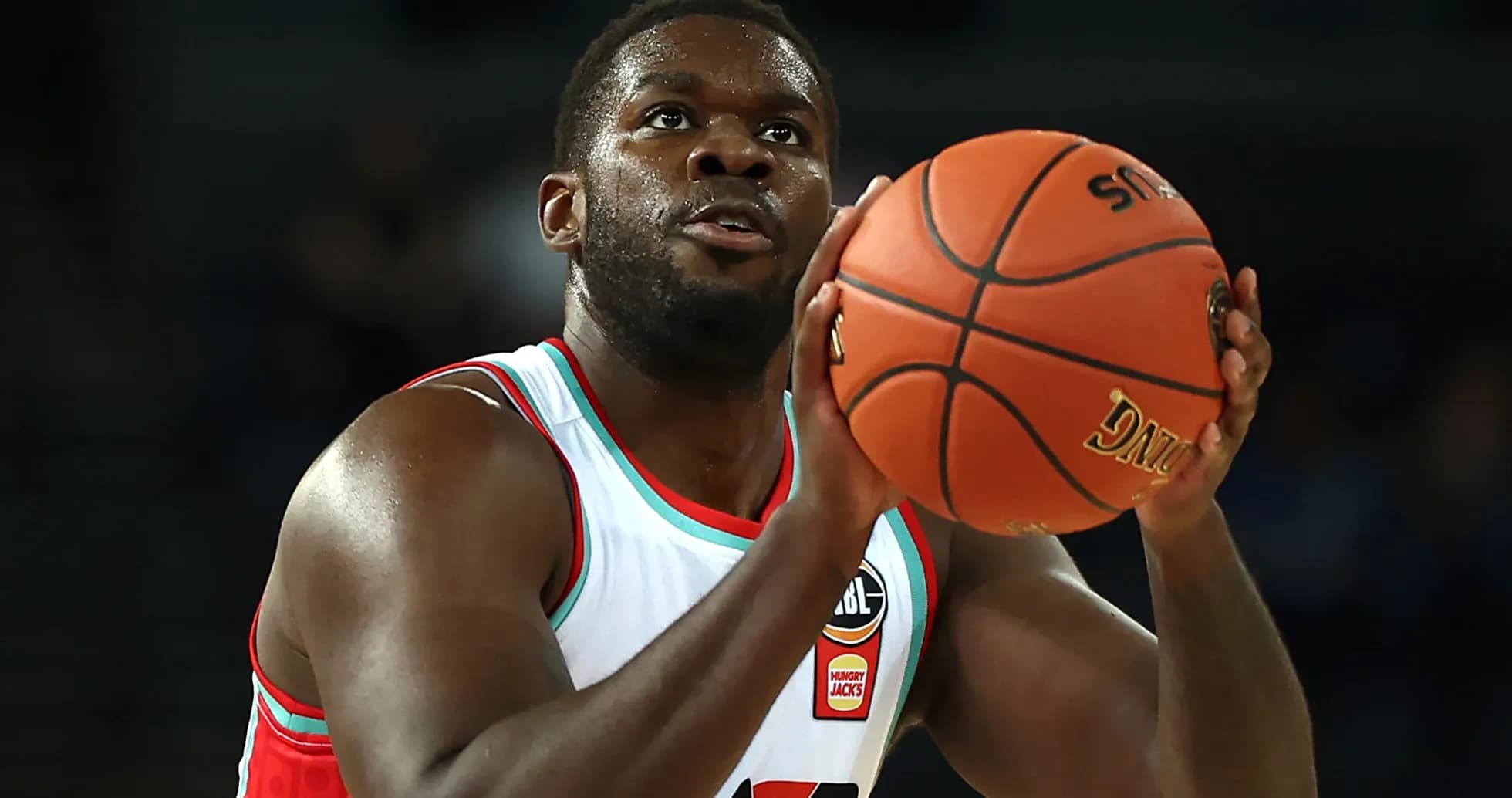
Jonathan Kuminga’s new deal with the Minnesota Timberwolves landed with a thud in the Bay Area.
Two years, $12.4 million. Taxpayer mid-level money. For a former No. 7 pick once positioned as the bridge from the Stephen Curry era to whatever came next, the number was jarring. Especially for Warriors fans who remember the offer he walked away from: three years, $75.2 million from Golden State just a year ago.
That contrast isn’t just a talking point. It’s an indictment of how the Warriors handled the entire Kuminga chapter.
The Offer That Never Should Have Been on the Table
Strip away the emotion and the hindsight. The Warriors had no business putting $75.2 million in front of Kuminga in the first place.
Reporting from ESPN’s Shams Charania and Anthony Slater laid out the timeline of last year’s negotiations in stark detail:
- General manager Mike Dunleavy Jr. opened with a two-year, $45 million offer, with a team option on the second season.
- Kuminga’s camp said no. The team option was a sticking point; he wanted either more average annual value or a player option.
- Dunleavy pushed the number up, to three years and $75.2 million, still with a team option — this time on the third year.
- Kuminga turned that down as well, again over the team option.
- Owner Joe Lacob resisted the idea of a one-year “balloon” deal because he didn’t want to risk losing Kuminga for nothing the following summer.
- Eventually, the sides landed on a two-year deal worth up to $48.5 million, with a team option in the second season.
In the moment, it looked like a high-stakes bet on upside. In reality, it was reckless.
Kuminga wound up with a contract that still included a team option and carried a similar annual value to the $75.2 million proposal — but with more than $20 million less guaranteed. The market has now delivered its verdict. A sixth-year forward just signed for the taxpayer mid-level exception. League-wide, nobody came close to valuing him as a $75 million player.
The Warriors’ original offer looks even worse through that lens. Not unlucky. Not unfortunate. Reckless.
The Alternate Timeline: If Kuminga Had Said Yes
Run the tape a different way.
Say Kuminga had accepted that three-year, $75.2 million deal. The personality clash with Steve Kerr? That doesn’t magically disappear. The frustration over role and minutes? Still there. The need for a fresh start? Probably even louder.
The difference is the leverage.
One of the main reasons Atlanta took a swing on Kuminga was the structure of his deal. He was effectively on an expiring contract. The Hawks could treat him like a short-term upside play, then make a clean decision. They did exactly that, declining the team option and sending him into free agency.
If Kuminga had a fully guaranteed 2026-27 salary attached to him at the number the Warriors offered, the equation changes. It’s hard to see Atlanta giving up Kristaps Porzingis in that scenario. Harder still to imagine another team stepping up with that kind of return for a still-uneven player locked into big money.
In that world, Kuminga might very well still be in San Francisco, agitating for a trade while the front office scours the league for a deal that doesn’t exist. The Warriors would be staring at a clogged cap sheet and a miscast “future star” they couldn’t move without attaching even more assets.
Instead, they got lucky. Kuminga bet on himself. The bet didn’t pay. And Golden State escaped a contract that would have aged terribly.
A Lucky Escape, Not a Strategic Masterclass
That’s the uncomfortable truth for the franchise: the Warriors were saved from themselves by a player misreading his own market.
The Kuminga saga doesn’t just raise questions about one negotiation. It shines a light on years of decision-making at the top.
Golden State poured time, touches, and organizational capital into the idea of Kuminga as the next foundational piece. They reportedly turned down multiple trade opportunities along the way, choosing to keep him as the heir apparent to a core that was always going to age out.
Now, that supposed cornerstone is signing a two-year, $12.4 million deal as he enters his sixth season. That’s not just a miss. That’s a gulf between internal projection and league reality.
To be fair, not all of this lands on Mike Dunleavy Jr. Bob Myers was still in charge when Kuminga was drafted, and the vision of a two-timeline Warriors team — contending now while grooming the future — was a collective front-office dream.
Since Dunleavy took over, his work on the margins and in the draft has been sharper. Brandin Podziemski looks like a hit. Quinten Post and Will Richard have drawn early praise. Yaxel Lendeborg’s summer league flashes suggest they may have found another useful piece.
Those are encouraging signs. They don’t erase the Kuminga mess.
Because that’s what this era was: messy. From the lofty expectations to the misaligned role, from the strained relationship with Kerr to the overaggressive extension offers, the Warriors never truly figured out who Kuminga was or how much he was worth.
The $75.2 million offer stands as the clearest reminder. Not of what they lost — but of how close they came to locking themselves into a future they’re now fortunate to have avoided.