Klopp Names Ter Stegen Germany’s New No. 1 Goalkeeper
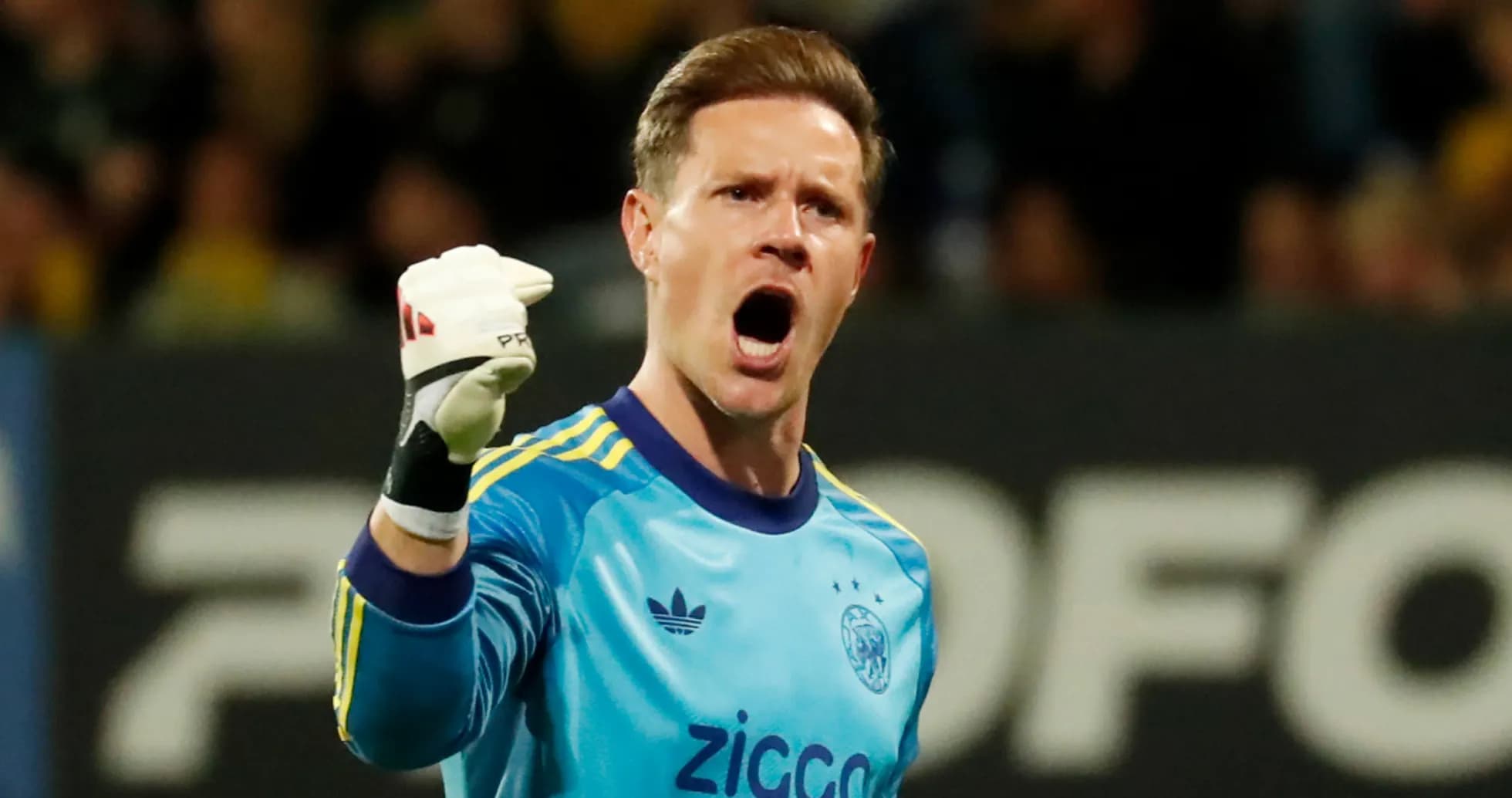
The long-running question over who guards Germany’s goal has finally been answered. Jürgen Klopp has stopped the debate with one clear call: Marc-André ter Stegen is his first-choice goalkeeper.
After years in the shadow of Manuel Neuer, after tournaments spent as the nearly man, the Barcelona keeper – currently sharpening his game on loan at Ajax – has been handed the shirt and the responsibility that comes with it.
Klopp didn’t dress it up. Asked if he now has a definitive No. 1, he replied: “Yes, for the moment, there is one, Marc-Andre ter Stegen.” No teasing, no open competition rhetoric. A decision, and a message.
Life After Neuer
This is not a routine rotation. It comes in the wake of Neuer’s decision to retire from international football, closing the book on one of the defining careers in Germany’s modern history. For over a decade, Neuer reshaped the position, captained his country, and turned the idea of a goalkeeper into something almost outfield.
Klopp knows the scale of what has gone. He also knows he cannot spend his tenure reminiscing.
“A team needs stability and a spine, and then you can add a lot of youth around that. I’ve known him for ages. Manuel Neuer was the best goalkeeper in the world for a long time,” Klopp explained, underlining both the respect for the past and the trust in the present.
Then he pivoted, firmly, to the man now in goal.
“Nevertheless, everyone knew that Ter Stegen was world-class too. He then suffered an injury at an unfortunate time. At the moment, he is fit and the same goalkeeper he was before. He brings experience with him. He is making a very good impression. Everything depends on performance.”
That last line matters. Ter Stegen has the gloves, but he will have to keep them.
A New Spine, Wrapped in Youth
Klopp’s choice of goalkeeper sits inside a broader shake-up. This is not a gentle refresh; it is a sweeping reset. For the upcoming international break, he has named a huge 44-man group, split into two separate squads, a clear indication that he wants to see as many options as possible in live action rather than on scouting reports.
The Nations League becomes his testing ground. Four fixtures, two squads, one overarching idea: establish a core, then surround it with energy and potential.
Ter Stegen is part of that core. Around him, Klopp is already experimenting.
The Next Men In Line
Behind the new No. 1, the hierarchy is being redrawn as well. Augsburg’s Finn Dahmen and Besiktas keeper Alexander Nübel have been called into the setup for the first two games, stepping into a space that for years felt closed off by Neuer’s dominance.
Dahmen, in particular, is a notable thread running through the selection. He is the only goalkeeper named in both of Klopp’s squads, linking the two groups and hinting at the trust the coach already places in him. Alongside him, Freiburg’s Noah Atubolu and Bayern Munich’s Jonas Urbig also get their chance to impress.
This is not a token gesture to youth. It is a live audition, conducted under the glare of competitive fixtures rather than friendlies.
Nations League as Trial by Fire
There will be no gentle easing into this new era. Germany face the Netherlands, Greece, Serbia, and then a reverse fixture against Greece in the UEFA Nations League. Four games, each with a different kind of examination.
The Dutch bring history and hostility. Serbia bring bite. Greece, twice, offer a tactical puzzle and a chance to measure consistency.
For Klopp, the schedule is perfect. It allows him to flip between his dual squads, test combinations, and see which young players can genuinely orbit around the experienced spine he keeps referencing.
For Ter Stegen, it is something else entirely: a stage he has waited years to own. No more waiting for Neuer’s fitness updates. No more tournaments as the backup. Just the shirt, the responsibility, and the expectation that comes with leading a new cycle.
Klopp has made his call. Now the question is simple: can Ter Stegen turn this long-awaited promotion into the defining chapter of his international career, and can Germany’s new-look goalkeeping hierarchy carry them into a new era with the same authority the last one had?