Kawhi Leonard Agrees to Two-Year Extension with Raptors
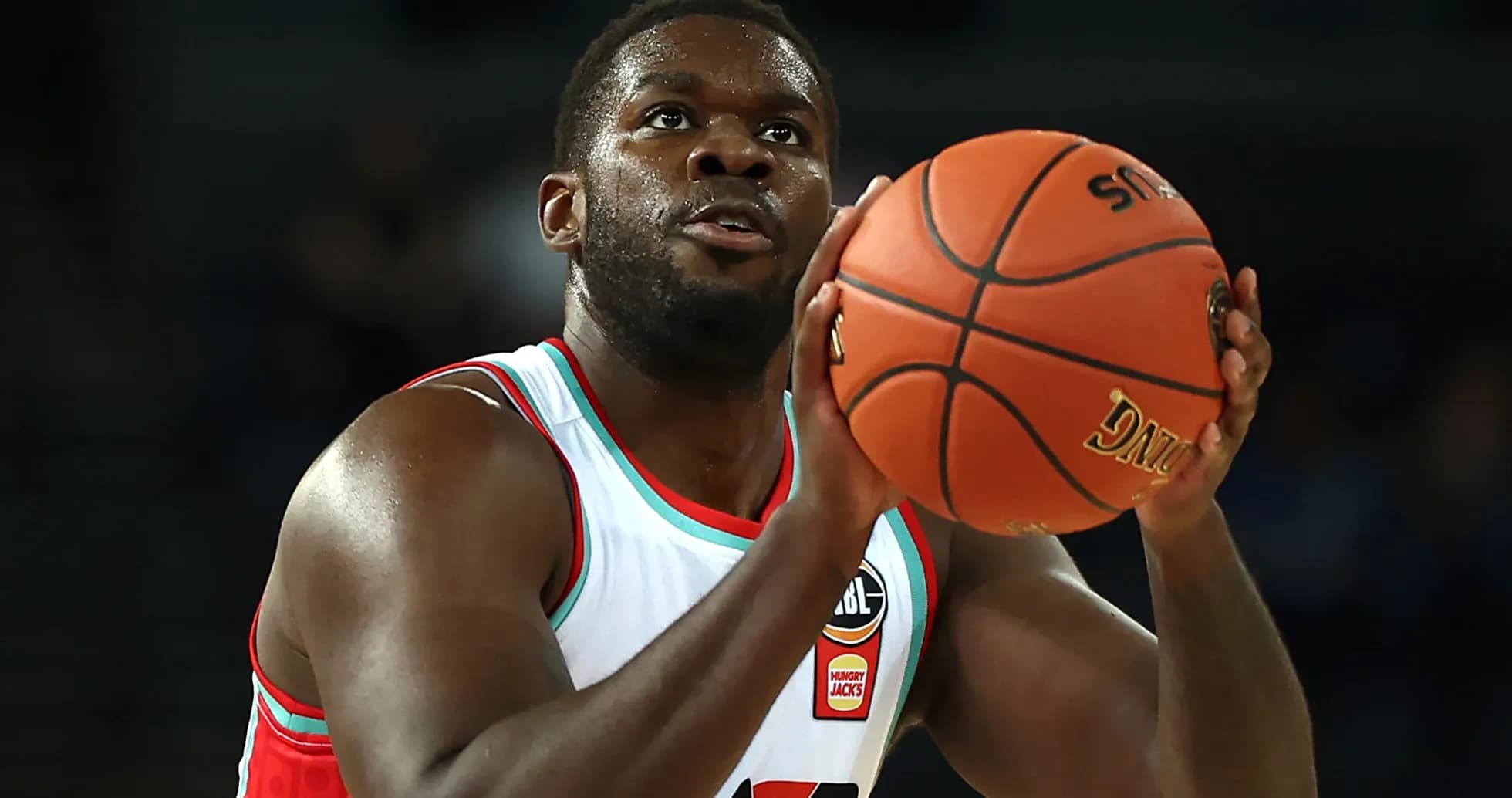
Kawhi Leonard spent most of the summer in limbo, waiting for the NBA to decide whether he could even suit up for the team that had just traded for him. Now, after months of uncertainty, Toronto has done more than just welcome him back.
They’ve tied their future to him.
Leonard has agreed to a two-year, $115 million contract extension with the Raptors, a deal that includes a player option for the 2028-29 season, according to a person with knowledge of the agreement who was not authorized to speak publicly. The extension effectively ends any short-term drama about his destination. He’s not going anywhere else.
It’s a full-circle twist. The last time Leonard wore a Raptors jersey, he delivered the franchise’s first championship and left a month later. This time, Toronto is betting big that the reunion lasts longer.
A blockbuster trade, then a hard stop
The extension lands just eight days after the Raptors finally completed their trade for the 35-year-old star, a deal first agreed to on June 30 and then frozen in place for more than two months.
Toronto’s front office thought they had pulled off a bold move: send Brandon Ingram, Gradey Dick, unprotected first-round picks in 2031 and 2033, a 2027 pick swap and second-rounders in 2030 and 2033 to the Los Angeles Clippers in exchange for Leonard. A massive haul going out. A proven, playoff-hardened superstar coming in.
Then came July 9.
With an active league investigation swirling around the Clippers and Leonard’s financial arrangements, the Raptors hit pause. The question hung over everything: would Leonard be suspended? Toronto went silent publicly and stayed that way for the rest of the summer, waiting for the NBA to finish its work before fully committing to the trade — and to Leonard.
The report that shook the Clippers
The investigation traced back to a story published in September 2025. Reporter Pablo Torre revealed that Leonard held a $28 million endorsement deal with Aspiration, a climate-focused financial company, that demanded almost nothing from him in return.
Former employees told Torre the quiet part out loud: they believed the deal functioned as a way around the salary cap. The money trail pointed toward investors linked to Clippers owner Steve Ballmer, who had put funds into Aspiration.
That report triggered league scrutiny. The question was simple but explosive: had the Clippers engineered off-court money to supplement Leonard’s on-court salary in violation of NBA rules?
The answer, when it arrived, was damning.
What the NBA uncovered
On Sept. 2, the NBA released its findings. Investigators said they had uncovered a “pattern of misconduct and multiple significant rules violations.”
The Clippers, according to the league, had lined up endorsement deals for Leonard with four different companies, pressured those companies to sign him by dangling team business, and picked up personal expenses for the star forward. It was the kind of behind-the-curtain behavior the league has long warned teams against.
The punishment hit hard.
Los Angeles forfeited five first-round picks from 2029 through 2033 and absorbed a $30 million fine. Ballmer was suspended for a year. Gillian Zucker, the team’s president of business operations, received a one-year unpaid suspension. Lawrence Frank, president of basketball operations, was suspended without pay for six months. Leonard’s uncle and business manager, Dennis Robertson, was banned from dealing with NBA teams for five years.
Leonard himself was fined $700,000. Crucially for Toronto, he was not suspended.
In a statement, Leonard said he accepted “full responsibility for lapses in judgement by people within my inner circle” and insisted he had signed both his Clippers contract and the endorsement deals in good faith.
The Raptors had their answer. Their trade would stand, and Leonard would be available from Day 1.
Toronto’s gamble on the present
Toronto enters this new era from a position of solid, if unspectacular, stability. The Raptors went 46-36 last season and pushed Cleveland to seven games before bowing out in the first round. Respectable. Competitive. Not threatening.
Leonard changes that equation overnight.
He’s coming off his healthiest and most dominant campaign in years: 65 games played, up from 37 the season before, with averages of 27.9 points and 1.9 steals per game and a spot on the All-NBA second team. The Raptors aren’t paying for nostalgia. They’re paying for a top-tier two-way force who just proved he can still carry a heavy load.
To make the trade work under the cap, Leonard waived his full 15% trade kicker — a significant concession for a player of his stature. He’ll earn $50.3 million this season in the final year of his existing deal, with the new extension kicking in after that.
Toronto, which once watched him walk away in free agency days after a title parade, has now pushed a pile of chips back to the middle of the table. Draft capital. Young talent. Cap space. All for another run with the same superstar who once turned the city into the center of the basketball world.
This time, the commitment runs both ways, at least on paper.
Leonard’s player option for 2028-29 gives him flexibility, but the two-year extension signals a willingness to anchor his late-prime years in Canada. For a franchise that has spent the past few seasons hovering between retool and reset, that clarity matters.
The first stint ended with a trophy and a goodbye. The second begins under the shadow of an unprecedented investigation and a league-wide cautionary tale.
Now the question is no longer whether Kawhi Leonard will be allowed to play in Toronto.
It’s how far he can take the Raptors now that he’s back.