José Mourinho Returns to Referee Blame After Derby Loss
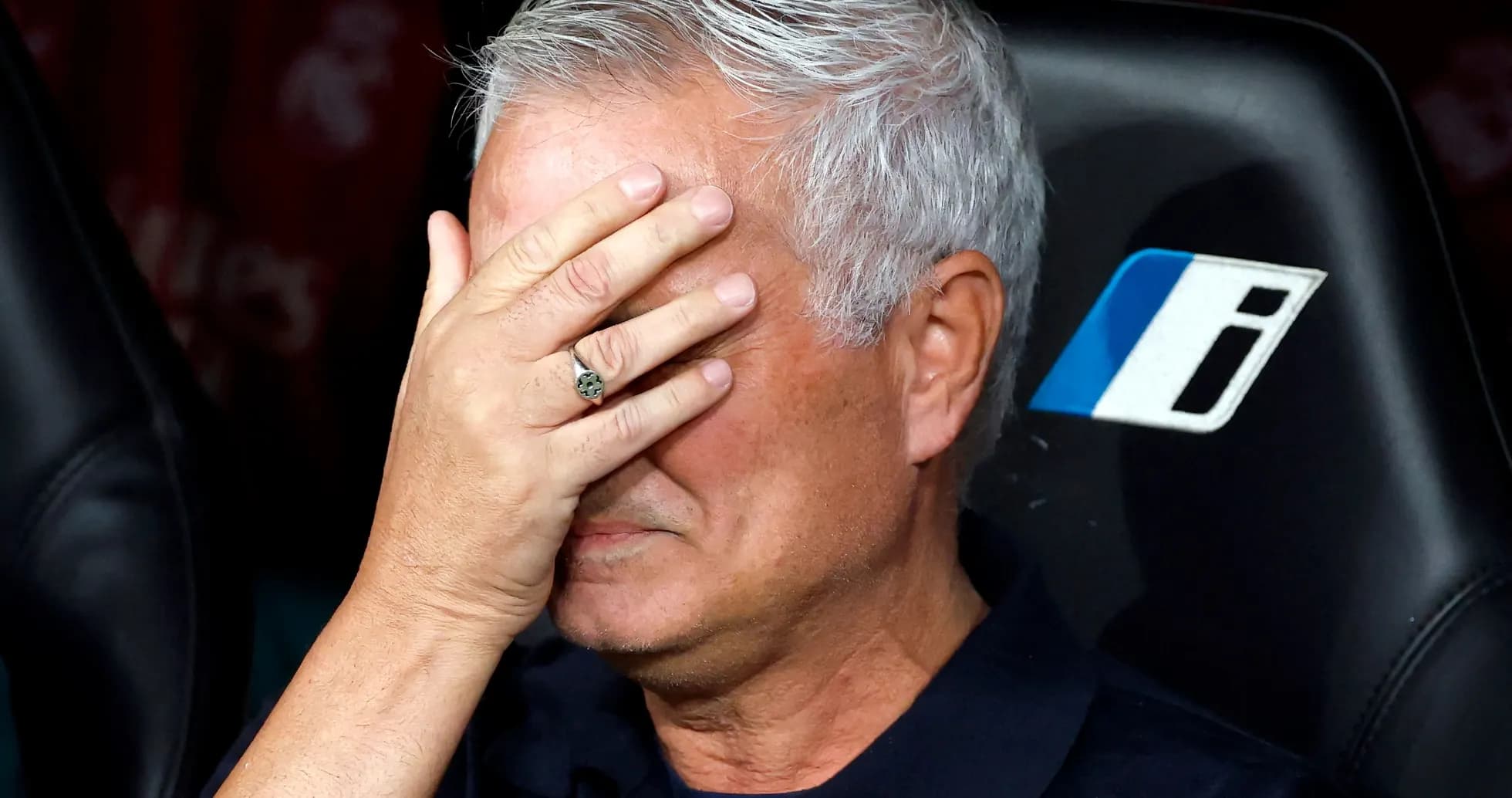
José Mourinho has never needed long to find a familiar enemy. After Real Madrid’s derby defeat to Atlético, he went straight back to one of his oldest targets: the referee.
Miguel Ángel Ortiz Arias, the man in the middle at the Metropolitano, became the central character in Mourinho’s post-match debrief. The Portuguese coach laid the defeat at his door, raging against several decisions he felt bent the flow of the game and, in his view, the result itself. It was a script that Spain had heard before.
On Cope’s “Tiempo de Juego”, Paco González didn’t let it pass. The veteran broadcaster recognised some of the complaints about Ortiz Arias’s performance – there were first-half incidents that, he admitted, could have brought cards – but he bristled at the broader tone.
“Mourinho has reappeared,” González said, as if describing a ghost from La Liga’s recent past. “I don't know how many years have passed since then. The blame for the defeat falls on the referee.”
That was the point. Not whether a yellow should have been shown here or there, but that the old Mourinho – the one who weaponised refereeing discourse during his first spell in Madrid – felt very much back in the room.
The Real coach didn’t just question what Ortiz Arias did with the whistle. He went a step further and expressed surprise that he had been appointed to such a high-voltage derby at all. That line drew a sharp, almost theatrical response from González.
“I don't know if they've hired a scriptwriter for Real Madrid TV,” he said, mocking the idea that the referee’s very presence was part of a larger plot against the club.
From there, González widened the target. For him, this isn’t only about a coach complaining after a defeat; it’s about what Real Madrid chose when they brought Mourinho back.
The club, he argued, “needed a modern coach, but hired a coach from 15 years ago.” In other words, while European football has evolved tactically and culturally, Madrid have turned again to a figure whose methods and discourse are rooted in a different era.
Keep obsessing over the referee, González warned, and the real questions get lost: the team’s level, the structural issues, the tactical gaps that allowed Atlético to take control of a derby that Madrid expect to dominate, or at least match, on big occasions.
This was only Real Madrid’s second La Liga defeat in the opening seven rounds, but it lands heavily. The early-season table still leaves room for recovery; the noise around Mourinho leaves far less room for error.
After weeks of relative calm, measured appearances, and a toned-down version of his usual theatrics, the old contours of the Mourinho show are visible again – conflict with referees, a siege narrative, and a public debate dragged away from the pitch and back into the corridors of power.
Madrid wanted edge when they chose him. They’ve got it. The question now is whether that edge sharpens the team, or cuts into them as the season wears on.