JJ Gabriel's Move to Barcelona: Manchester United's Battle to Keep Him
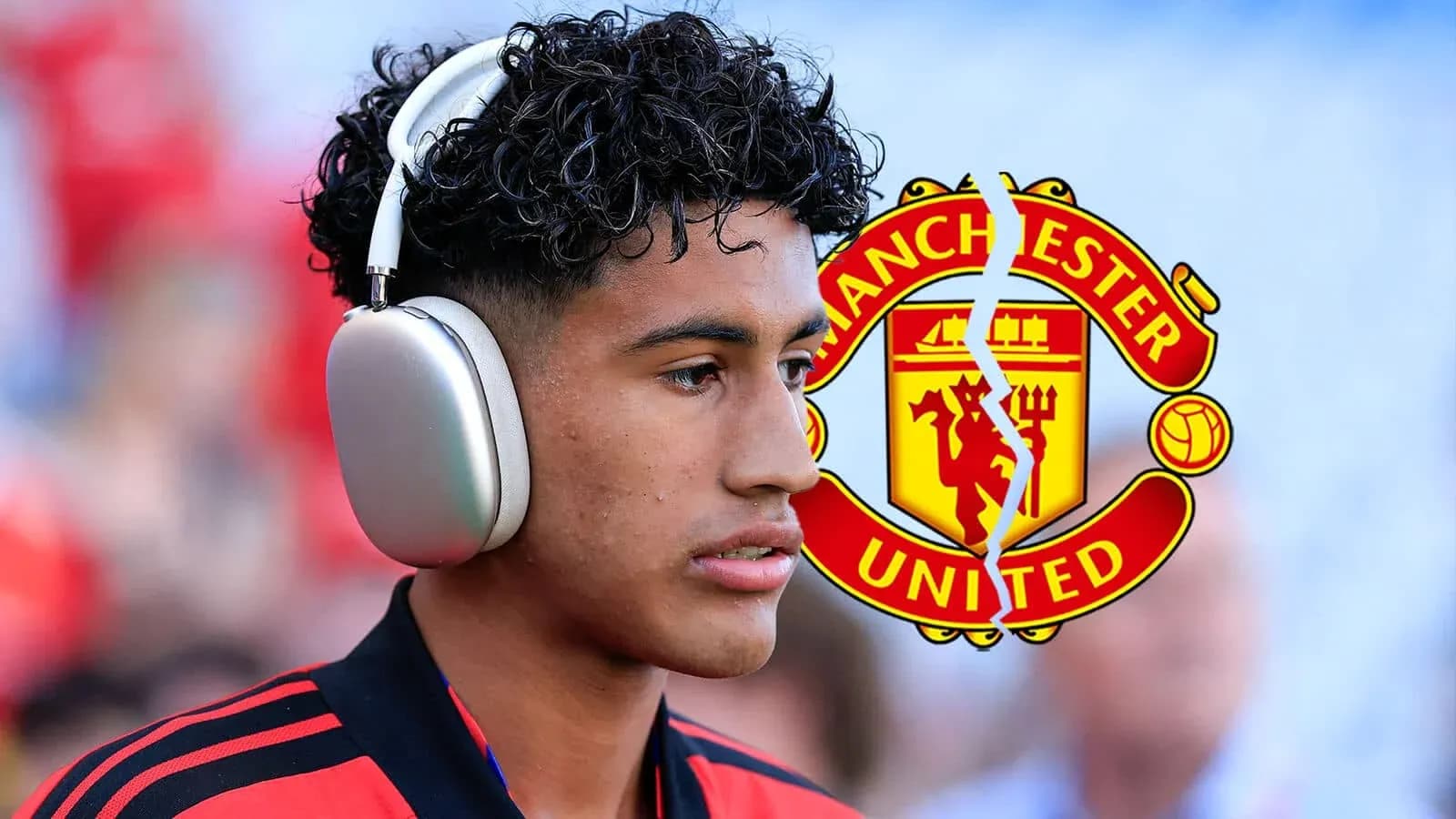
Manchester United’s fight to keep JJ Gabriel is slipping away, and the clearest sign yet is not a document or a statement. It’s his location.
On Wednesday afternoon, the 15-year-old was in Barcelona, sitting down for talks with the Spanish champions over a move to the Nou Camp. For a player United insist remains tied to their academy until 2027, that is a loud, unmistakable message.
A contract on paper, a player already halfway out the door
United’s stance is firm. The club, according to multiple reports, have no intention of cancelling Gabriel’s academy registration, which officially runs until the end of the 2026/27 season. They are within their rights to reject his formal request to be de-registered, and they plan to do exactly that.
But Gabriel is pushing just as hard in the opposite direction.
On September 15, it emerged that the attacking midfielder had formally informed United he wants to leave. The teenager has sent a notice asking for his registration to be cancelled with immediate effect, a move designed to make him a free agent just weeks before his 16th birthday on October 6.
United, backed by co-owner Sir Jim Ratcliffe’s direct involvement, had hoped to change his mind. Transfer specialist Fabrizio Romano has reported that the club were planning talks with the youngster in an effort to convince him to stay. The club hierarchy viewed him as a long-term project worth fighting for.
Gabriel’s actions suggest that conversation may already be over.
Barcelona talks turn up the heat
The situation escalated on Wednesday afternoon. At 3:19pm, Manchester Evening News Chief Manchester United Correspondent Tyrone Marshall posted on X that Gabriel was in Barcelona “for talks over a move to the Nou Camp”, adding that United will reject his request to be de-registered but that the threat of a move on October 6, subject to FIFA approval, “remains”.
Less than half an hour later, Marshall followed up, stating that Gabriel was “closer to [a] Manchester United exit despite [the] club rejecting his request to be de-registered”, confirming he was in Spain and holding talks with Barcelona. Reports there, he noted, suggest Gabriel will secure the EU passport he needs next week.
Marca, the Real Madrid-leaning Spanish outlet, has also reported Gabriel’s presence in Barcelona, and journalist Ben Jacobs backed that up on X, writing that Gabriel is in the city for talks, with Barcelona and Real Madrid seen as the leading contenders should he move abroad.
The geography matters. This isn’t distant interest or theoretical planning. One of United’s brightest teenage talents is physically in the offices of a European superclub, while his current employers insist his registration is locked in for another three years.
The October 6 flashpoint
The date looming over all of this is October 6. Gabriel turns 16 that day, and with that birthday comes a significant shift in the legal and regulatory landscape.
Graeme Bailey reported earlier that once Gabriel turns 16, he will be eligible to explore a move to an EU club such as Real Madrid or Barcelona. In England, the picture is far more tangled: academy registrations, safeguarding rules and domestic regulations give clubs like United substantial protection over their youth assets.
The Irish passport in Gabriel’s possession changes the equation. It opens the door to an EU move that would be far harder to execute for many of his English-based peers. If he secures the additional EU documentation reported in Spain, that path becomes even smoother.
United can challenge his attempt to cancel his registration. They can refuse to de-register him. But if Gabriel is determined to leave and a club like Barcelona is willing to navigate the FIFA and cross-border regulations, the story becomes less about paperwork and more about leverage.
Madrid in the background, Barcelona in the room
This tug-of-war has been building for weeks. On August 13, Bailey revealed that United had growing concerns about their ability to keep Gabriel, with Chelsea, Real Madrid and Barcelona all monitoring the situation.
By mid-September, those clubs had moved from watching briefs to active talks. Bailey reported that both Real Madrid and Barcelona had held positive discussions with Gabriel’s camp. Now, Barcelona have taken the next step by bringing him to the city.
Madrid remain in the frame, viewed alongside Barça as the most viable destinations if Gabriel chooses to go abroad. For a 15-year-old academy player, that is rarefied company, and it underlines why United are so reluctant to let him walk away without a fight.
United’s academy challenge
For United, this saga cuts deeper than a single player. The club has long prided itself on its academy pathway, on the idea that Carrington is a place where a teenager can see a clear line from youth football to the first team.
Gabriel’s determination to leave, even with Sir Jim Ratcliffe personally involved in trying to keep him, raises uncomfortable questions. How do you convince the next generation to buy into the project when one of your most highly regarded prospects is flying to Barcelona while still officially under contract?
United can dig in and rely on regulations. They can reject his request, escalate the issue, and seek to protect their rights in any eventual move. But Gabriel has already shown he is prepared to push the boundaries of that framework.
He turns 16 in less than a month. Barcelona are at the table. Real Madrid are waiting in the wings. United, for all their insistence on the strength of his registration, now face a different kind of test: can they persuade a player with Europe’s giants on the line that his future is still in Manchester?
The answer to that may shape not just Gabriel’s career, but the message United send to every ambitious teenager watching this unfold.