Isak's Easy Decision: From Newcastle to Liverpool
Alexander Isak does not dress it up. Leaving Newcastle United, walking away from a club where he had become a talisman, was, in his words, an “easy decision.”
The reality of his first year at Liverpool has been anything but.
The Sweden striker arrived at Anfield in September 2025 as the most expensive signing in British football history, a £125m statement that Liverpool intended to reshape their forward line around him. The fee screamed expectation. His body, cruelly, had other ideas.
A broken leg wiped out four crucial months between December and April, shredding any chance of rhythm. He finished his first Premier League campaign in red with just three goals, a stark contrast to the numbers that had persuaded Liverpool to break the bank in the first place.
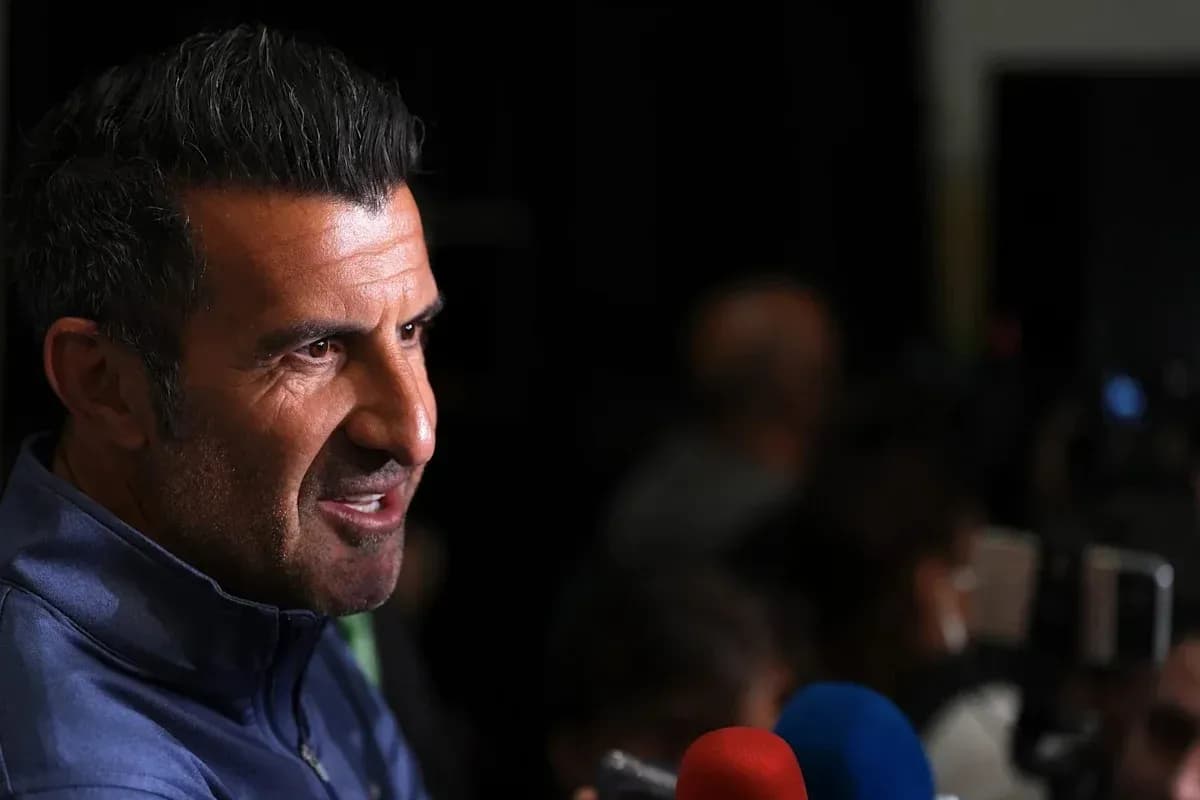
Yet when Isak sat down with BBC Sport’s The Football Interview, there was no hint of doubt about the move.
“[Liverpool] is a massive club, and everything about the club made it pretty clear,” he said, outlining a choice that, for him, never really felt like a gamble. The scale of the institution, the promise of trophies, the sheer persistence of Liverpool’s pursuit – it all told him exactly how much they wanted him.
That conviction matters now more than ever.
From Newcastle certainty to Anfield questions
Liverpool did not spend £125m on a hunch. They bought the finished article, or as close as the Premier League market allows.
Isak arrived on Merseyside with a Newcastle record that demanded attention: 62 goals in 109 appearances after joining from Real Sociedad in 2022, a return Liverpool themselves highlighted when announcing the deal. Over three seasons he had proved, emphatically, that he could bully, outpace and out-think English defences.
Those numbers explain why Liverpool were willing to stretch to a British record fee. They also underline the scale of the hole he left behind at St James’ Park. You do not simply “replace” 62 goals and the presence that produced them by signing another name for the teamsheet. Newcastle lost a focal point, not just a finisher.
For Liverpool, the logic was simple: take a striker already conditioned to the league, drop him into a side built to create chances, and let the goals flow.
Football rarely follows the brochure.
The move still demanded all the usual adjustments – new teammates, new patterns, new instructions under Andoni Iraola – and Isak had to manage those while recovering from a serious injury and the weight of a record fee. The price tag inflates every touch, every miss, every quiet afternoon into a talking point. It does not shorten the time needed to settle.
A glimpse of the plan at Ipswich
Then came Ipswich Town away on 4 September. A night that finally looked like the trailer Liverpool thought they were buying.
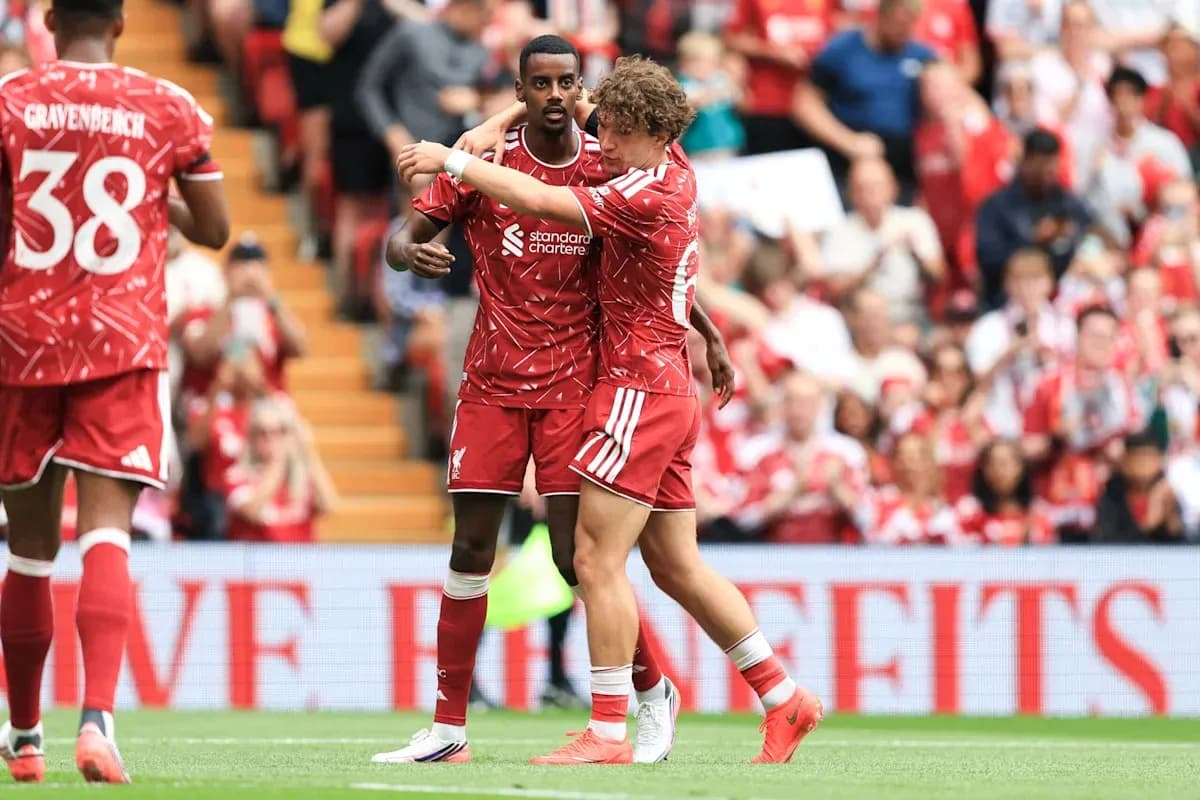
Within nine minutes, Isak had scored twice in a 2-0 win. Two sharp finishes, two deliveries from Cody Gakpo, and Iraola’s first victory as head coach was effectively sealed before Ipswich had time to breathe. Liverpool’s official report captured the bare facts; the performance filled in the colour.
The goals did more than pad a highlight reel. They gave Liverpool instant control of the game, tore up Ipswich’s script and turned a potentially awkward evening into a controlled exercise in game management.
Just as important was the pattern: Gakpo creating, Isak finishing. That link offered a glimpse of an attacking partnership with real edge. The Dutchman found the spaces; the Swede punished them. This is what Liverpool thought they were buying – a ruthless final act to complement the work of their creators.
One game does not rewrite a season. It does, though, give everyone something solid to hold onto: the coaching staff, who can see tactical ideas bearing fruit; the player, who can feel the old instincts returning; and the supporters, who can finally picture how this expensive experiment might pay off.
The challenge now is not to repeat Ipswich once, but to echo it across months. Across different opponents. Across the kind of grim, attritional stretches that define a campaign.
Decision made. Verdict pending.
Isak is clear on why he came. The question is how he will be remembered.
His Liverpool career will not be judged on interviews or transfer fees, but on availability, goals and his influence on the team’s attacking identity. The £125m figure will always sit in the background, dragged out whenever he endures a lean run or explodes into form, but it cannot sensibly act as a weekly scorecard.
What Liverpool bought was the player who terrorised defences for Newcastle, the striker whose 62 goals set a standard that still frames every discussion about him. What they briefly saw at Ipswich was that same player in different colours, operating in a new structure but with the same ruthless edge.
The task now is to join those two points – the certainty of his Newcastle record and the promise of his early flashes at Anfield – into a continuous line.
If Isak can stay fit and turn those glimpses into a habit, the conversation will shift away from the size of the cheque and back to the simplicity of his own reasoning: a massive club, a clear ambition, and a striker determined to prove that an “easy decision” can still be the right one when the pressure is at its fiercest.