Gunn's Olympic Journey: Napalan's Coaching Struggles
Australian Breaking Association president Lowe Napalan has admitted he could not properly coach Olympic breaker Rachael Gunn in the crucial build-up to Paris because he was swamped by administrative duties tied to Australia’s campaign.
Napalan, who doubled as national coach, said his role behind the scenes left him largely absent from Gunn’s day‑to‑day preparation, the Daily Mail reported.
“I was doing a lot more administrative work. In terms of Raygun’s training specifically, I was only there assisting a handful of times,” he said, estimating he attended fewer than 10 sessions.
Those numbers matter. Gunn arrived at the Games as one of the most talked‑about breakers in the field, yet her own head coach was rarely on the floor with her. Napalan also revealed he had minimal contact with her in the final months before the Olympics and did not see her full routine until shortly before she stepped out to compete.
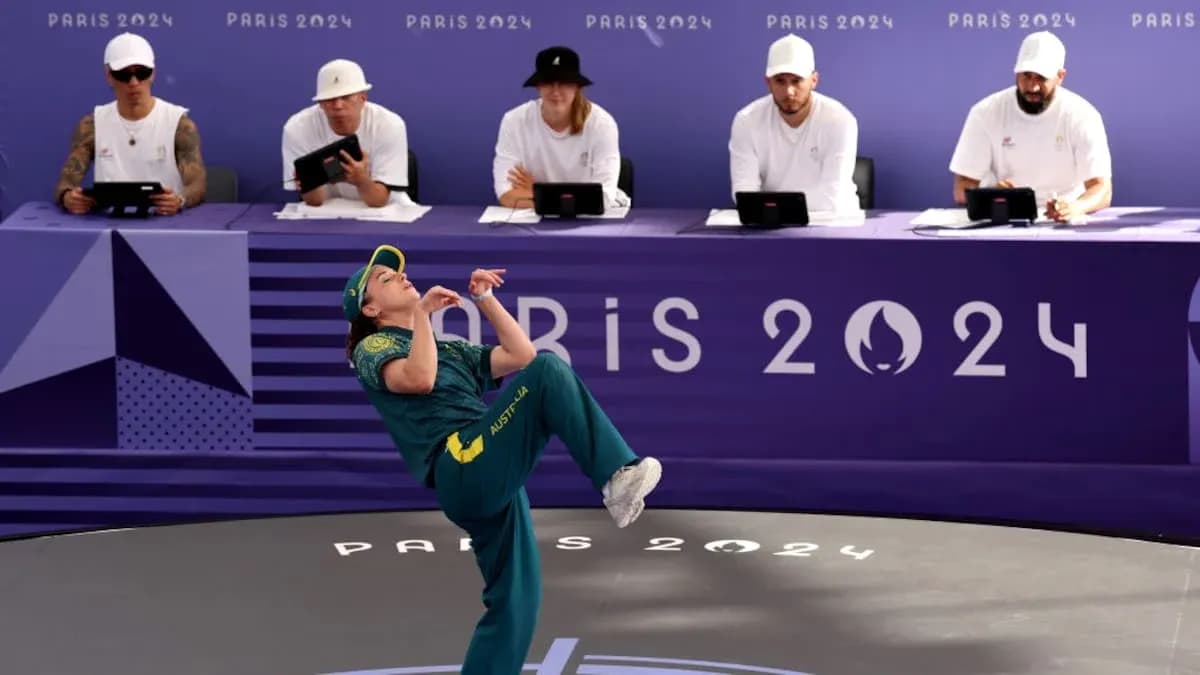
When he finally watched it from the side of the stage, he says the routine caught him off guard. In the documentary, Napalan recalls struggling to hide his reaction as Gunn performed under the Olympic spotlight.
While Napalan juggled paperwork and planning, much of Gunn’s training fell to her husband, fellow breaker Samuel Free. The pair built the campaign largely on their own terms, away from the traditional high‑performance structure that surrounds most Olympic athletes.
Once the Games ended, the couple found themselves in the eye of a storm. Online critics questioned their credentials, dissected Gunn’s performance and pushed conspiracy theories that they had somehow manipulated the qualification process, according to the Daily Mail. In the documentary, both Gunn and Free strongly deny any wrongdoing and reject claims they gamed the system.
Gunn, for her part, is blunt about where she stood in the global pecking order. She says she knew before Paris that she did not have the technical arsenal to seriously threaten the world’s elite breakers. The gap was real, and she felt it.
Even so, walking away never truly entered the conversation.
“I don’t like to have regrets and I think that I knew deep down if I walked away, I would have regretted it more,” she said.
She took the stage anyway, knowing the risks, knowing the scrutiny that would follow if things went wrong. The backlash came, fierce and sustained, but it has not pushed her out of the scene.
Despite the criticism, Gunn insists she is staying in the culture that brought her to the Olympics in the first place. She remains committed to breakdancing and intends to keep competing — determined, this time, to write the next chapter on her own terms.