Fighting Back: From Courts to Waves in Episode 25 of ALL CAPS
Some battles are decided by a punch, a tackle, a last‑minute goal. Others play out under fluorescent lights in courtrooms, in the comment threads of social media, or on a wave breaking just off a California beach.
Episode 25 of ALL CAPS, ynet Global’s weekly current affairs show, stitched all of those arenas together. Across an hour, the panel moved from the U.S. Senate to Colombia, from Hollywood to a kickboxing ring and, finally, to a single‑armed surfer chasing a world medal. The common thread was not politics or law. It was people who refuse to back away from a fight.
A Senate hearing, an empty side of the room
The show opened in Washington, where Sen. Ted Cruz chaired a U.S. Senate hearing on the Muslim Brotherhood’s alleged network of influence in the United States. One side of the story was the subject matter: the reach of an Islamist movement long viewed with suspicion in Western capitals. The other was the empty chairs.
Democratic senators chose not to participate. That boycott became the panel’s starting point. They asked whether the increasingly tribal nature of Western politics is making governments less willing to confront extremist movements if doing so risks aligning them with their domestic opponents.
The question hung in the air: if one half of the political map refuses to even enter the room, what does that mean for any serious attempt to tackle radical networks?
Colombia flips the script
From Capitol Hill, the cameras shifted south.
Colombia’s sharp turn in its relationship with Israel under new leadership has become a case study in how quickly foreign policy can be rewritten. The panel weighed what this new posture could mean for Israel’s standing in Latin America and whether similar political changes across the region might trigger a wider realignment toward – or away from – Israel and the West.
Colombia, they argued, is a reminder of something diplomats know but publics often forget: nothing in international relations is permanent. Governments fall, coalitions shift, and countries that once seemed to be drifting away can just as easily pivot back.
In this reading, Bogotá is not an outlier. It is a warning label.
Hollywood, Barghouti and the battle over memory
Then the spotlight swung to Los Angeles.
A group of actors has launched a campaign demanding the release of imprisoned Palestinian leader Marwan Barghouti. Supporters cast him as a Palestinian Nelson Mandela. The panel bristled at the comparison.
They pointed instead to Barghouti’s convictions in Israel for involvement in attacks that killed civilians. For the show’s commentators, the attempt to reframe him as a symbol of nonviolent resistance is not just a political move but part of a broader struggle over language and historical memory, one where celebrity endorsements can bend the narrative regardless of the record.
“Read the indictment, read the verdict, see who you're dealing with,” host Nitsana Darshan-Leitner said, arguing that presenting Barghouti as a Mandela‑like figure amounted to “whitewash[ing] terrorism with stardust.”
In an age when a hashtag can rewrite reputations, the panel cast this as one more front in a long war over how the conflict is remembered.
Nili Block: a champion who refuses to shrink
Then the show left politics for something far more personal.
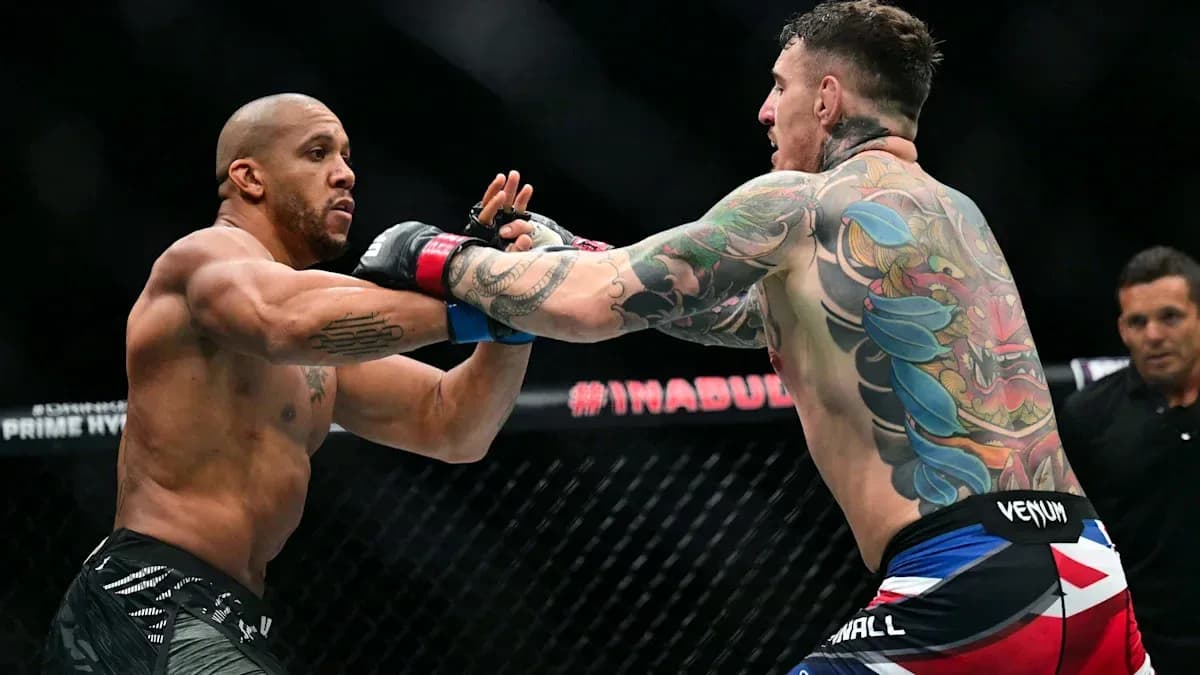
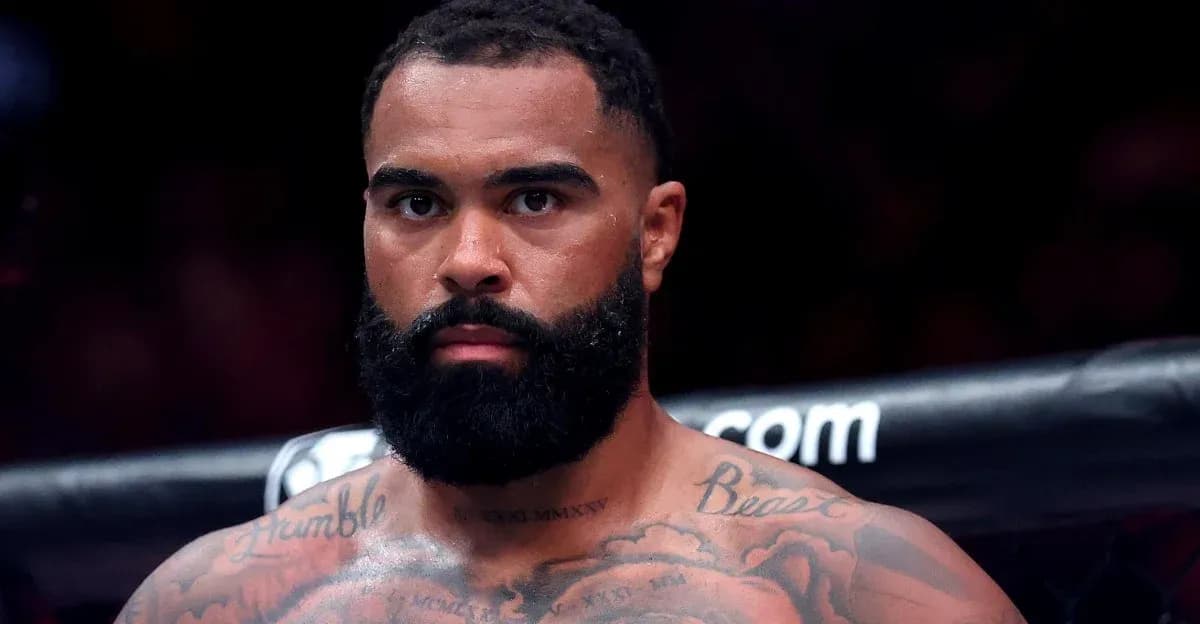
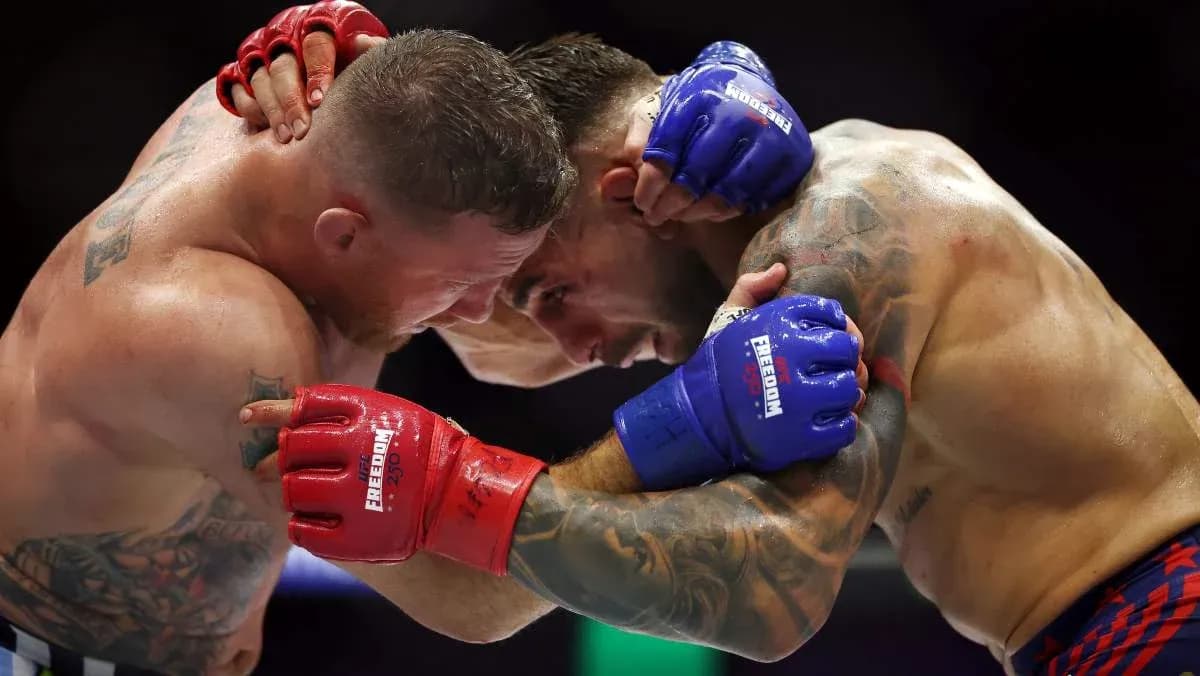
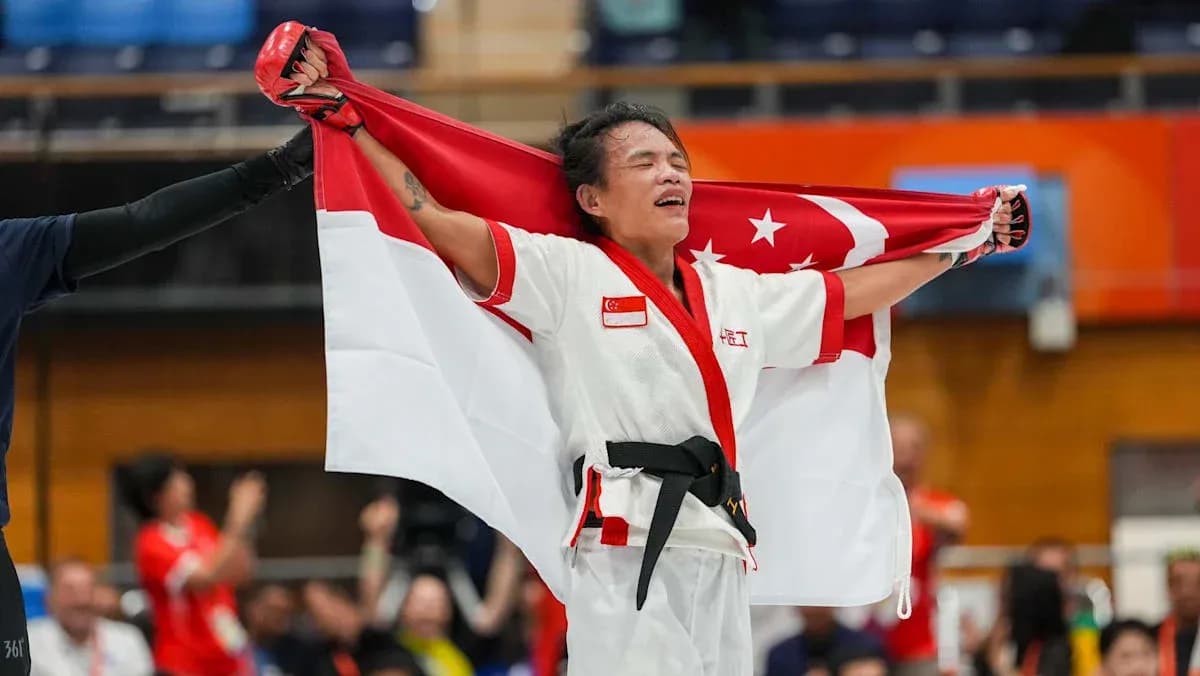
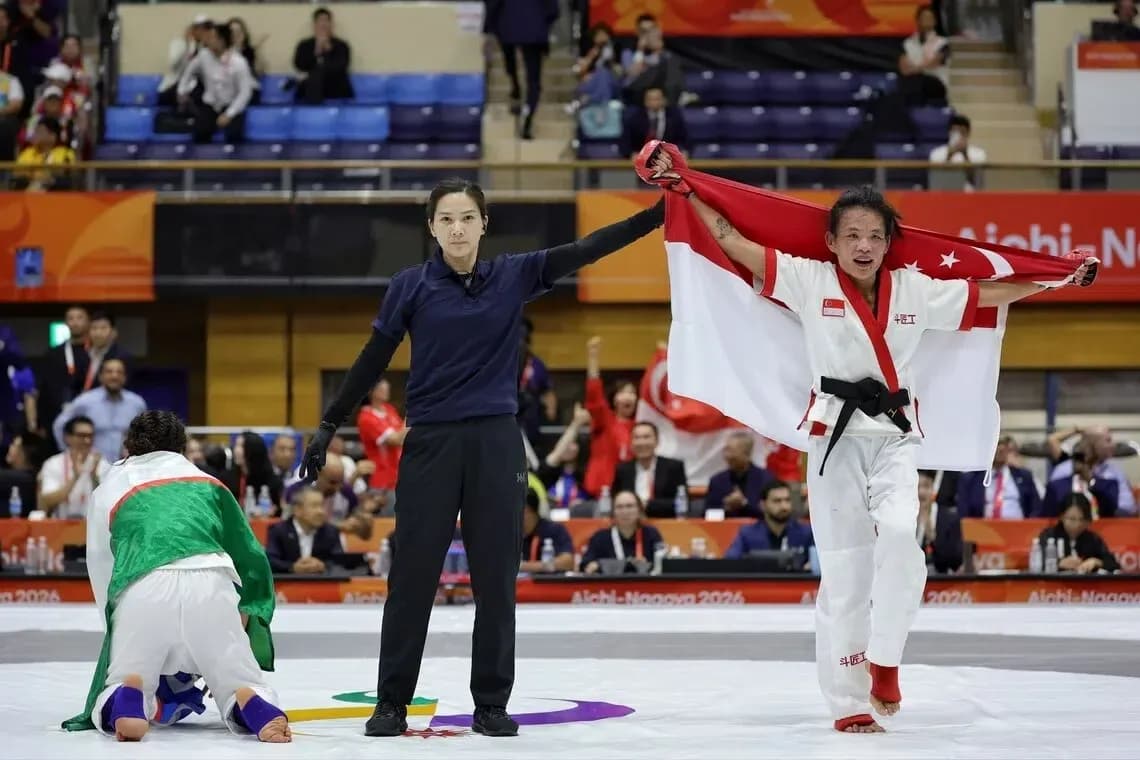
Nili Block, world champion in kickboxing and Muay Thai, joined the panel. She has spent years walking into arenas around the world with the Israeli flag on her back. Her story did not start with medals. It started in a gym at age 10.
Even as a child, she knew she wanted to be a professional athlete. World titles? That felt distant, almost abstract. They came anyway. More than once.
Block’s journey has never just been about belts and podiums. She talked about carving out space as a woman in a sport still instinctively linked with men, about opponents and observers who underestimated her, about learning to turn every slight into fuel.
When people dismissed her, she did not argue. She trained.
“You say I can't do it, I'm going to prove you wrong,” she said, distilling a career into one line.
That defiance did not stay in the ring. Representing Israel has taken on a different edge in recent years, as athletes have found themselves walking into venues shadowed by anti-Israel protests and open hostility. Block recalled French Jews approaching her simply to say thank you for standing, unapologetically, as an Israeli in public.
“They were scared,” she said. Her presence, flag and all, became something else: a signal that they were not alone. “Me coming out there and just standing strong, I think it gave them a lot of hope.”
The titles matter. Of course they do. But Block made clear they have not changed how she sees herself. Being a champion, she told the panel, is no excuse to stop learning, grinding or treating people with respect. The belt is not the finish line. It is the starting gun for the next round.
A new battlefield for IDF soldiers
From one kind of fight, the show moved to another.
Since October 7, Israeli soldiers and reservists traveling abroad have found themselves facing a new kind of threat: legal complaints, investigations and attempts to detain them under universal‑jurisdiction laws.
The program spotlighted organizations that scour social media to track Israeli soldiers, map their movements and then push for legal action in foreign courts. In response, Shurat HaDin has launched Shakpatz – described on air as a “legal flak jacket” for Israeli servicemen and women.
The idea is blunt and practical. Before reservists and veterans board a plane, Shakpatz offers them country‑specific guidance, legal alerts and clear instructions on what to do if they are stopped, questioned or threatened with arrest. Behind that advice sits a network of lawyers ready to step in when an Israeli finds themselves in a police station instead of a hotel lobby.
The metaphor is deliberate. Soldiers wore body armor in uniform. Now, the show argued, they may need legal armor in civilian clothes.
“You protected us. Now we are protecting you,” the segment declared. It captured a harsh new reality: for many Israelis, leaving the battlefield no longer guarantees that the battle has left them.
From Jabalia to the waves
The final story belonged to a man who refused to let a battlefield define him.
Tamir Dudi, 26, was seriously wounded while fighting in Jabalia. Seventeen surgeries followed. He lost his right arm.
For most people, that would be the headline of a life. The moment that everything else orbits around.
Dudi wrote a different script. He went back to surfing.
Today, the IDF officer is training for the World Adaptive Surfing Championship in California. His ambition is not wrapped in clichés. It is simple and sharp: he wants to stand on the podium and win a medal.
The panel watched footage of him in the water, balancing, paddling, driving a board with one arm in a sport that punishes even the smallest technical flaw. Their reaction said enough. This was not a feel‑good clip. It was a demonstration of will.
It also gave the episode its unofficial title. The panel called it an “episode of champions” – and not just because Block has belts and Dudi is chasing a world medal.
Across the hour, the show kept returning to the same question: what do you do when the fight changes shape?
For Nili Block, the answer is to keep swinging, whether the opponent is in the opposite corner or in the stands. For IDF reservists, it means accepting that the risk now may come not from rockets but from arrest warrants. For Tamir Dudi, it meant walking back into the water, one arm down, eyes fixed on a world championship podium.
His answer was not a speech or a slogan. It was a decision: get back on the board.