The Evolution of MMA: From Shadows to Social Media
The modern fight game doesn’t end when the final horn sounds. It spills straight onto phones, timelines, and feeds, where every jab and takedown gets replayed in real time through the people who lived it.
Long before MMA hit sold‑out arenas and prime-time slots, the sport grew up in the shadows of message boards and niche websites. Hardcore fans traded grainy clips and argued over rankings on forums that felt more like underground clubs than public spaces. That digital backbone never went away. It just evolved.
Now the conversation lives on X, Facebook, Instagram and every platform where fighters can speak for themselves. No filter. No press conference delay. Just raw emotion, minutes after the walk back to the locker room.
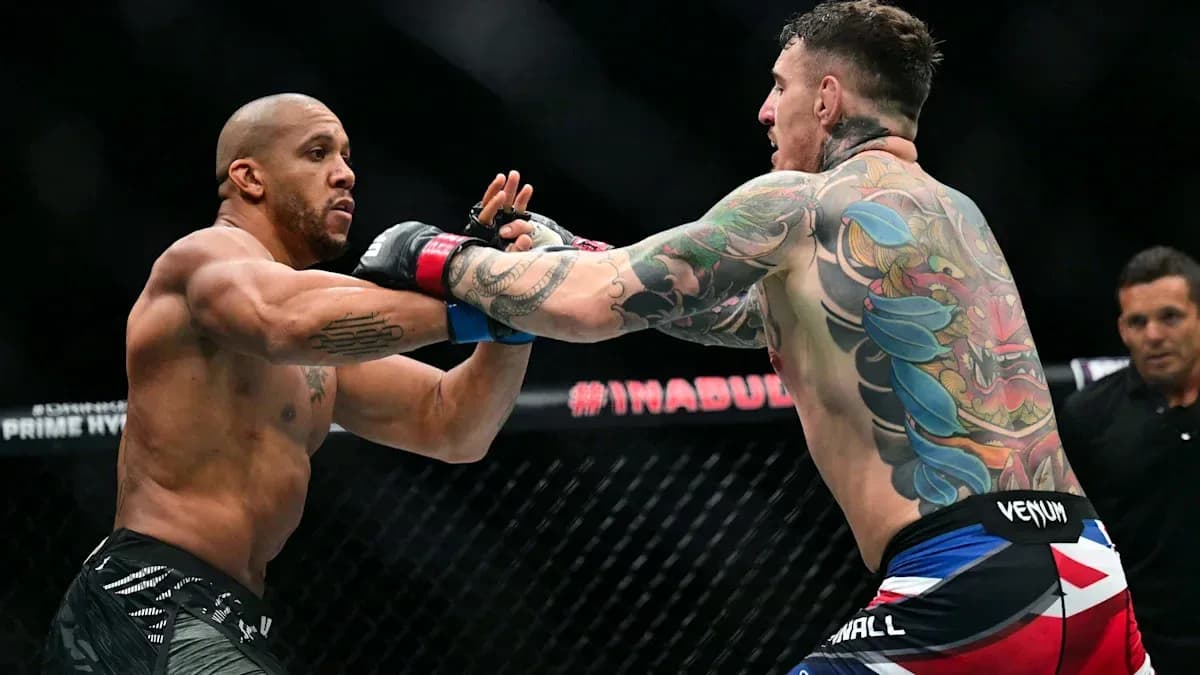
UFC Fight Night 287
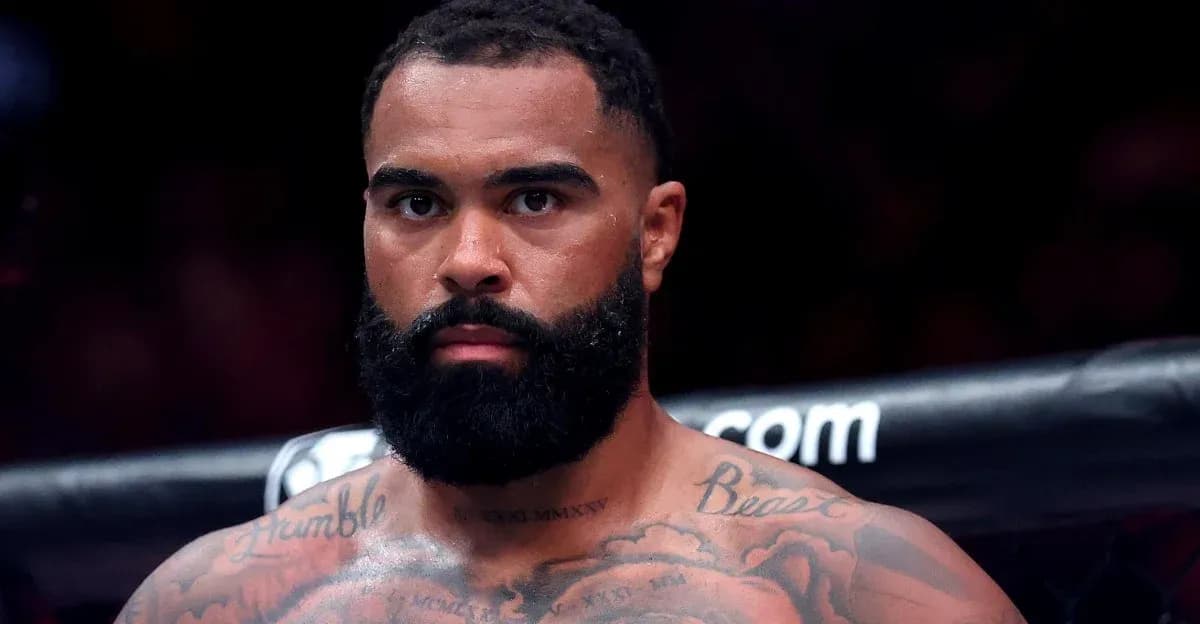
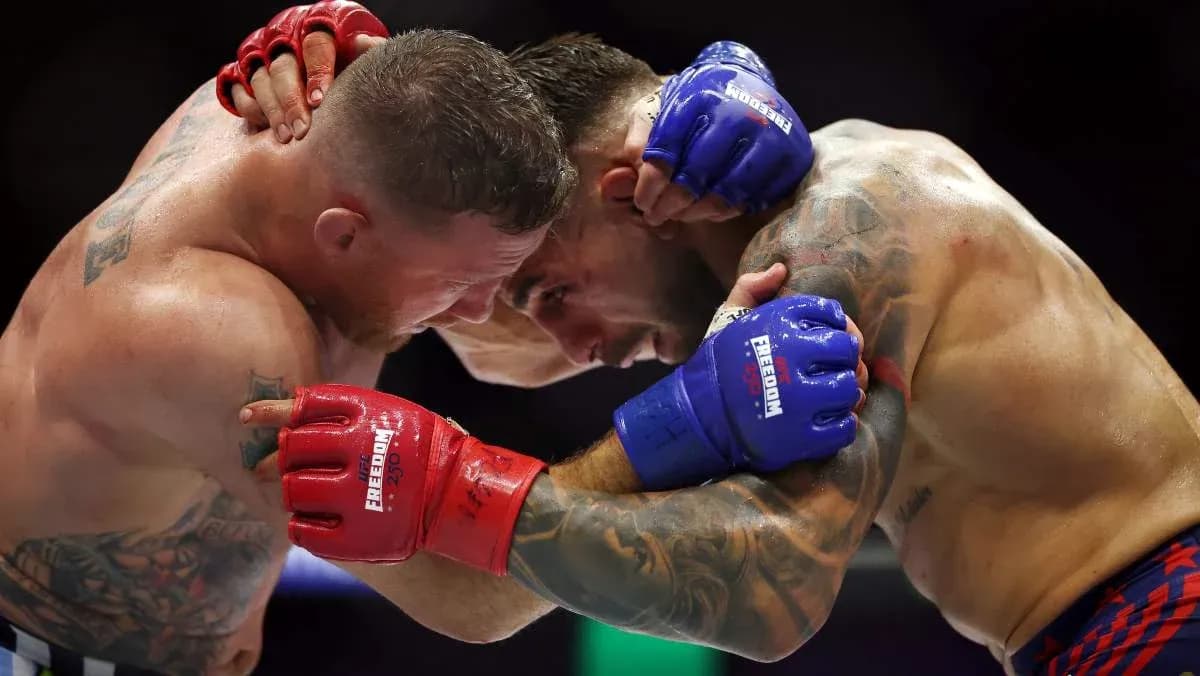
That dynamic was on full display after UFC Fight Night 287 in Paris. The card ended, the lights dimmed inside the arena, and the second show began online. Winners celebrated, losers searched for the right words, and coaches and teammates stepped in with their own perspectives, often more protective and more pointed than the fighters they support.
Some messages were defiant, promising comebacks and better versions to come. Others carried the quiet sting of disappointment, the kind of posts that say more in a single line than a 10-minute interview ever could. Fans didn’t have to wait for a post-fight scrum; the reactions were already in their feeds before the arena had fully emptied.
Among those dealing with defeat was Sofia Montenegro. For fighters in her position, social media can be a harsh mirror. It’s where criticism lands hardest, but it’s also where support shows up fastest. One post can turn into a rallying point, a public reset after a difficult night.
This is the rhythm of modern MMA. The cage tells one story. The aftermath online tells the rest.