England Squad Selection Sparks Debate as Foden Misses Out
The latest England squad for the Nations League landed with a thud on Friday morning, and the noise hasn’t stopped since.
Trent Alexander-Arnold is back. Cole Palmer is in. Alex Scott and 17-year-old Rio Ngumoha have been fast-tracked into the senior set-up. Phil Foden, though, is nowhere to be seen.
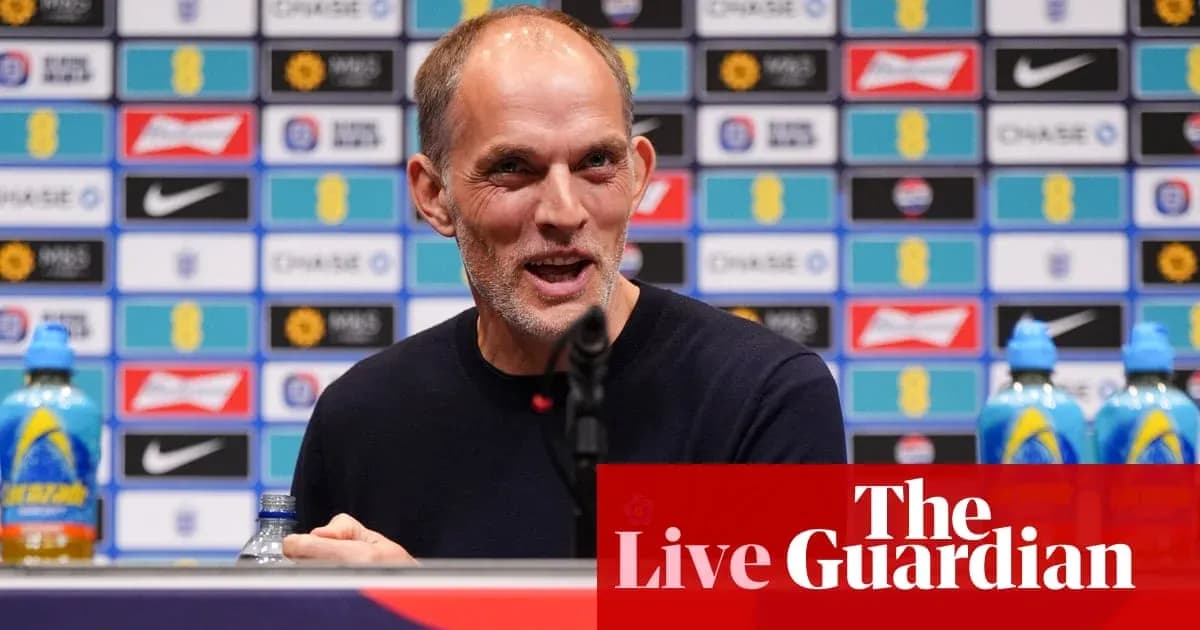
For a manager already under fierce scrutiny, Thomas Tuchel has chosen disruption over comfort.
Bold calls, big omissions
The headline is obvious. Leaving out Foden – a player many see as the technical heartbeat of this England era – is a decision that will define the reaction to this squad. His absence isn’t explained in the announcement, and the debate has been instant.
“Adam Wharton, need I say more?” one fan message summed up, capturing a wider frustration. Wharton’s continued omission, along with Morgan Gibbs-White’s, only sharpens the focus on Tuchel’s choices in midfield.
Instead, the manager has doubled down on a different profile of player. The squad leans heavily into youth, energy and versatility:
- Goalkeepers: Jordan Pickford, James Trafford, Jason Steele
- Defenders: Trent Alexander-Arnold, Jarrod Branthwaite, Trevor Chalobah, Marc Guehi, Lewis Hall, Ezri Konsa, Tino Livramento, Nico O’Reilly, Jarrell Quansah
- Midfielders: Elliot Anderson, Jude Bellingham, Myles Lewis-Skelly, Kobbie Mainoo, Cole Palmer, Declan Rice, Alex Scott
- Forwards: Dominic Calvert-Lewin, Eberechi Eze, Anthony Gordon, Harry Kane, Rio Ngumoha, Marcus Rashford, Morgan Rogers, Bukayo Saka
It is a squad that looks like a bridge between tournaments: established pillars in Kane, Rice, Saka and Bellingham, surrounded by a wave of players who, until recently, were still finding their feet in senior football.
The inclusion of Ngumoha, in particular, is a statement. The Liverpool teenager has barely begun to make his mark at club level, yet Tuchel has decided he is ready to be exposed to the senior international environment. Scott, now at Bournemouth, and Palmer, who has grown into a central figure at Chelsea, feel like the natural next steps in England’s evolution. Ngumoha feels like a leap.
Tuchel under the microscope
All of this lands in the middle of a fraught conversation about Tuchel’s stewardship of the national team. The World Cup semi-final exit still lingers, and the temperature around the manager has risen since.
Emails and opinions have poured in. Some point to the toxicity of the discourse around him, arguing that the anger and blame reflect something broader than football. Others refuse to let him off the hook for his in-game management against Argentina.
The numbers, though, are not on the side of the critics alone. Tuchel’s England have:
- Won more knockout games than every other England manager since 1966 combined
- Reached at least the quarter-finals at four consecutive tournaments
- Reached more finals than all previous England managers put together
- Become the first England side to reach a major tournament final on foreign soil
Those achievements have not softened the reaction to every squad list, every tactical tweak, every misstep. The Nations League, for many, still feels like a glorified friendly schedule. For Tuchel, it is anything but. It is the next arena in which every decision will be dissected.
A squad built for now – and for what comes next
Strip away the noise and this is a group that tells a clear story about where England are trying to go.
At the back, there is a deliberate move towards ball-playing, aggressive defenders. Branthwaite, Guehi, Konsa, Quansah, Hall, Livramento, O’Reilly – it is a collection designed to play on the front foot, to defend high, to step into midfield and squeeze the pitch.
In midfield, Rice remains the anchor, but he is now flanked by technicians and press-resistant carriers: Bellingham, Mainoo, Palmer, Scott, Anderson, Lewis-Skelly. The absence of Wharton and Gibbs-White will irritate many, yet the profile is consistent. Tuchel wants midfielders who can receive under pressure, break lines and link with a fluid front line.
Up front, Kane still leads the attack, with Rashford, Saka, Gordon and Eze offering different routes to goal. Calvert-Lewin provides a traditional focal point. Rogers adds another runner from wide. Ngumoha is the wildcard – a raw, fearless option who embodies the risk baked into this selection.
This is not a conservative squad. It is not designed to keep everyone happy. It is built to accelerate a generational handover while the established core is still at its peak.
The stakes behind the selections
Tuchel knows what is coming. Every time England fail to win, the conversation will circle back to choices like this: Why no Foden? Why no Wharton? Why that teenager, and not this one?
For the manager, the Nations League is a laboratory with consequences. There is space to experiment, but no real room for failure. The competition might still confuse or bore parts of the public, but for a coach under pressure, these games shape momentum, mood and, eventually, job security.
He has chosen to lean into the future rather than cling to the familiar. The question now is simple: will this new-look England grow quickly enough to justify the gamble, or will these bold calls be thrown back at Tuchel the moment results turn?