Celtic's Defensive Flaws Exposed in Europa League Loss to Ferencvaros
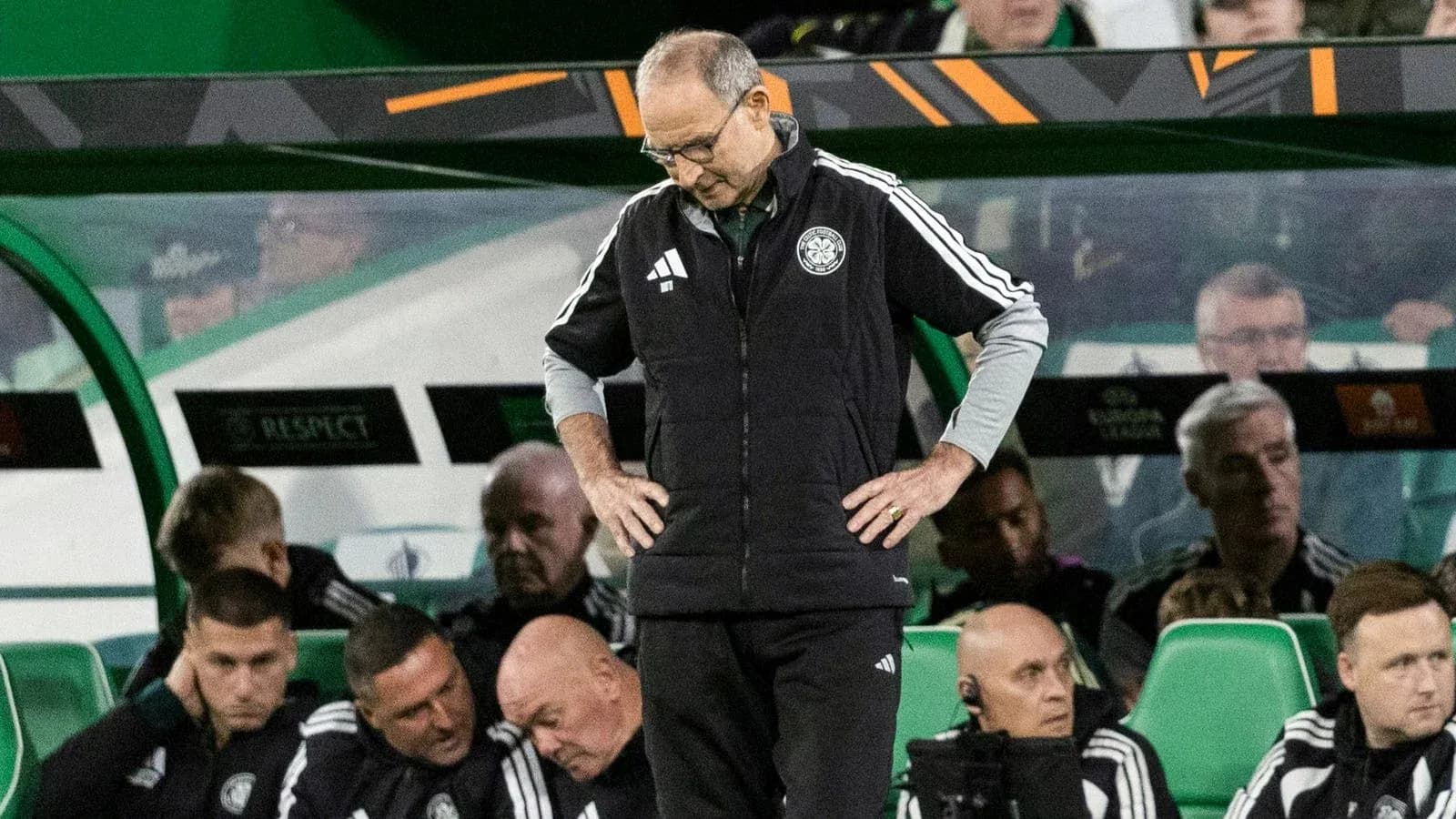
Celtic Park has seen European setbacks before, but this felt painfully self-inflicted. Three days after an Old Firm collapse, Martin O'Neill’s side followed it up with a 3-1 home defeat to Ferencvaros that laid bare the same old defensive flaws and raised fresh questions about a team still searching for its shape.
They started brightly. They often do.
James Forrest, back in from the start and drifting in off the left, looked like the Forrest of old. He teased and probed, and in the eighth minute he whipped in a cross that begged to be finished. Camilo Duran took a heavy touch, then another, and the chance dribbled past the post. A warning, not a breakthrough.
Ferencvaros absorbed it and waited. Celtic had the ball, Celtic had the territory, but the Hungarians sensed vulnerability in the spaces behind Kieran Tierney and the hesitancy in the middle.
The pressure told on 20 minutes, and it was a mess of Celtic’s own making. Tierney failed to deal with a cross, the ball dropped to Bamidele Yusuf and his shot, not especially vicious, clipped Liam Scales and spun past Viljami Sinisalo. Another European night, another deflection, another Celtic defender with his head in his hands.
The pattern didn’t change. Forrest continued to trouble Ferencvaros, Haissem Hassan darted into pockets, and Callum McGregor tried to dictate from the edge of the box. One move on 32 minutes ended with McGregor’s drive deflecting wide, the crowd urging their side on, the sense growing that an equaliser had to come.
It did. And the timing could not have been better.
With half-time looming, Tierney – heavily involved at both ends all night – produced the kind of delivery Celtic had been crying out for. His cross found Mika Baur, who crashed his finish into the net on 44 minutes. Celtic Park erupted, the roar of a support desperate to believe that the Old Firm hangover had finally lifted.
It lasted barely a heartbeat.
Straight from the restart, Ferencvaros sliced through a dazed Celtic back line. Yusuf again isolated Tierney, again beat him, then drove into the box. McGregor was slow to react, the ball ran to Kristoffer Zachariassen and he flicked it past Sinisalo. From 1-1 to 2-1 down in the blink of an eye. The groan around the stadium said everything: they had seen this film before.
Any hope of a composed response after the interval vanished almost immediately.
Within two minutes of the restart, Celtic coughed up possession in a terrible area. Colby Donovan, fresh from his first Scotland call-up and eager to impress, was caught out. Daniel Arzani pounced. The Australian winger stepped inside and unleashed a stunning strike into the top corner. A brilliant goal, yes, but once again born from Celtic carelessness.
3-1, and Celtic’s Europa League campaign was already on the ropes.
From there, the game took on a familiar shape. Celtic chased, Ferencvaros controlled. Kasper Hogh almost got on the end of a Duran cross on 67 minutes, Benjamin Nygren curled just wide soon after, and Sebastian Tounekti forced Adam Varga into a strong save with a powerful effort.
Nygren then tried an audacious lob with Varga stranded well off his line, but sent it over the bar. The late surge came, as it usually does, but lacked precision. The supporters who stayed until the end voiced their anger at the final whistle, the boos cutting through the Glasgow night.
This was not a hard-luck story. The goals were gifts.
Tierney struggled badly in key moments. Scales’ own goal summed up the uncertainty. McGregor, normally the calm heartbeat of this side, hesitated in the box for Ferencvaros’ second. Donovan, handed a landmark week with his international call, was punished ruthlessly for his mistake. Every error seemed to end up in Sinisalo’s net.
O'Neill had promised a reaction after the League Cup collapse against Rangers. He made four changes from that defeat, trying to jolt his side into life. It didn’t work. The structure looked no more secure, the decision-making no more assured. Celtic’s big summer signings, Duran and Hogh among them, again failed to stamp their authority on a high-stakes occasion.
The manager admitted before this game that he is still searching for his best XI. The search is starting to look urgent.
There were flickers of quality – Forrest rolling back the years, Baur’s sharp finish, spells of sustained possession – but they were swallowed up by the recurring chaos at the back. Celtic’s defensive problems are not subtle, and they are no longer occasional. They are defining games.
O'Neill called it “a European lesson” and spoke of the need to re-energise, to cut out the cheap giveaways and take risks only in the right areas of the pitch. He has heard the boos at Celtic Park before, a generation ago, and did not flinch at the reaction. The crowd, he said, were simply voicing the frustration of watching promising moves end in two or three backwards passes, the tempo draining away.
The table offers some protection. No matter what happens on Sunday, Celtic will head into the international break on top of the Premiership. On paper, that reads well. In the stands, it feels very different.
Two Old Firm defeats and a Europa League loss in eight days would be intolerable for this support. The Rangers rematch on Sunday, live on Sky Sports, now carries a weight that goes far beyond bragging rights. It has become a test of resilience, of identity, of whether this Celtic side can still be trusted when the pressure tightens.
Just months after delivering a league and cup double, O'Neill finds himself staring at a familiar Glasgow question: how long does credit last when the cracks at the back refuse to close?