Acceptance After Knockout: A Fighter's Journey
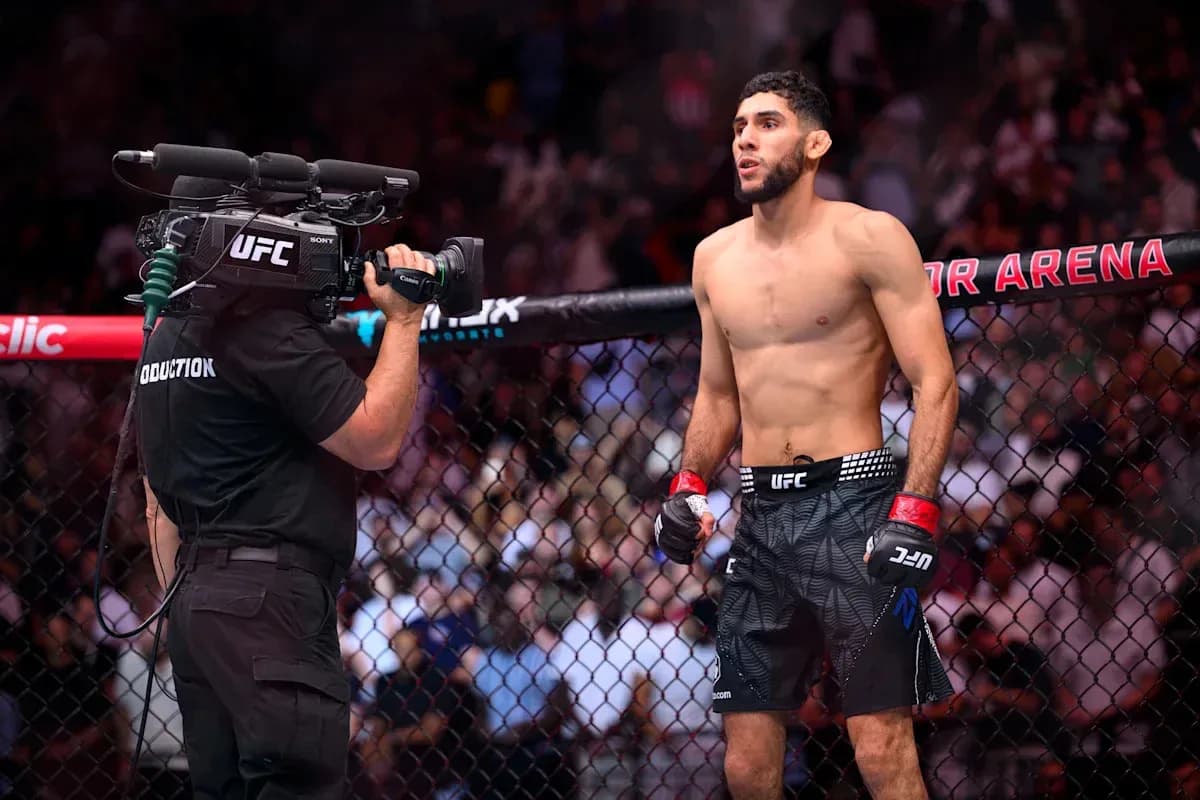
The cage door closed and, for the first time in his career, he didn’t walk out the same fighter.
“Yesterday, I suffered my first knockout.”
In a sport built on impact and ego, the admission cut through with unusual clarity. No excuses, no controversy, no attempt to dress it up as anything other than what it was: a clean defeat in MMA, the kind that leaves both a mark and a message.
He framed it in the simplest terms possible. This is MMA. One night you’re the hammer, the next you’re the nail. He reminded everyone he knows the rules of this game and, crucially, accepts them. That acceptance is often the dividing line between those who fade after a setback and those who turn it into fuel.
There was no bitterness toward the man who handed him that first knockout, only respect. He offered congratulations to Axel not just for the win, but for his conduct on either side of the bout — the way he carried himself before the opening bell and how he behaved when it was all over. In a sport frequently sold on trash talk and bad blood, that detail mattered. Two professionals, one winner, one loser, both leaving with their dignity intact.
The defeat, he insisted, is not a dead end. It is a checkpoint.
Now comes the pause. He spoke of taking the necessary time, of stepping back to rebuild and return stronger. Not as a hollow slogan, but as another step in a longer journey, the kind fighters know is rarely linear. Careers in this sport are written in scars, not straight lines.
He made a point of turning outward too. The messages poured in after the loss, and he acknowledged them all — a thank you to the many who reached out, who stayed in his corner when the highlight reel belonged to someone else. For a fighter, those moments after a knockout can be the loneliest of all. He made it clear he didn’t feel alone.
At the heart of his response stood his team. He reserved a special thanks for the people who shared every round of sparring, every weight cut, every doubt. Their work, their presence, their loyalty. Victory or defeat, they move as one. That was his line in the sand: when the lights dim, the circle around him does not.
There was no grand promise, no theatrical vow of revenge. Just a simple, unwavering conclusion from a man who has been hit hard and still sees a way forward.
They will be back.
And, as he put it, they will come back stronger.