UFC 331: The Contrast Between Michael Page and Tai Tuivasa
The UFC has always insisted it’s a sport first. UFC 331 is a reminder that it’s something else, too.
On one end, there’s Michael “Venom” Page, already gone. On the other, Tai Tuivasa, still here, still swinging, still losing.
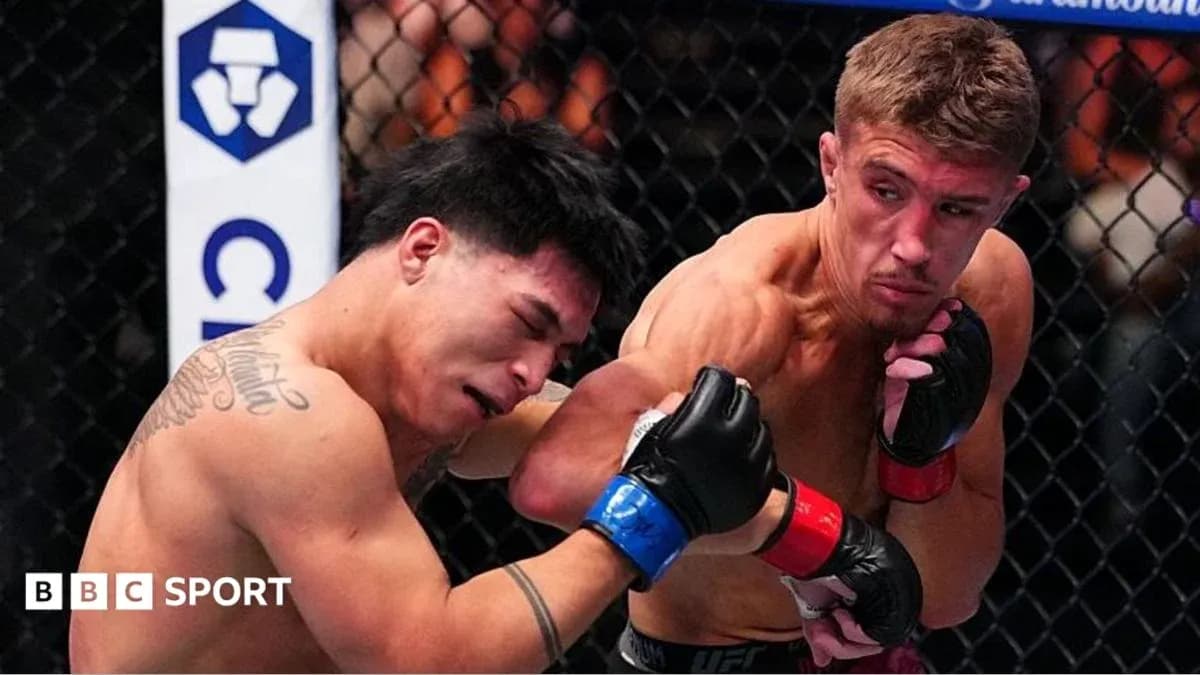
Two weeks ago in Paris, Page walked out of the UFC with a 5-1 record in the promotion. He closed his run with a dull decision win, the kind that vanishes from memory before the post-fight show wraps. No contract drama. No drawn-out negotiation. No lowball offer to leak to the media. Just silence, then the door.
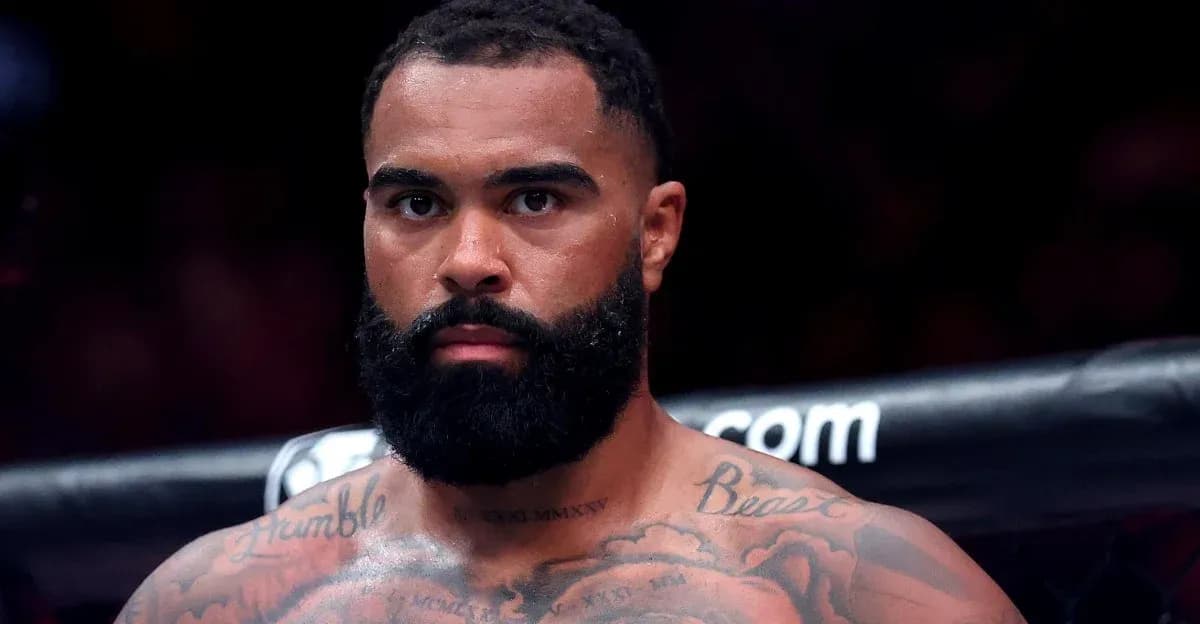
On Saturday in Miami, Tuivasa will step into the cage at UFC 331 trying to snap a seven-fight losing streak that stretches back to 2022. He’s not just fighting Robelis Despaigne. He’s fighting Tony Ferguson’s infamous record of eight straight UFC losses, the kind of number that usually gets you a legacy tribute video and a firm handshake on the way out.
The contrast is impossible to miss. Tuivasa has now dropped more consecutive fights than Page even got to have in the Octagon. One man is unemployed. The other is on the main card.
That’s not an accident. It’s a message.
The UFC has always valued a certain type of fighter and a certain type of fight. This is a sports league wrapped in a TV show, and the matchmakers know exactly what keeps people from changing the channel. The only thing worse than a boring fighter is a boring fighter who keeps winning. That’s the nightmare: a man who shuts down exchanges, wins on the scorecards, and takes the air out of every arena he walks into.
You can’t build a pay-per-view around that. You can’t sell that to casual fans on a Saturday night.
So a technician like Page, who can make opponents look foolish while never quite lighting the place on fire, finds the exit door swinging open. He’s good. He’s effective. He’s also, in the UFC’s eyes, a bad kind of predictable.
Tuivasa is predictable, too. Just in a way the company can use.
He’s the heavyweight who plants his feet and swings from his heels. He’s the man who doesn’t bother with too many takedown defenses and rarely sees a third round without his gas tank screaming for mercy. He will get hit, and he will keep getting hit, because pride won’t let him do anything else.
A promoter can work with that. You can look at the roster and almost sort it into two piles: the guys Tuivasa can starch early, and the ones who will likely walk him into deep water and drown him. The calculus only gets complicated when he starts losing the matchups he’s supposed to win.
That’s already happening. In May, in Australia, Tuivasa went in as a -225 favorite against Louie Southerland and walked out with a unanimous decision loss, his seventh defeat in a row. Those are the kind of numbers that usually get your name highlighted in red on a roster sheet.
Yet here he is at UFC 331, cast as the welcome-back party for Despaigne. It doesn’t feel like a favor. Despaigne flattened Junior dos Santos at the MVP Netflix event in May, and the UFC’s matchmakers clearly took note. A towering knockout artist coming back to the Octagon? You give him a heavyweight who will stand in front of him, agree not to wrestle, and trade.
That’s Tuivasa. That’s the job.
This is how a fighter can lose again and again and still cash UFC checks. He’s reliable chaos. He gives the matchmakers exactly what they want: danger, jeopardy, and violence with a clear narrative.
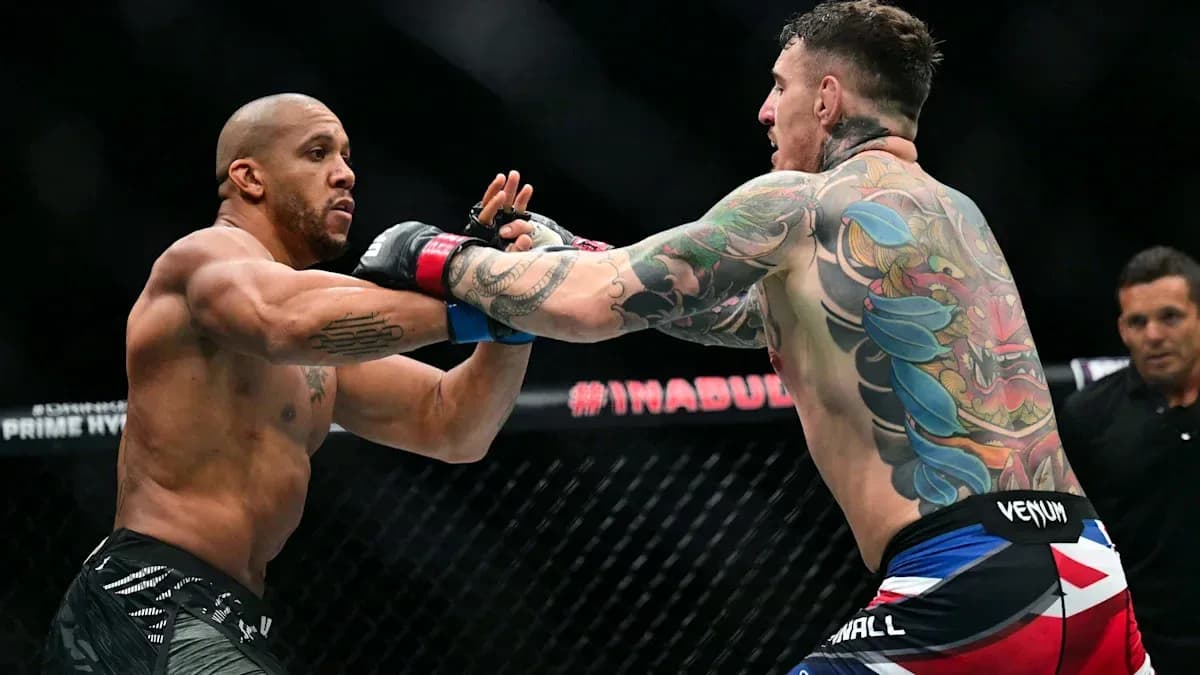
Page gave them something else. Control. Distance. Fights that often felt like puzzles instead of bar brawls. He won almost all of them, and that’s the problem. Fans don’t rush to their feet for a chess match that ends 30-27.
Tuivasa, on the other hand, has something Page never really did in the UFC: a visceral connection with the crowd. He’s the guy fans can imagine drinking with, literally. The shoey isn’t just a bit; it’s a brand. In Melbourne, after a one-sided submission loss, he climbed out of the cage and still found a fan waiting with a full beer and a shoe, ready to turn defeat into a party. Tuivasa gave him a single glance and declined, but the point was already made. Even in defeat, people wanted in on the ritual.
That matters. The UFC likes fighters who bring their own atmosphere.
The fighters know all of this, whether anyone spells it out for them or not. They see who gets cut and who gets rebooked. They see who gets gently ushered to the door after a string of dull wins and who gets one more shot after another violent loss.
Tyron Woodley laid it out this week on “The Ariel Helwani Show.” He described the ideal UFC spectacle in brutal shorthand: “You hit me, I hit you. Rock ’em, sock ’em. I’m bleeding, you’re bleeding. I almost die, you almost die. We hug at the end, raise each other’s hand. That’s the ‘best’ fight.”
That’s the template. That’s what gets replayed, reposted, and rewarded.
But the bill always comes due. Woodley also pointed to the cost. Fighters who live that way, who trade brain cells for bonuses, don’t last. The role of the brawler is spectacular and short-lived. Eventually the body slows, the chin softens, the reflexes lag by a fraction of a second. And the moment that happens, the machine moves on.
“As soon as they become a bag of bones and they become a little older,” Woodley said, “and there’s a younger fighter that’s willing to do it with less backtalk, willing to do it for less money, they’re going to be matched up with that person. That’s really how the cycle of the sport goes.”
That’s the part that strips away any illusion of fairness. In most sports, the currency is simple: win and you stay, lose and you go. At the top level, victory is the only language that matters.
In the UFC, winning is only part of the equation. The rest is blood, drama, and how much chaos you can summon on demand.
So Tuivasa walks into UFC 331 with his back against the wall and his future in the balance, yet still very much in the company’s plans. Page walks away with a clean record and no seat at the table. One man gave the UFC what it craves on Saturday nights. The other didn’t give it often enough.
Every fighter watching understands the assignment. They’re not just trying to win. They’re trying to find that dangerous balance between warrior and showman, between protecting their health and protecting their job.
How long anyone can ride that line before it breaks is the question that hangs over every walk to the Octagon.