
UEFA Champions League Finals and Nations League Changes Announced
UEFA has sketched out the shape of European football’s showpiece nights for the rest of the decade – and slipped in a quiet revolution for the Nations League while it was at it.
The decisions dropped out of a key Executive Committee meeting in Thessaloniki, where the powerbrokers signed off on host cities for every major club final through 2029 and approved a structural tweak that will change how national teams rise and fall in the continent’s newest competition.
Munich and Barcelona get the big one
The men’s UEFA Champions League final remains the jewel in the calendar, and UEFA has handed it to two of European football’s great cathedrals.
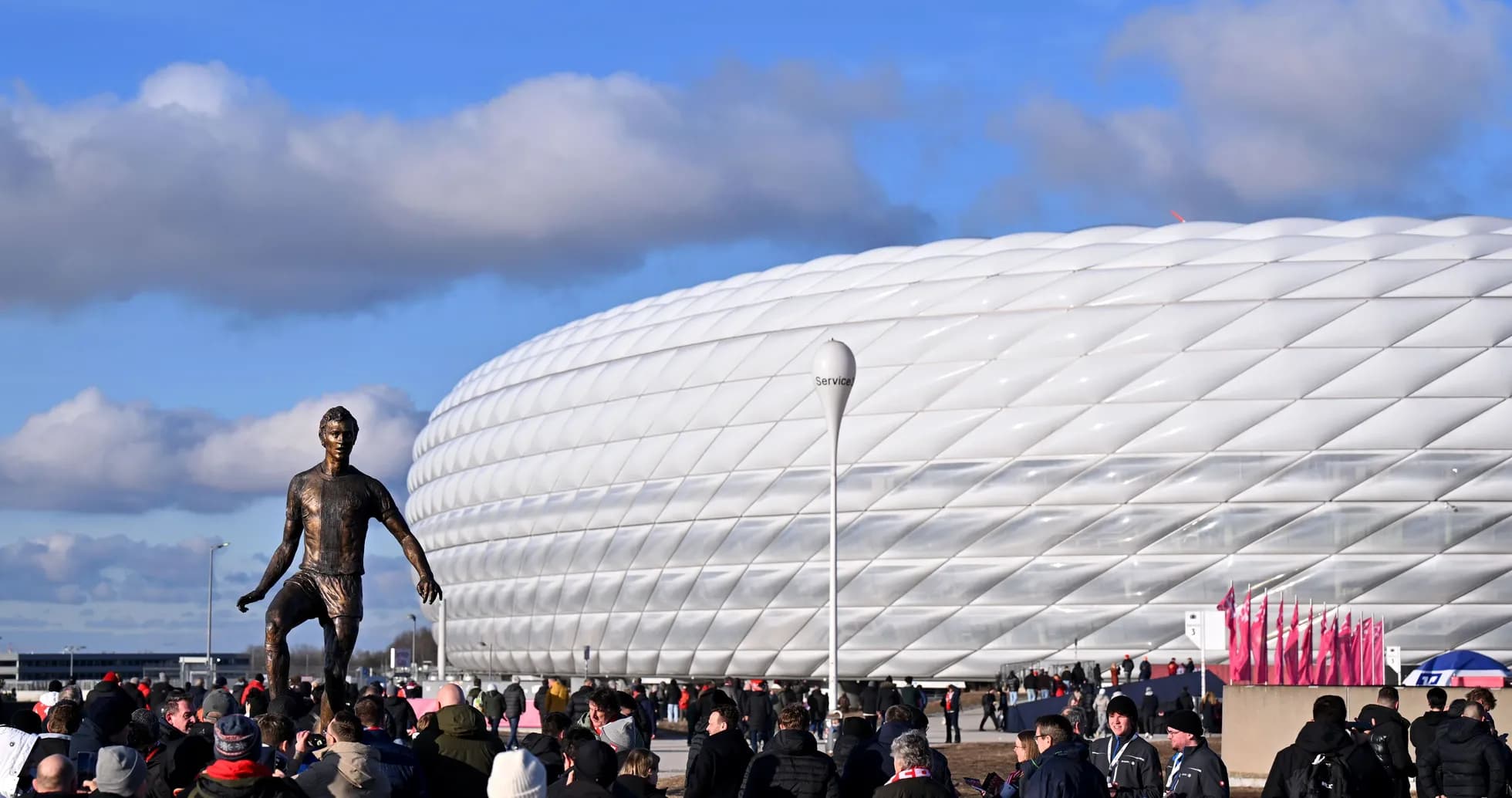
In 2028, the trophy returns to Munich. The Munich Arena – Bayern Munich’s fortress and the stage for the unforgettable 2012 final – will once again host the biggest club game on earth. A modern arena, a football-obsessed city, and a stadium already steeped in European drama: it’s a safe bet for spectacle.
A year later, the spotlight swings to Spain. The 2029 final will be played at the new Spotify Camp Nou in Barcelona, the first European final at the ground since its transformation and its first since the famous 1999 showpiece. By then, it will stand as the largest stadium in Europe, a rebuilt giant ready to showcase a new era of Champions League royalty.
Europa League and Conference League find new homes
Below the Champions League, UEFA has spread the wealth.
The Europa League final heads east in 2028, landing at Bucharest’s National Arena. It’s a venue with pedigree, already familiar with major European nights and capable of turning a final into a city-wide event.
In 2029, the competition moves to Belgrade. The Serbia National Stadium will host, a significant nod to a football-mad country and a clear statement that UEFA wants its secondary club final to keep pushing into fresh markets and modern national arenas.
The Europa Conference League, still the youngest of UEFA’s club tournaments, gets its own marquee stages.
In 2028, the final goes to Turin, with Juventus Stadium providing an intimate but intense setting. Purpose-built for football and known for its atmosphere, it gives the competition a sharp, modern stage.
For 2029, Budapest takes over. The Puskas Arena, already a regular in UEFA’s rotation, will host the Conference League’s showpiece, underlining Hungary’s growing role in the European finals circuit.
Women’s game and Super Cup step into the spotlight
UEFA’s calendar shake-up stretches well beyond the men’s game.
The UEFA Women’s Champions League final will visit two very different, but equally symbolic, homes. In 2028, Parc Olympique Lyonnais in Lyon Decines hosts the showpiece. Lyon has been a powerhouse in the women’s game, and its stadium is a natural fit for a final that continues to grow in stature and audience.
In 2029, the final crosses the Channel to Cardiff. The Wales National Stadium will stage the decider, a major moment for the city and a sign of how firmly the women’s competition now sits alongside UEFA’s other flagship events.
The UEFA Super Cup, the traditional curtain-raiser to the men’s club season, is also on the move.
In 2027, it will be played at the Johan Cruyff Arena in Amsterdam, a stadium soaked in European history and a venue that almost guarantees a vibrant, attacking occasion.
Then comes a more adventurous step. In 2028, the Super Cup travels to Kazakhstan, with Astana Arena named as host. It is a clear attempt to widen the event’s reach and plant UEFA’s flag further east, using a high-profile one-off game to test new ground.
There was room for futsal too. The UEFA Futsal Champions League final in 2027 will be staged at the Biel/Bienne Arena in Switzerland, another sign that UEFA wants every strand of its game to have a proper stage.
Nations League faces a controlled storm
Away from the finals calendar, UEFA used the Thessaloniki meeting to reshape the Nations League’s future.
The Executive Committee approved a change to the promotion and relegation system for the 2026/27 edition. It is not a cosmetic tweak. The adjustment is designed to smooth the path into a new structure already signed off for 2028/29, when the competition will move from four groups to three.
Cutting the number of groups will tighten the field and raise the stakes. Fewer groups mean stronger average opposition, fewer soft landings, and more games where points carry real weight. The revised promotion and relegation model for 2026/27 is essentially a bridge: a way to move from the current format into the new one without chaos.
The aim is blunt enough – sharpen the competitive edge of international windows that used to be dominated by friendlies and half-paced experimentation. The Nations League was created to make those dates matter. This is the next step in that logic.
Eyes now on Belfast
UEFA closed its Thessaloniki business with one final decision: where the powerbrokers meet next.
The Executive Committee will reconvene in Belfast, Northern Ireland, on 7 December. The timing is no accident. That date falls the day after the Euro 2028 qualifying draw, which will also take place in the city.
By then, the venues will be locked in, the Nations League overhaul will be edging closer, and the roadmap for Europe’s next generation of finals will be set. The question is simple: who will rise to own these new stages, and who will be left watching their rivals lift trophies in Munich, Barcelona, Cardiff, and beyond?