Toby Samuel's Remarkable US Open Debut
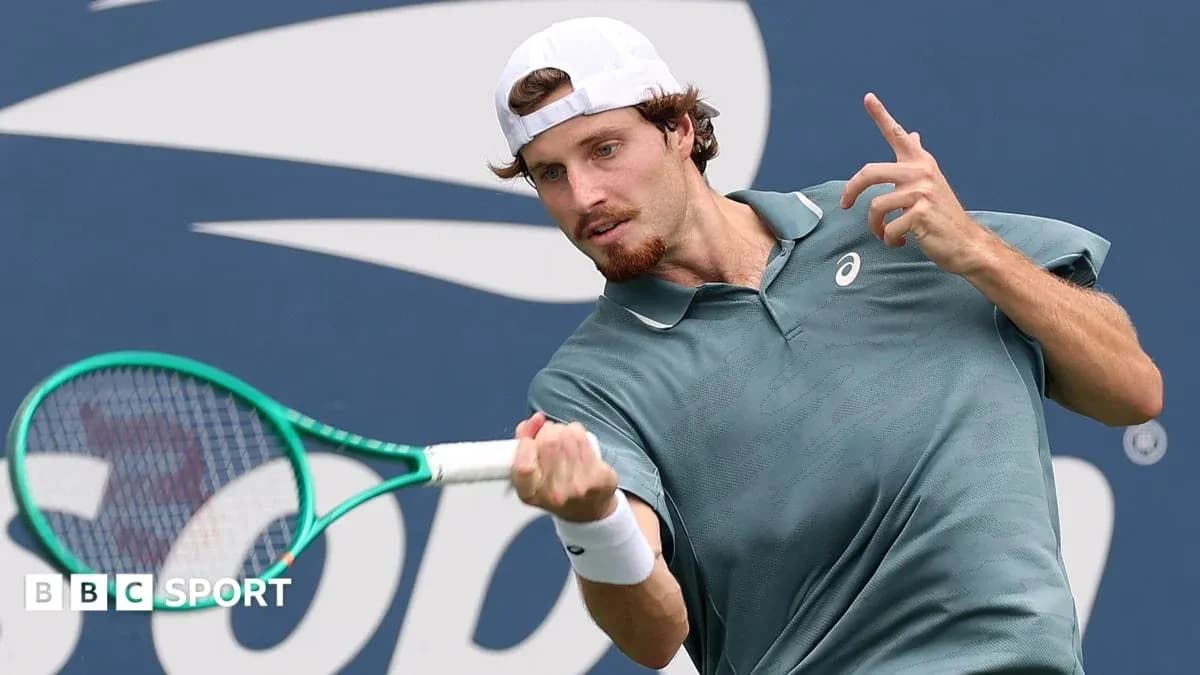
Toby Samuel walked into the US Open as a qualifier. He walked off court on Monday looking every inch like he belonged.
On his main-draw debut in New York, the 23-year-old Briton dismantled former world No. 20 Tomas Machac 6-2 6-3 6-2 in just over 90 minutes, sealing not just his first Grand Slam win but a statement that his rise is no accident.
This is the same player who, two years ago, had fallen to the fringes of the rankings, drifting towards 2,000th in the world as bone bruising in his right arm wrecked much of his 2024 season. Now he sits inside the live ATP top 100, has $140,000 in prize money banked from this run alone, and has a place in the second round of the US Open. The turnaround has been brutal, and it has been fast.
“It means everything to me. It's what I dreamt of as a kid watching these big tournaments,” Samuel told BBC Radio 5 Live. “Being able to win my first Grand Slam match is unbelievable.”
On court, there was nothing wide-eyed about him.
From the brink to the big time
Samuel’s climb has been built the hard way. Last year he tore through the ATP Challenger Tour, winning 36 of 39 matches to haul himself back into the top 300. It was the sort of run that doesn’t make many headlines but changes a career.
This season he has started kicking doors down at the top level. He battled through qualifying to make his Grand Slam debut at Roland Garros, despite never having played a single ATP Tour main-draw match before that. Then came a semi-final surge at Eastbourne, a wildcard at Wimbledon, and a third Challenger title of the year on the hard courts of Winnipeg.
New York is the latest step, but it may prove the most important. With his new ranking, Samuel is now in position to qualify automatically for next January’s Australian Open. If he makes it to Melbourne, he will have completed the full set of majors barely a year after cracking the top 250.
For a player once stuck on the treatment table and staring at the bottom of the rankings list, that’s a different sport.
No nerves, no let-up
What made this first-round win stand out was the sheer control. In qualifying, Samuel had been forced to scrap, coming from a set down in each of his three matches to reach the main draw. Against Machac, there was no such drama.
He jumped on the Czech from the start, serving with authority and taking time away in the rallies. Across the first two sets, Samuel dropped only five points in nine service games. At one stage he rattled through three straight holds to love, part of a seven-game burst that left Machac reeling.
The only wobble came at the start of the third set, when he fell 2-0 behind. Any hint of a shift in momentum vanished almost immediately. Samuel reset, tightened his patterns, and reeled off six straight games, saving two break points along the way to close out the match with the same poise he had shown from the first ball.
Next up is Czech 18th seed Jiri Lehecka in the second round. A different level of test. A different kind of stage. But on this evidence, Samuel will not be overawed.
Learning to belong
Just a few months ago at Roland Garros, Samuel admitted he was still starstruck in the locker room, surrounded by the names he had grown up watching.
“I'm still a little bit but I'm definitely more comfortable being around those top guys because I could be playing them the next day,” he said. “I have to start thinking of them not as stars but people I can play against.”
That mental shift is happening in real time. The kid who used to watch from afar is now sharing draws, practice courts and locker rooms with them. And, as Machac discovered, he’s starting to beat them too.
Built in Carolina, sharpened for New York
Like his 2019 Wimbledon boys’ doubles partner Arthur Fery, whose surprise run to this year’s SW19 semi-finals lit up the British summer, Samuel has leaned heavily on the American college system.
Encouraged by his parents, the former junior world No. 57 headed to the University of South Carolina, where he earned an All American doubles title and adjusted to the “super lively” college crowds. Those noisy, partisan atmospheres turned out to be a perfect rehearsal for the chaos and clatter of a New York court.
Several of his Carolina team-mates were in the stands for this first-round win, and Samuel was quick to credit their impact, talking about their “fighting energy” helping him “get the job done” against Machac. The roar from that small pocket of familiar faces cut through the stadium noise and anchored him to where this journey really gathered pace.
His parents, who had followed him through qualifying, were absent this time, busy helping his brother settle into his own American college adventure. “My brother's just started university in America so they flew out to help him settle in, and I think my dad will fly back out for the second round,” Samuel said.
The family split across two campuses, one son starting out, the other suddenly staring down seeds at the US Open. It’s a snapshot of a new era for British tennis.
British momentum in New York
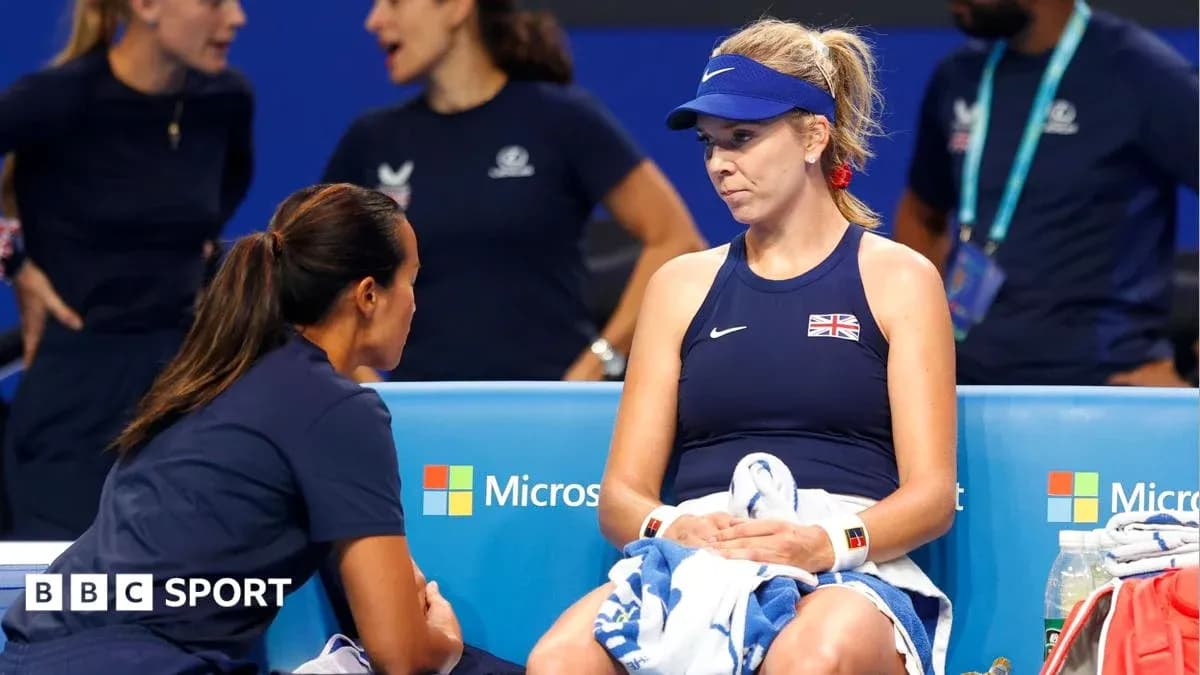
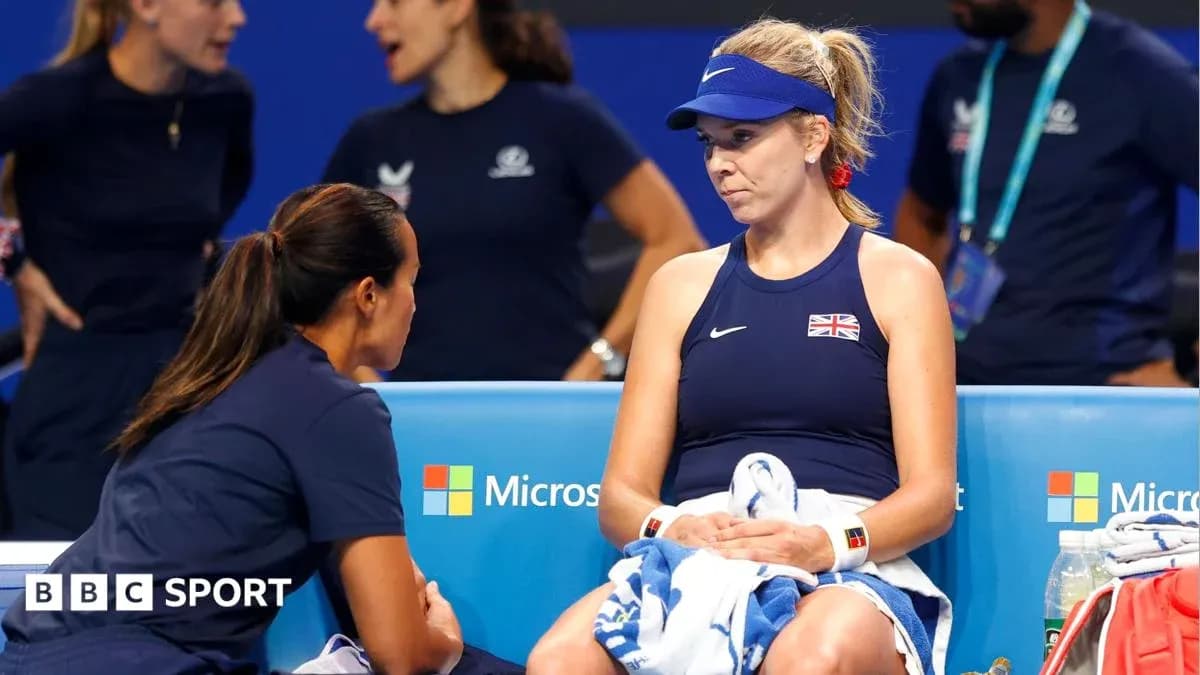
Samuel is not alone in flying the flag into the second round. Katie Boulter fought through her own test, battling past American wildcard Carol Young Suh Lee 6-4 3-6 6-0 to join him in the next stage.
For Samuel, though, this feels like a breakthrough with deeper roots. From the Challenger grind to the college courts of South Carolina, from arm bruising and a ranking in the wilderness to the top 100 and a straight-sets demolition in New York, his path has been anything but smooth.
Now comes Lehecka, a seeded player with serious weapons and serious expectations. Two years ago, Samuel might have watched that kind of match on television. This week, under the lights of Flushing Meadows, he gets to play it.
The question now is no longer whether he belongs here. It’s how far this surge can take him.