Tilak Varma: Key Player in India's World Cup Strategy
New Delhi: A year out from the ODI World Cup in South Africa, India’s white-ball think tank has moved into planning mode – and Tilak Varma has suddenly stepped into the frame.
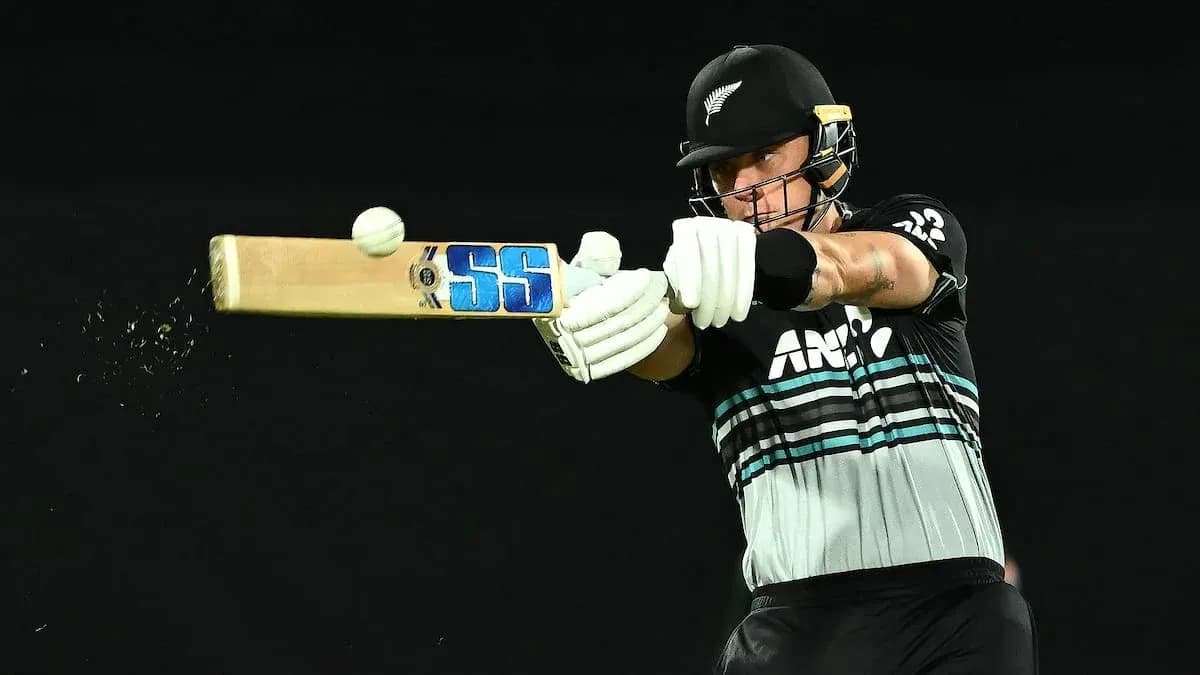
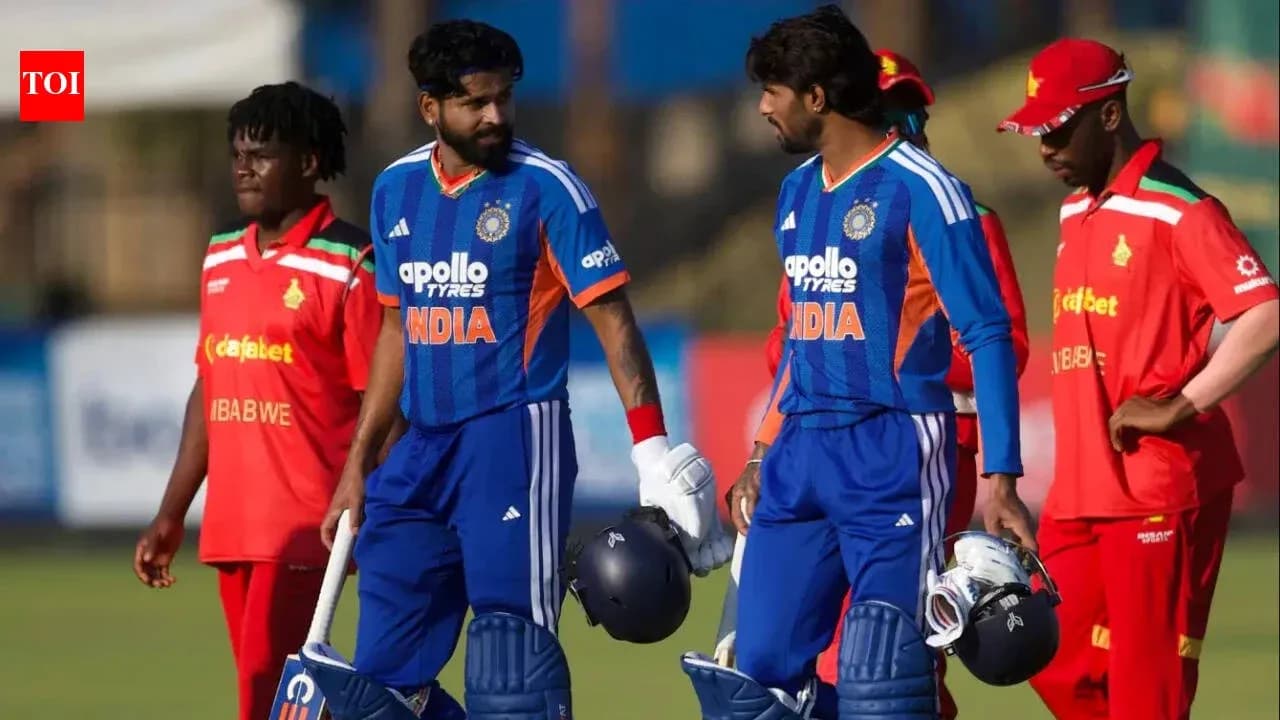
The left-hander, still early in his international journey, has been discussed as a potential backup to Shreyas Iyer in the top six, with the team management keen to inject variety into a right-hand heavy batting order. His profile ticks several boxes: compact technique, a calm head under pressure, and crucially, a different angle as a left-handed batter.
There is another layer. Tilak has been told, in no uncertain terms, to sharpen his off-spin.
The message from the dressing room is clear. India can no longer afford a top order that offers nothing with the ball.
Bowling Burden Forcing Tactical Compromises
Over the past year, the lack of bowling options in the top six has forced India into awkward compromises. To keep the balance of the XI intact, the management has repeatedly pushed Washington Sundar or Axar Patel up to No. 5 or No. 6. Useful cricketers, both. But that kind of reshuffle betrays a structural problem.
When the top order doesn’t chip in with overs, the lower order and frontline bowlers carry a heavier workload. It shows late in games. It shows over long tours. And it shows when injuries pile up.
Inside the setup, there is concern.
Head coach Gautam Gambhir and captain Shubman Gill, according to a BCCI source, believe there is no ready-made backup for the middle order. With Hardik Pandya and Nitish Kumar Reddy both susceptible to injuries, they want at least one top-order batter who can reliably deliver four overs in an ODI. That’s where Tilak’s off-breaks come into play.
He is no frontline spinner yet. But the management sees potential. Enough to ask him to invest serious time into that part of his game.
Iyer Question Marks and an Ageing Core
The planning is also shaped by the uncertainty around Shreyas Iyer himself.
Iyer’s recent injury in Australia and the lack of recent exposure against high pace and steep bounce have left a few questions hanging as India look ahead to South African conditions. The World Cup will not be kind to any technical or physical frailty.
On top of that sits the reality of an ageing core.
Rohit Sharma and Virat Kohli remain central to India’s plans, but both are deep into their 30s and managing niggles. KL Rahul will also be past 35 by the time the tournament begins. Ravindra Jadeja, once an automatic pick, is no longer a certainty either.
The impact is already visible. Fielding standards have dipped, and the management is acutely aware of it. The call now is for younger, fitter backups who can step in without India losing intensity in the ring or in the deep.
Tilak, in that sense, is part of a broader shift rather than a one-off experiment.
Gaikwad Example Shapes Selection Philosophy
If there was any doubt about how the selectors view role clarity, the Ruturaj Gaikwad episode has settled it.
Last year in Raipur, Gaikwad was pushed into the unfamiliar No. 4 slot against South Africa and responded with a hundred. It looked like the start of a new phase for him in ODIs. Instead, he hasn’t been picked in the format since.
The reason, as learned from those close to the discussions, is straightforward. Gaikwad was brought in as a backup opener when Shubman Gill was injured. The management now feels that slot in the middle order could have been used to test someone like Tilak, who is more naturally suited to that role.
They don’t want to repeat that mistake with Devdutt Padikkal either. Padikkal’s rise has come as an opener in white-ball cricket, and the selectors are reluctant to shove him into an ODI middle order just to plug a gap.
They want specialists in defined roles. Not makeshift solutions.
West Indies ODIs the Odd One Out
The upcoming home ODI series against West Indies from September 27 will, by necessity, break that pattern.
With Shreyas Iyer, Tilak Varma, Ishan Kishan and Axar Patel all unavailable, the squad will look nothing like the one India hope to field in South Africa. The selectors are expected to treat this series as an outlier, with their primary focus shifting to finding another wicketkeeper for the short term rather than building the World Cup core.
The real World Cup blueprint work, internally at least, is set to begin when India land in New Zealand in October. By then, more of the first-choice names should be back in the frame, and the management will have a clearer view of who can handle specific roles.
At the same time, a full-strength T20 side will be in Japan for the Asian Games, stretching resources and forcing even sharper decisions on workload and squad depth.
Afghanistan T20Is: Asian Games Dress Rehearsal
Before all that, another selection meeting looms.
By September 3, the committee is due to pick the squad for the three-match T20I series against Afghanistan in Delhi, starting September 13. The expectation, according to sources, is that they will largely stick with the group chosen for the Asian Games.
That continuity, though, hinges on fitness updates.
Official reports are awaited on Hardik Pandya, Nitish Kumar Reddy and Jasprit Bumrah, all central to India’s short-format ambitions. There is better news on Varun Chakravarthy, who has regained full fitness and is back in contention.
So the picture is slowly forming.
A middle order that needs insurance. An ageing core that demands younger legs around it. A left-hander in Tilak Varma being groomed not just to bat, but to bowl. And a World Cup in South Africa that will expose any soft spot in both skill and planning.
India have time on the clock. The question is whether they use it to build a robust, multi-dimensional side—or to patch holes and hope the old guard can carry them one more time.