Stephen Fleming Embraces Ashes Obsession as England's New Test Coach
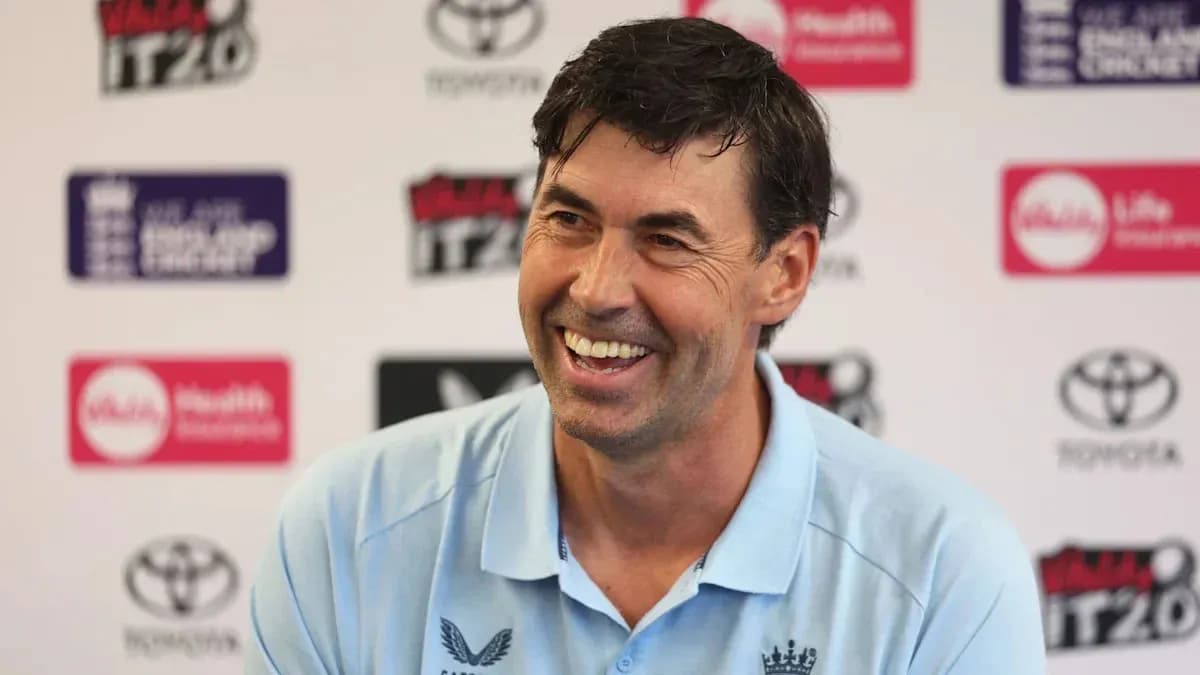
Stephen Fleming walked into his first media briefing as England’s new Test coach and did something very un-English. He embraced the Ashes obsession.
Not just accepted it. Claimed it.
“New Zealand has an obsession with it, we love it,” he told BBC Sport. “We want to beat the Aussies.”
For a man who spent his playing days as Australia’s “little cousin”, the phrase came with a familiar edge. This time, though, he’s speaking for England.
The next Ashes series arrives in the UK next summer. England haven’t beaten Australia in a series since 2015. They’re still carrying the bruises of last winter’s 4-1 hammering down under. Fleming knows exactly what he’s walking into – and he wants all of it.
“You don’t think you’re ever going to get that opportunity,” he said. “To have that opportunity and be part of it, I can’t wait.”
A New Zealander in charge of England, targeting Australia. The symmetry will not be lost in the away dressing room at Lord’s when the urn is on the line again.
From “little cousin” to grown-up in charge
Fleming arrives with a reputation. Former New Zealand captain. Tactical heavyweight. Serial winner in franchise cricket. But there is a ghost he can’t shake: he never won a single one of his 14 Tests against Australia.
Now he inherits an England Test side still trying to work out exactly what it is after the wild ride of Brendon McCullum and Ben Stokes.
McCullum, his old team-mate and long-time friend, was removed as Test coach earlier this summer after just two wins in his final 10 matches, including that crushing tour of Australia. He stays on as white-ball boss; Fleming steps into the red-ball chaos.
The contrast between the two men is sharp and, crucially, one Fleming understands perfectly.
“I’ll bet on the favourite and he’ll bet on the longest odds possible,” he said with a smile.
Under McCullum and Stokes, England thrilled, attacked, and at times ignored the reality of conditions and match situations. The criticism was consistent: brilliant when it came off, naïve when it didn’t. Not enough adaptability. Not enough attention to detail.
Fleming isn’t here to pour cold water on flair. But he is here to put a frame around it.
On style, substance and that dreaded word “brand”
Asked whether a Test side needs a brand or fixed style, Fleming cut against the marketing talk that has surrounded “Bazball”.
“I don’t think so,” he said. “The greatest thing for a team to do is to be able to play conditions and situations.”
That is pure Fleming: pragmatic, situational, built around preparation.
“I’d love people to say we are well-planned, there’s a discipline and a really strong basic structure to what we’re doing, but there’s also a bit of flair.”
Not a slogan. Not a hashtag. A structure, with room to breathe.
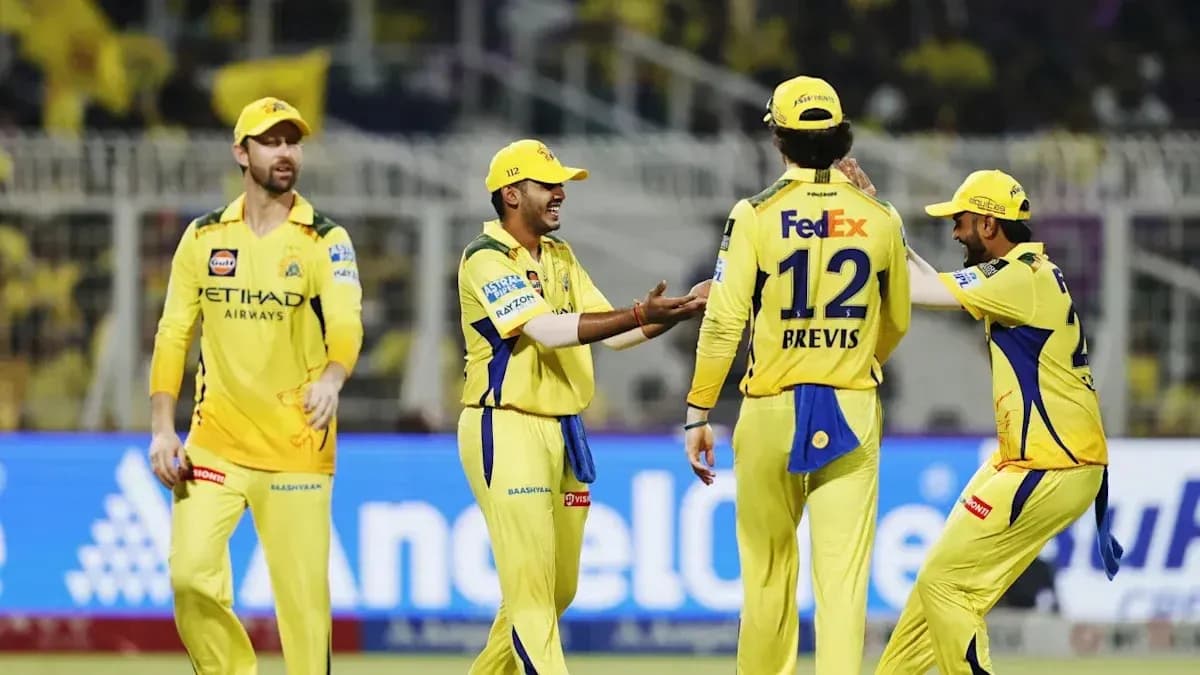
Those who have worked with him at Chennai Super Kings speak of a coach who can lighten a room with a joke one minute and dissect a game plan with forensic clarity the next. He hinted at that duality here too, joking about turning up in fancy dress at CSK to ease pressure, and quipping he has a “stress fracture of the left ear” after weeks of calls with players and staff.
But beneath the humour was a clear message: this England side will be less about long shots and more about percentages.
Discipline under the microscope
If tactics were one fault line of the McCullum era, discipline was another.
The final months of his reign – and even the period after his departure – were dogged by late-night drinking controversies. The latest flashpoint came with England fast bowler Brydon Carse, who was investigated by Derbyshire Police over an alleged assault last month. Police have now closed the case with no action, but Carse still faces an investigation from the Cricket Regulator and has not featured in any England squad since the incident.
Fleming did not duck the issue.
“There are standards,” he said. “We pick on runs and wickets primarily, but I think it’s foolish not to also say there are standards that need to be set.”
He went further.
“You need to behave in accordance with your position. We’re in a very privileged position, and it’s understanding that privilege and what goes along with it. It can’t be convenient.”
That line will echo in dressing rooms. No more doing the right thing when it suits.
“You’ve got to live it every day. If we can create something when you want to live it every day and better, then that’s really powerful.”
For players on the fringes, especially those with disciplinary clouds hanging over them, that sounded like a warning as much as a philosophy.
Stokes off-limits
Fleming’s early days in the job have been busy. He watched England beat Sri Lanka in the third T20 at Old Trafford on Saturday, toured counties across the country, and met with Stokes during Durham’s draw against Worcestershire.
Stokes’ abrupt retirement from international cricket in July left a hole that cannot be patched with a simple selection meeting. Fleming knows him well from their time together at Chennai Super Kings, where Stokes played under his leadership in the IPL.
If there was any temptation to lean on that relationship and try to lure him back, Fleming shut it down.
“He was in a great space, really happy, enjoying his time with Durham,” Fleming said. “He’s got a good winter planned with the family and is very much at peace with his decision.”
The respect in his voice was obvious.
“When a player makes that decision to retire, I respect that decision 100%. To try to turn that around and question that is wrong. I know how much goes into that type of decision, and I respect that.”
England fans may crave a late twist, a Stokes U-turn in time for South Africa or even the Ashes. Fleming is not going to be the one to force it.
‘Flemball’ and the end of the long odds
With any new coach comes the inevitable search for a label. If “Bazball” dominated McCullum’s tenure, “Flemball” has already been floated, and Fleming was quick to swat it away, joking it sounded more like a “medical condition”.
But the comparison between the two men will hang over this team for months.
McCullum was the freewheeling gambler, the man who would always chase the longest odds. Fleming, by his own admission, backs the favourite. The sense from this first public outing was of a coach calm, measured and quietly authoritative – a “big brother” figure in a split-coaching set-up that has often felt fractured for England.
He also made one point that will please traditionalists: the World Test Championship matters to him. England’s previous indifference to the competition jarred with the seriousness with which other nations approached it. Under Fleming, that attitude will change.
He will miss the Pakistan series because of family and commercial commitments, but the real judgement starts in December, when England head to South Africa for his first Test assignment.
By then, the phone calls will be done, the ear will have healed, and the jokes about “Flemball” will either have faded or taken on a life of their own.
What will remain is the standard he has already set in his words: a disciplined, well-planned, adaptable England, still allowed their flair, but no longer chasing every long shot on offer.
The Ashes obsession is alive and well. Now it has a strategist in charge who has spent a lifetime trying – and failing – to beat Australia. The question is simple: can Stephen Fleming turn that lifelong frustration into the edge England have been missing when the urn comes back into view next summer?