Stephen Fleming's Ambition as England's New Test Coach
Stephen Fleming walked into his first media briefing as England’s new Test coach with a simple message and a familiar target.
“I want to beat the Aussies.”
No caveats. No softening. Just the old obsession, embraced and amplified.
A New Zealander, Same Old Rival
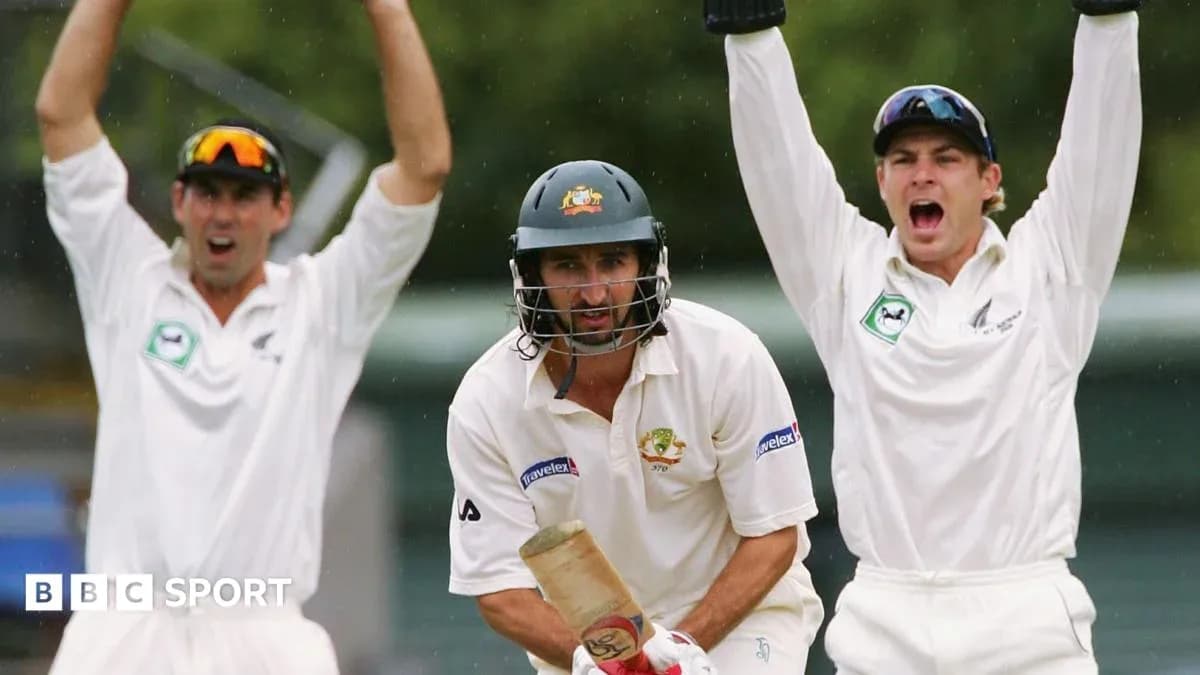
Fleming knows what it is to live in Australia’s shadow. As former New Zealand captain, he spent a career chasing the game’s dominant force and never once tasted victory in 14 Tests against them. That history has not dulled the edge. It has sharpened it.
Like Brendon McCullum before him, Fleming arrives from across the Tasman, but he described New Zealand as the “little cousin” to Australia, forever measuring itself against the neighbour. Now he finds himself at the heart of English cricket’s own fixation.
Asked whether England are too obsessed with the Ashes, he barely let the question breathe.
No, because I have an obsession with it as well. New Zealand has an obsession with it, we love it. We want to beat the Aussies.
The next Ashes series, in the UK next summer, looms large. England have not beaten Australia in a series since 2015 and are still nursing the bruises from last winter’s 4-1 hammering down under. Fleming has walked straight into that emotional furnace and appears perfectly happy there.
“We’re heavily linked to England performances,” he said of New Zealand’s own rivalry with Australia. “We have a deep desire to beat Australia in everything, as the little cousin. We are linked, and I’m incredibly excited about being part of it.
“You don’t think you’re ever going to get that opportunity. To have that opportunity and be part of it, I can’t wait.”
From Bazball to the Bookmaker’s Favourite
Fleming takes over from McCullum, his long-time friend, former team-mate and now fellow member of England’s split coaching structure. McCullum, sacked as Test coach earlier this summer but still in charge of the white-ball side, left behind a team that won only two of his final 10 Tests, including that brutal tour of Australia.
The caricature of McCullum’s reign was of a side that thrilled, but too often gambled. The criticism was more specific: an inability to adapt to the rhythms of Test cricket and a worrying looseness around detail and discipline.
Fleming, who is business partners with McCullum, offered a neat line on how they differ.
“I’ll bet on the favourite and he’ll bet on the longest odds possible.”
There were long-odds punts aplenty during McCullum’s tenure. Fleming sounds like a man more inclined to play percentages, not strip away flair, but anchor it in planning and structure.
On the idea of a Test “brand” or rigid style, he pushed back.
“I don’t think so. The greatest thing for a team to do is to be able to play conditions and situations.
“I’d love people to say we are well-planned, there’s a discipline and a really strong basic structure to what we’re doing, but there’s also a bit of flair.”
That alone marks a shift. Less slogan, more substance.
Standards, Not Slogans
The final months under McCullum were overshadowed by late-night drinking stories and questions about culture. Those issues did not vanish with the change of coach. On Friday, Derbyshire Police closed an investigation into England fast bowler Brydon Carse after allegations of an assault last month. Carse faces no police action but now comes under the scrutiny of the Cricket Regulator. He remains eligible for England, though he has not featured in any squad since the Derby incident.
Fleming did not name Carse, but his message on behaviour was clear.
“There are standards. We pick on runs and wickets primarily, but I think it’s foolish not to also say there are standards that need to be set.
“You need to behave in accordance with your position. We’re in a very privileged position, and it’s understanding that privilege and what goes along with it. It can’t be convenient. You can’t be when it suits you to do the right things, then when you don’t want it to suit you, not.
“You’ve got to live it every day. If we can create something when you want to live it every day and better, then that’s really powerful.”
For some, that will sound like the end of the freewheeling era. For England’s hierarchy, it will sound like relief.
Calm Voice After the Chaos
Almost two months on from his appointment in July, this was the first time Fleming had properly outlined his vision. The timing is deliberate: his first assignment comes in December, a tough tour of South Africa, and he has been working in the background.
He has already been visible on the circuit. He watched England beat Sri Lanka in the third T20 at Old Trafford on Saturday and spent part of the week visiting counties, including a trip to Durham, where he met Ben Stokes during their draw with Worcestershire.
The impression he gave was calm, measured, authoritative. Exactly the sort of presence a dressing room might crave after a turbulent spell on and off the field.
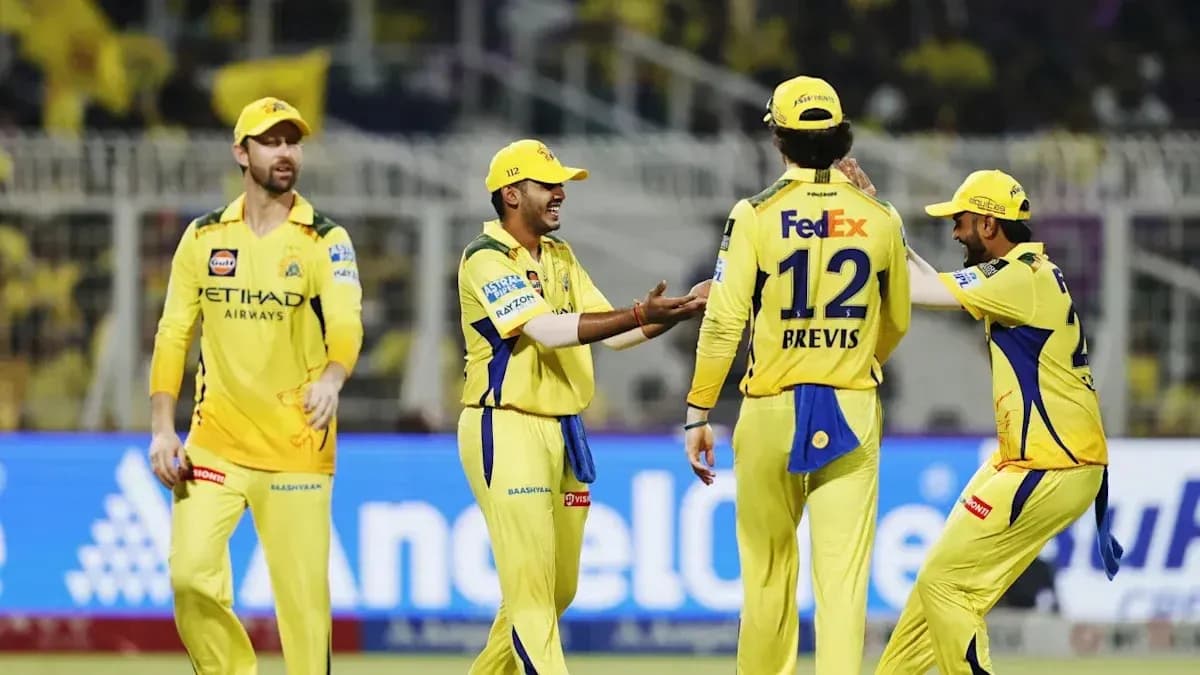
There was humour too. He joked he has a “stress fracture of the left ear” from the volume of phone calls with people around the England set-up, and laughed about occasionally turning up in fancy dress at Chennai Super Kings to loosen the mood. This is no dour disciplinarian.
But the tone, compared with McCullum’s, is different. One England insider described the Fleming–McCullum dynamic as “big brother”. On this showing, it fits. There is a sense that the grown-up has taken the wheel.
No Twist in the Stokes Tale
If there was any hope that Fleming might use his relationship with Ben Stokes to tempt him back into Test cricket, he shut it down quickly.
Stokes, who retired from international cricket in July, knows Fleming well from their time together at Chennai Super Kings in the IPL. The new coach found him content and settled at Durham.
“He was in a great space, really happy, enjoying his time with Durham,” Fleming said. “He’s got a good winter planned with the family and is very much at peace with his decision.
“When a player makes that decision to retire, I respect that decision 100%. To try to turn that around and question that is wrong. I know how much goes into that type of decision, and I respect that.”
No emotional tug, no public campaign. Just acceptance and a clear line drawn.
No “Flemball”, Just Results
Inevitably, someone asked about “Flemball”, the lazy echo of “Bazball”. Fleming dismissed it as “a medical condition”, a quip that underlined his refusal to be boxed into a marketing term.
He also made it clear he will treat the World Test Championship with a seriousness that has not always been evident from England sides. He missed the recent Pakistan series because of family and commercial commitments, but there was no sense of distraction now.
The picture that emerged was of a coach who will value preparation, adaptability and discipline over bravado. England under Fleming are likely to look more assured, more mature, more level. They may be less chaotic. They may, at times, be less fun.
None of that will matter if they start winning.
The first judgement comes in South Africa in December. The second, far bigger one, arrives next summer, when the “little cousin” from New Zealand leads England into an Ashes series they are desperate to reclaim.
He has never beaten Australia in a Test. He has built a career trying. Now he has the biggest platform of all to change that.