Stephen Fleming Takes Charge as England Test Head Coach
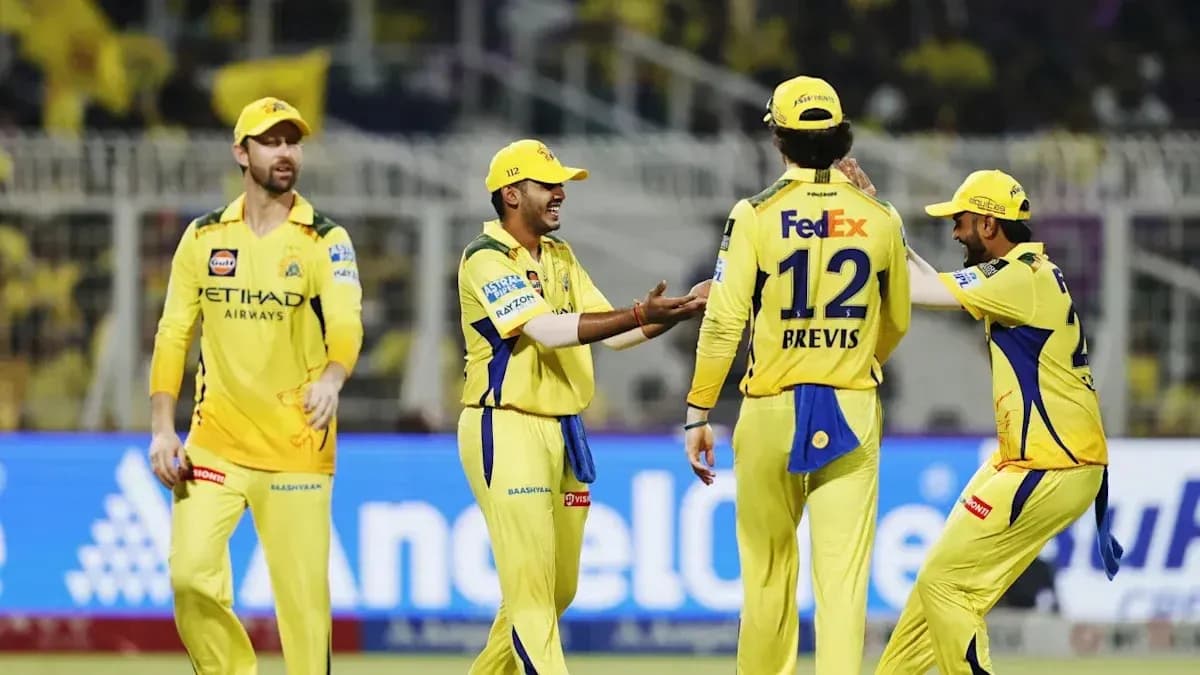
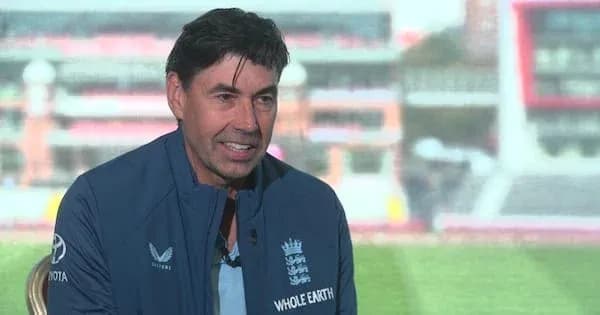
Stephen Fleming has never been afraid of a challenge. Captain at 23, statesman of New Zealand cricket for a decade, architect of a dynasty at Chennai Super Kings. Yet even by his standards, this next step feels different.
England Test head coach. The Ashes. The glare of a restless cricketing nation.
“Too good to refuse,” he told 1News, and you could almost hear the old competitive instincts crackling back into life.
From Black Cap to England’s white-ball lightning rod
Fleming has been away from the long game for a while in a formal sense. Eighteen years in the Indian Premier League, most notably as the calm brain behind Chennai’s success, had cast him as a T20 specialist in the public eye. Some questioned whether that background fit a role defined by five-day grind, not three-hour blasts.
He doesn’t see it that way.
“My DNA was playing in the whites,” he said. Red-ball cricket, captaincy, the slow-burn strategy of Tests – that’s where he believes he was formed. He grew up in the long form, then learned the white-ball arts later. In his mind, this is not a departure. It’s a return.
Fleming’s Test credentials are etched into New Zealand’s history. Ten years as Black Caps captain between 1997 and 2007. Twenty-eight Test wins, the most by any New Zealand skipper. One of the most elegant and influential batters the country has produced. He retired from international cricket in 2008, but the imprint of that era still shapes how New Zealand sees itself.
Now he will shape England.
A job that wouldn’t wait
When the England Test job opened up after Brendon McCullum’s dismissal in July, Fleming was just stepping away from the IPL grind. The timing was brutal. Barely three or four days, he said, to process leaving one role after 18 years and consider another that carries as much scrutiny as any in world cricket.
He sat down with his family. He gathered information. He talked to people inside the England set-up. And he spoke at length to McCullum, his former teammate, captain, and now business partner.
“When you soak it all in,” Fleming said, “there was something that started to burn in the stomach.” The more he learned about the job, the people, the challenge, the more that feeling grew.
McCullum’s endorsement mattered. The two share a close bond, dating back to McCullum’s debut under Fleming’s captaincy for New Zealand. McCullum, still in charge of England’s T20 and ODI sides, was “heartsore” to lose the Test role, Fleming admitted, but he spoke glowingly about the experience and the opportunity it now presented to his old skipper.
“He couldn’t have spoken more highly,” Fleming said. That honesty will continue, with the pair now needing to dovetail their visions and resources across three formats.
“It’s nice to be able to have that friendly face with that professional slant,” Fleming added. The hope inside England’s corridors is that their relationship eases the strain of player management and scheduling across Test, ODI and T20 cricket.
Picking up where Bazball shook the game
Fleming walks into a dressing room that has already been dramatically reshaped by McCullum and former captain Ben Stokes. The Bazball era changed the sport’s conversation. England went from a shambles to a side that played with an almost reckless freedom, demanding fearlessness in tactical decisions.
“It culturally changed the cricket landscape,” Fleming said. He pointed back to that early series against New Zealand, when England’s audacious run chases forced the world to “stand up and take notice.” The courage of McCullum and Stokes, he insisted, was immense.
But standards don’t stand still. Other teams adapted. The plan was “challenged” as opponents caught up. Results dipped. A 4–1 Ashes defeat to Australia at the start of the year, then a 2–1 series loss to New Zealand in June, dragged England back under the microscope.
Now Fleming must decide what to keep, what to evolve, and what to discard. He is not coming in to tear everything down. He respects what Bazball did to the sport. Yet his own instincts lean towards structure, substance, and strategy over pure adrenaline.
His focus is on “cricket smarts” – arming players to adapt when the tide turns against them, not just when the game is flowing their way.
“That’s strategy,” he said. “That’s creating an identity piece, a belonging piece, some standards.” His aim is that, regardless of format or opponent, England represent their badge with a clear, lived culture.
Kiwi steel, English expectation
Fleming knows what he’s walking into. England is not a gentle market. The Test coach’s chair sits under a permanent spotlight. He called it “the pinnacle”, a role loaded with attention and a media machine that rarely sleeps.
He also knows how different his background looks. A laid-back Kiwi, steeped in New Zealand’s sporting ethos, taking charge of England’s flagship team. Asked if that temperament fits English cricket right now, he pushed the question towards the England and Wales Cricket Board, but he did offer a glimpse of what New Zealand coaches bring.
“We don’t have the resource that other bigger countries have,” he said. That reality forces New Zealand to “look outside the square” and “squeeze everything we can out of the stone” just to compete. It’s the much-cited “number 8 wire” mentality – improvisation, ingenuity, and a refusal to waste relationships.
“You can’t burn them in New Zealand if you haven’t got much resource,” he said. The result is an emphasis on culture, connection, and clarity of purpose. You control what you can: standards, environment, and how you live the values you talk about.
That is the lens he will bring to England.
Root at the heart of the rebuild
One of Fleming’s key allies will be Joe Root. The 35-year-old, who captained England between 2017 and 2022, remains the side’s senior statesman and one of its finest batters.
Fleming likened Root’s presence to that of Kane Williamson for New Zealand – a player who “epitomises everything great about how you conduct yourself by still being a great player.” Root, in his eyes, is the example others should study and aspire to match.
He also underlined how Test cricket remains unique in one crucial aspect: it is “captained from the inside out.” That puts a premium on equipping Root and other leaders to read the game, shift tactics, and manage pressure in real time. It suits Fleming’s mind. He sees the longer format as a puzzle to be solved, a space where planning, patience and subtle adjustments matter.
He believes his style is built for that arena.
Cleaning up off the field
If the tactical side excites him, the behavioural side frustrates him. England’s recent late-night incidents – players out drinking, curfew breaches, disciplinary issues – have chipped away at the team’s reputation. Former captain Ben Stokes retired during the third Test against New Zealand and was then stood down, along with a teammate, for the second Test while under investigation for breaking a midnight curfew. A series of alcohol-fuelled episodes has shadowed the cricket.
Fleming called those incidents “disappointing.” He sees an education process ahead, a need to lift standards and expectations. Yet he won’t simply impose more rules. There will be no new midnight curfews.
Instead, he wants players to understand what representing England demands, and to police themselves within a culture they believe in. That, to him, is more powerful than another line in a team handbook.
“There’s work to be done,” he said, without softening the point.
A vision for the red-ball future
For all the noise around T20 leagues and the financial lure of the shorter formats, Fleming is clear: Test cricket still matters deeply to him. More than that, he feels a responsibility to help keep it alive.
“We have a responsibility to entertain and play the game well,” he said. That doesn’t mean turning every Test into a slog-fest. It means playing with intent, clarity, and enough ambition that fans feel the contest, not just the clock.
His vision is blunt and unapologetic. He wants England to be the best Test team in the world.
He knows the scale of that ambition. He knows the pressure that comes with it. But he is convinced there is “room to move” – space to grow culturally, to deepen that sense of belonging and purpose that players crave.
He has already missed one Test series, against Pakistan, because of prior commitments back home. He still has commentary duties to complete when India tour New Zealand for T20s. Once that’s done, he says, he will be “in a position to give it everything.”
The first major examination arrives in December, when England head to South Africa for a Test series stretching into early January. It will be a stern, uncompromising introduction.
As for facing his old team, the Black Caps, he hasn’t allowed himself to dwell on that yet. “Thankfully there’s two more years to get some performances under the belt,” he said. When it comes, he knows it will be “a good battle.”
For now, the task is clear. Take a bruised but talented England side. Honour the shockwaves Bazball sent through the sport. Add layers of strategy, discipline and identity. And try to drag Test cricket’s most scrutinised team back to the summit, at a time when the format itself is fighting for relevance.
Fleming has stepped into the furnace with eyes wide open. The question now is not why he took it.
It’s how far he can push England before the game’s longest format runs out of road.