Ryan Garcia's Triumph and Turmoil After WBC Title Win
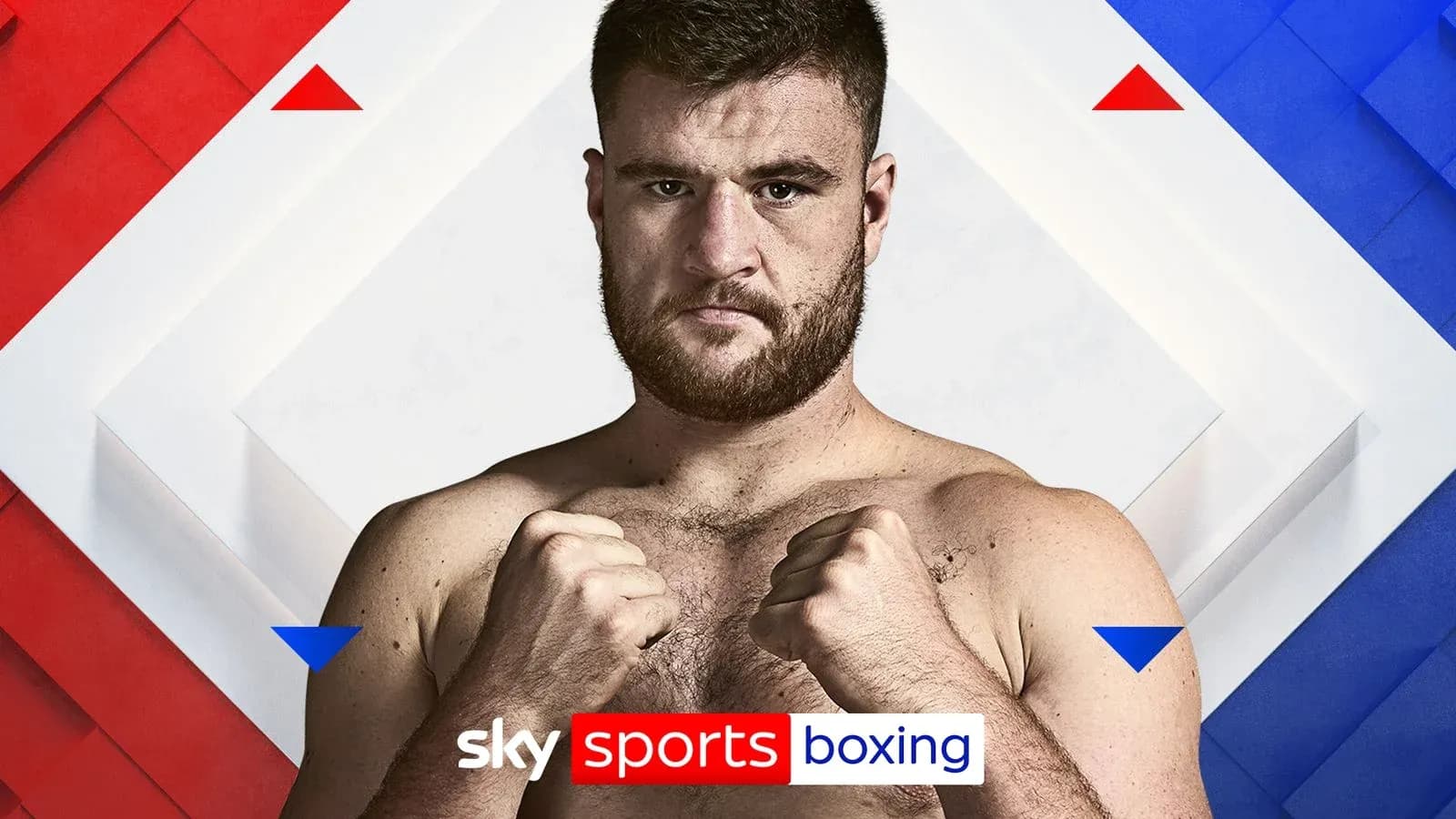
Ryan Garcia walked out of T-Mobile Arena with his WBC welterweight title, a second-round stoppage of Conor Benn, and an $8 million gate behind him.
He also walked straight into a storm.
What should have been a clean, career-defining night for Garcia and a showcase for Zuffa Boxing and Paramount+ has been hijacked by a feud that now stretches beyond the ring. Terence Crawford is at the center of it. Jake Paul has forced his way into it. And somewhere in the middle sits a broadcaster accused of losing “$10’s of millions” over a champion who won in two ruthless rounds.
A statement win, a fractured spotlight
On paper, the event was everything Zuffa Boxing wanted. Las Vegas. T-Mobile Arena. A sold-out crowd of 18,855. A global Paramount+ show, marketed as a first-of-its-kind streaming event, available to subscribers at no extra cost in most markets.
Conor Benn, one of Zuffa’s flagship signings, walked in with a long-term deal reportedly stretching through 2028 after an initial one-fight agreement said to be worth around $15 million. He walked out dismantled. Garcia tore through him, forcing a stoppage just 1:25 into the second round and underlining his status as one of the sport’s most bankable attractions.
For Zuffa and Paramount, the night looked like a commercial and competitive triumph.
Then the real fight started.
Garcia vs. Crawford: from callout to business problem
Garcia had been circling Crawford long before Benn. The WBC champion openly questioned the former undisputed king’s decision to step away from professional boxing instead of testing himself against younger elite fighters. It was a calculated poke at a legacy and a man who prides himself on never ducking a challenge.
Crawford, retired but never silent, fired back each time. After Garcia flattened Benn, the tone changed. It got personal.
Speaking to Ariel Helwani, Garcia let the resentment spill:
“He’s jealous of me. He knows that. He can’t deny that fact in him. He’s like, Damn, I don’t really like this f***er. Cool. Jealousy, motherf***er. I’ll beat the f*** out you. I’ll beat the jealous out of you.”
Crawford mocked the idea of a retired great being chased by an active champion and told Garcia to concentrate on fighters who are actually in the game. Garcia’s response was blunt: “Okay, so let’s square up, bro, on or off the ring. I’m ready to handle this.”
That kind of talk usually sells fights. Here, it’s selling a different story: a clash between a star’s ambitions and the business plans built around him.
Enter Jake Paul
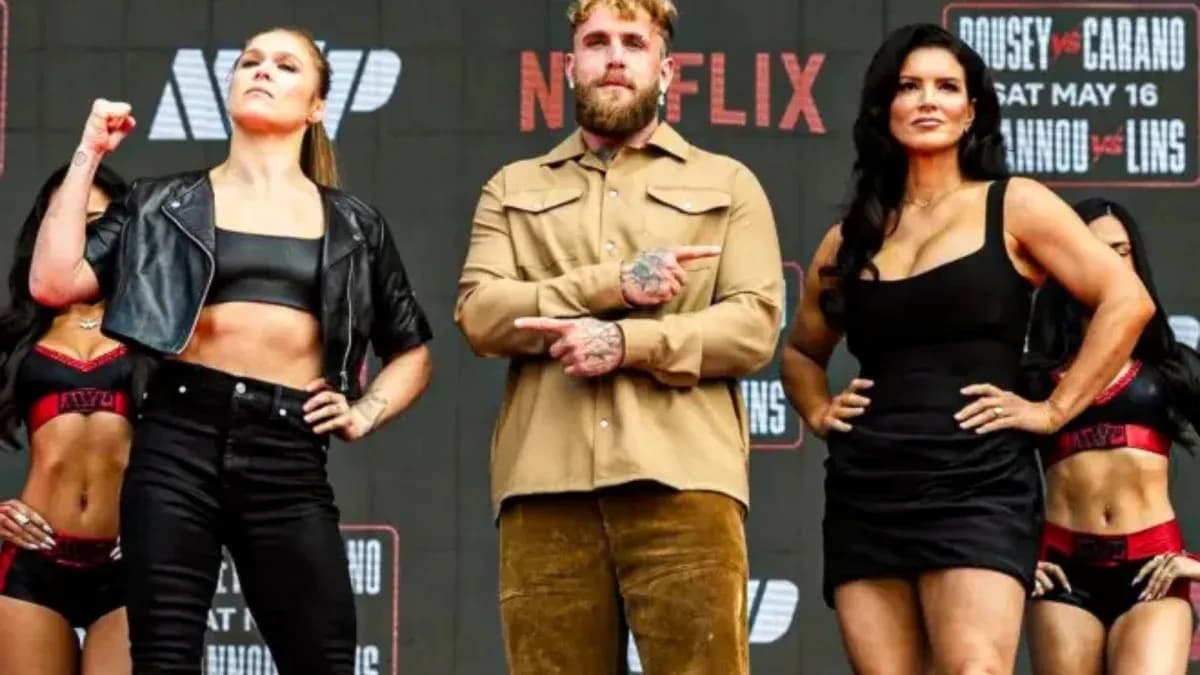
Just as the argument with Crawford began to dominate the post-fight narrative, Jake Paul stepped in and kicked the hornet’s nest.
In a now-deleted social-media post aimed squarely at Garcia, Paul wrote:
“Brother, you need to stop the bulls**it. Crawford would take you down in two seconds and beat your a** in the streets. And so would I.”
Then came the line that turned a boxing beef into a corporate headache:
“You just lost Paramount $10’s of millions. Only thing your the face of is that white power.”
The number Paul threw out has not been backed by any independent reporting. There is no confirmed evidence that Paramount lost tens of millions over Garcia’s post-fight behavior. It remains an accusation, not a verified figure.
But the accusation landed because it touched a raw nerve: the fear that a volatile star, fresh off a major win, might be steering his momentum away from the fights his broadcaster and promoter want—and toward a retired legend who currently has no interest in coming back.
Old friends, old offers, new bad blood
Paul’s attack did not come from nowhere. He and Garcia were once on good terms, trading public support and the occasional playful jab. That shifted when business entered the picture.
Paul had previously floated Garcia as a potential opponent after a planned exhibition with Gervonta “Tank” Davis fell apart. Garcia turned down an offer widely reported to be in the $20 million range, choosing instead to chase a world title shot against Mario Barrios.
Explaining that decision to Shannon Sharpe, Garcia framed it as a choice between fast money and real legacy.
“I was offered Mario for a world title, and I said to myself, ‘If I’m always chasing money, I’m a real boxer, you know, and I have a world title on the line,’” he said. “And I just knew you chase money; nothing good comes out of it, right? I’ve done it before.”
“I’ve made this mistake before. Don’t chase the money…And then this little carrot came wiggling at me. I was like, nah, that doesn’t seem right. It’s temptation. I’m going to stick to what I know. And ultimately, I’m getting, you know, well, getting paid a lot of money for this fight. So, it’s like it worked out for me.”
He got the belt. He got the Benn fight. He got the big stage. Paul, though, clearly hasn’t forgotten the rejection—or the narrative that Garcia chose “real boxing” over a spectacle fight with him.
So when Paul claims Garcia is costing Paramount money by chasing Crawford, it carries a personal edge. It also carries a promotional one. A focused, in-prime Garcia is a powerful bargaining chip for Zuffa and Paramount. A Garcia obsessed with a retired Crawford is harder to plug into neat, marketable matchups.
Zuffa’s gamble, Paramount’s concern
Benn’s signing was a bold declaration from Zuffa Boxing that it intended to be more than a curiosity in a crowded market. Locking him into a long-term deal signaled a plan: build events, build rivalries, build stars.
Garcia wrecked that script with clinical brutality.
From a pure sporting perspective, it was ideal for Garcia. He defended his WBC title with authority, adding Benn to a run that already included winning the belt from Mario Barrios. From a business angle, it created a new centerpiece: Garcia as the face of Zuffa’s welterweight ambitions and a central pillar in Paramount+’s boxing strategy.
Paramount had rolled out the red carpet, branding Garcia–Benn as a global showcase. Now, instead of talk about who Garcia fights next under that banner, the conversation is tangled in a feud with a retired great and a YouTube star accusing the champion of sabotaging the very machine that just elevated him.
Paul’s argument is simple: by chasing Crawford, Garcia risks tying up his future in a fantasy fight that may never happen, instead of stepping into lucrative, immediately available matchups that keep broadcasters and promoters happy. Whether that translates into actual lost tens of millions is another matter entirely—and one that remains unproven.
A career rebuilt, a crossroads reached
Garcia’s path to this point has not been clean. In 2024, the New York State Athletic Commission handed him a one-year suspension after he tested positive for the banned substance ostarine. His win over Devin Haney was wiped to a no-contest. He forfeited his disclosed purse and paid a $10,000 fine.
That kind of stain can linger. Garcia has tried to scrub it with activity and results.
He claimed the WBC welterweight crown by beating Barrios. He then demolished Benn in Las Vegas, a performance that reinforced why broadcasters and promoters still see him as one of boxing’s most marketable champions. The punches were sharp, the finish ruthless, the reaction instant.
Now comes the choice.
Crawford has shown little appetite to undo his retirement for Garcia. After their latest round of barbs, he pointed Garcia toward the active names: Devin Haney, Keyshawn Davis, Shakur Stevenson, Richardson Hitchins, Teofimo Lopez. Those are fights that fit neatly into the present tense of the sport.
Garcia has talked up Lopez and other major players as potential opponents. Those options are real. They are sellable. They are ready.
The Crawford rivalry, for now, lives on social media, not in negotiations.
Paul’s intervention has turned that distinction into a flashpoint. What started as a champion calling out a retired icon has mutated into a larger argument about who really steers a star’s career—fighter, promoter, broadcaster, or the loudest voice online.
Garcia just walked through one of Zuffa Boxing’s prized signings and delivered the kind of finish that makes highlight reels and future trailers. The question now is not whether he can command the stage.
It’s whether he’ll use that stage to chase the ghosts of Crawford, the provocations of Paul, or the live threats waiting in his own division.