Five Lessons from Canelo Alvarez's Return and the Challenges Ahead
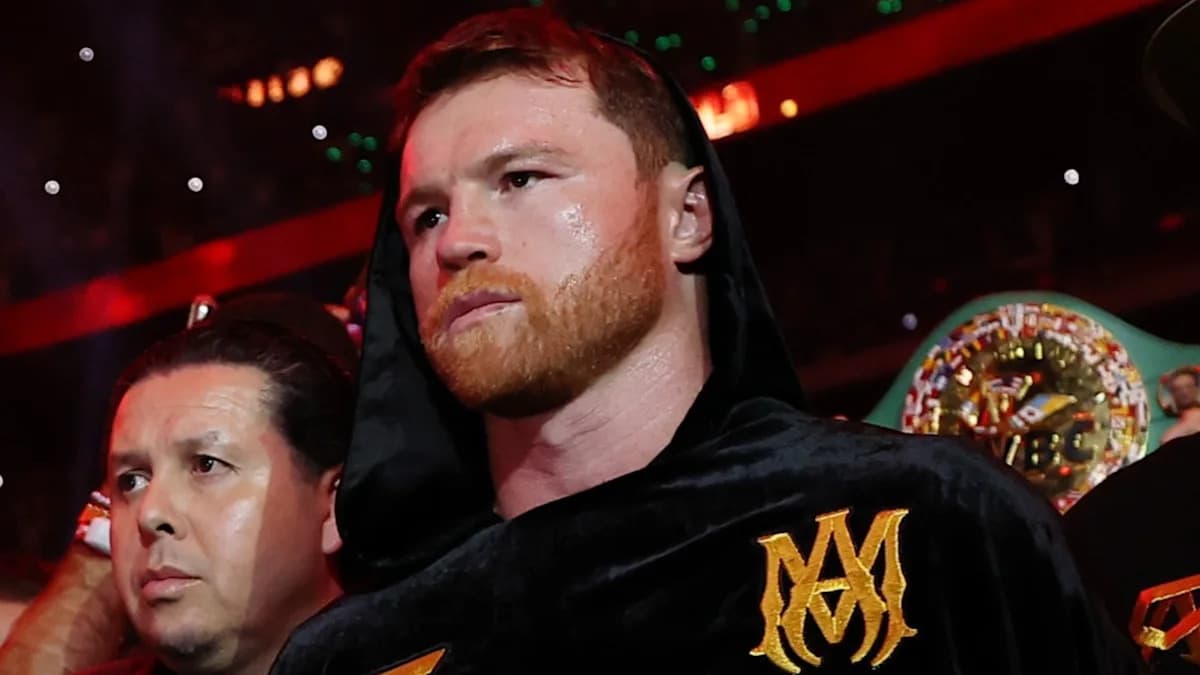
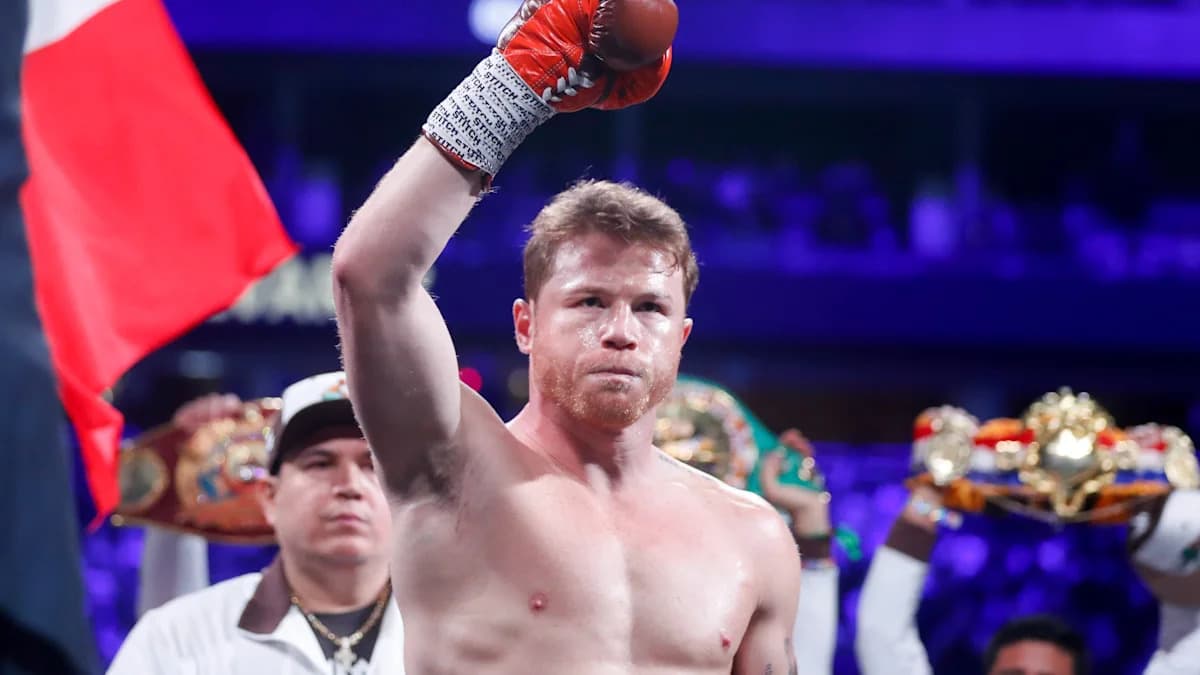
At 36 years old, Canelo Alvarez showed he still dominates in the ring. Facing Christian Mbilli in Riyadh, Canelo secured a clear victory, walking away with the WBC super middleweight title. The fight highlighted not just his skill but also raised questions about the quality of challengers left in his division.
1. Canelo Outfoxed Mbilli’s Pressure
Mbilli came in known for relentless pressure and physicality, yet against Canelo, his usual high-volume attack fell flat. Compared to his previous fights, Mbilli landed fewer punches—about 10.6 per round versus over 20 in past bouts—and his accuracy dropped to roughly 17.5%. He threw more jabs but fewer power punches, reflecting difficulty breaking through Canelo’s defense.
Interestingly, Mbilli increased his punch output in the second half, throwing 38 more punches but landing just one additional hit. Instead of being overwhelmed by the big stage or opponent, Mbilli was neutralized by Canelo’s jab, positioning, and sharp counterpunches. Alvarez set the pace, forcing Mbilli to hesitate and preventing him from establishing his rhythm.
2. Jaime Munguia Shows He's the Opposite of Reynoso’s Style
Eddy Reynoso is famed for shaping fighters like Canelo into disciplined, defensive strategists. Yet Jaime Munguia, who also trains under Reynoso, fights quite differently. In a rough bout against Nikita Zon, Munguia relied on toughness and aggression rather than defense, surviving a sixth-round scare to win a unanimous decision.
Munguia’s weaknesses remain clear: vulnerability to uppercuts, getting caught in exchanges, and lack of defensive responsibility. Despite three camps with Reynoso, these flaws persist. His upcoming fight against Bektemir Melikuziev could expose these gaps if Melikuziev proves stronger and more disciplined.
3. Who’s the Real Challenge at 168 Pounds?
With Reynoso preferring Canelo to stay at 168 pounds, the super middleweight division looks thin on credible threats. Munguia holds the WBA belt but is unlikely to be a future opponent, especially after his loss to Canelo in 2024.
Among contenders, Hamzah Sheeraz stands out for size and power but has shown inconsistency. Lester Martinez, the interim WBC champion, has some wins but a split draw with Mbilli—who Canelo defeated easily—raises doubts about his threat level. Osleys Iglesias, IBF champion and a powerful southpaw, might be the toughest challenge, having stopped 15 of 16 opponents. Still, Iglesias lacks the commercial clout to make a big splash.
4. Dana White’s Criticism of Boxing Production Rings True
UFC CEO Dana White has criticized boxing’s slow event pacing, and Saturday’s broadcast made his point hard to ignore. The pay-per-view frequently cut away for lengthy studio segments, stretching the night with interviews, analysis, and filler rather than focusing on the fights.
This isn’t a knock on broadcasters like Kate Abdo or Chris Mannix, who did well with what they had. The problem lies with event organizers sticking rigidly to schedules, even when fights end early. Other combat sports like Bare Knuckle Fighting Championship run their cards efficiently, respecting viewers’ time.
5. Risk Was Real Despite a Smooth Event
Riyadh was under a real threat during fight week, with missile attacks targeting public places, including an airport attack that killed over a dozen people earlier in October. City residents received alerts warning them to stay indoors due to hostile aerial threats.
Given this backdrop, holding a major sporting event felt reckless. Even though the fight proceeded without incident, the risk was undeniable. As Riyadh aims to become a fight hub under Turki Alalshikh, ongoing issues like event pacing and security concerns suggest it’s not ready to rival established venues like Las Vegas anytime soon.