Rashid Latif Criticizes PCB After Lord's Defeat: 'Worst Board in 70 Years'
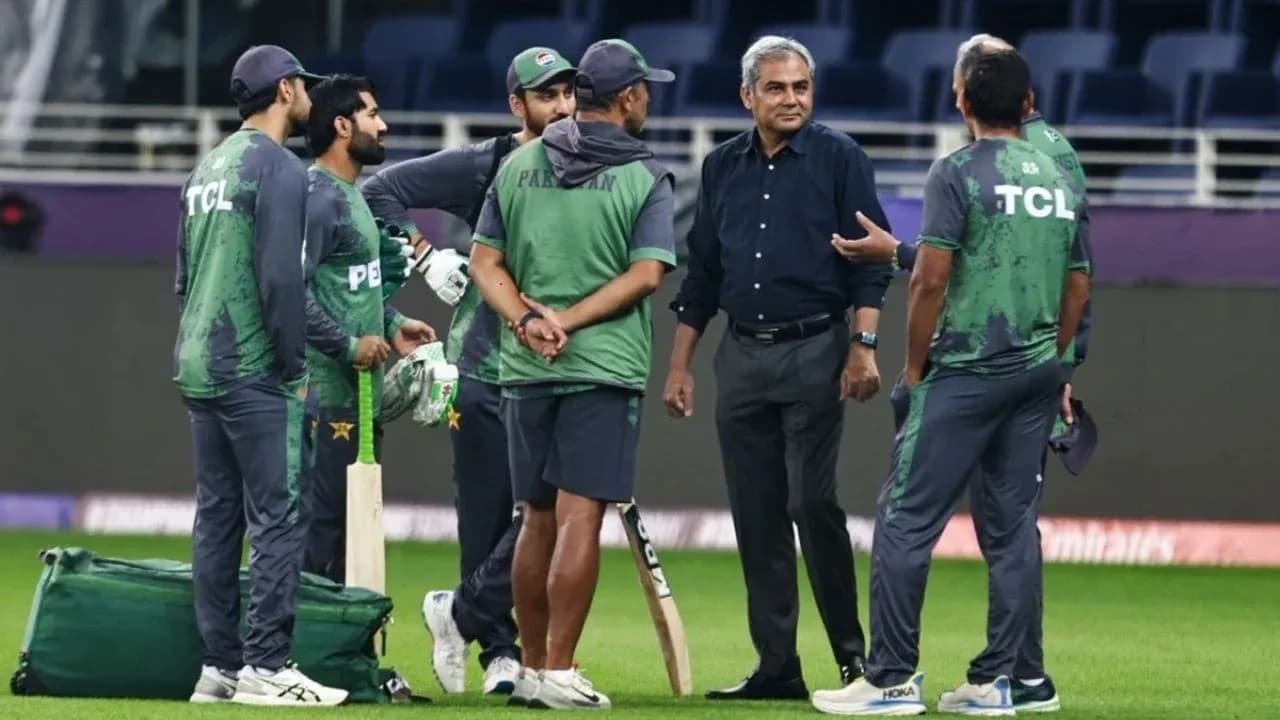
Pakistan’s latest collapse at Lord’s has not just deepened a wretched tour of England – it has detonated a furious backlash at home, led by former wicketkeeper-batter Rashid Latif, who has branded the current Pakistan Cricket Board set-up “the worst in the last 70 years”.
Babar Azam’s side were thrashed by 194 runs on Sunday, August 30, as England surged to an unassailable 2-0 lead in the three-match series. The margin was brutal. The pattern, depressingly familiar.
Across two Tests, Pakistan have not reached 200 in a single innings. Their batting has buckled repeatedly, their confidence stripped bare under English skies. British media have lined up to label this the weakest Pakistan team to tour in half a century.
Latif agrees with the assessment – but refuses to let the players stand alone in the dock.
“Worst in 70 years”: Latif goes after the system
Speaking on Geo News, Latif launched a stinging attack not just on the team, but on the entire cricketing structure behind it.
“Everyone is talking about the Pakistan team, and how it is the worst touring team in the last 50 years. But nobody is speaking about how the current board is the worst in the last 70 years. Nobody is talking about the worst selection committee and coaches,” he said.
He did not stop there.
“If you combine these issues, you will get the answer to your question. You will know who has ruined this team. Now you are losing consistently. This is the worst cricket board, that's a fact.”
It was not a gentle nudge for reform. It was an indictment.
Latif’s comments cut directly at the PCB administration, the selection committee, and the coaching staff, insisting the rot is institutional rather than merely a matter of out-of-form batters or misfiring stars.
Batting in ruins, captain under fire
On the field, the numbers tell their own bleak story.
Pakistan have failed to cross 200 in any of their four innings so far in the series. The top order has folded, the middle order has offered little resistance, and tailenders have been left to fend off relentless English pace and movement.
Babar Azam, who missed the opening Test but returned at Lord’s to steady a fragile line-up, endured a miserable comeback. He managed just eight in the first innings and six in the second, his dismissals symbolic of a captain searching for rhythm and answers.
His second-innings exit captured Pakistan’s plight in a single moment. Jofra Archer dug in a sharp, rising delivery; Babar failed to cope, and with him went another sliver of Pakistan’s hope. The scoreboard moved, the pressure mounted, and England tightened their grip.
The failures have not just been technical. They have been psychological. Every collapse has fed the next.
Off-field storm at Lord’s
The Lord’s Test unfolded against a turbulent backdrop.
An 18-minute interview with Imran Khan’s sons, aired by Sky Sports, focused on the former Pakistan captain and prime minister’s imprisonment and political situation. The broadcast sparked controversy and triggered reports that the PCB had considered pulling Pakistan out of the match in protest.
Those claims were swiftly pushed back. Both captain Babar Azam and head coach Sarfaraz Ahmed denied that Pakistan had ever contemplated abandoning the Test over the interview.
Even so, the noise off the field only added to a tour already weighed down by scrutiny and criticism. As the team struggled in the middle, the narrative around them grew louder, harsher, more unforgiving.
One Test left, and a whitewash to avoid
From here, the road does not get easier.
Pakistan now head to Edgbaston in Birmingham for the third and final Test, starting September 9. The series is gone. The question is whether they can salvage anything from the wreckage.
A 3-0 scoreline would deepen the sense of crisis and add even more force to voices like Latif’s, who see structural failure rather than a temporary dip. A fighting performance, even in defeat, might at least offer a glimpse of resilience and a platform for whatever comes next.
Right now, though, Pakistan stand at a crossroads: a team bruised, a board under fire, and a tour that has turned into a referendum on how the country runs its cricket.