Rain Disrupts Tiebreak Drama at US Open
Rain, tension and a storm over scheduling – Court 7 had all of it.
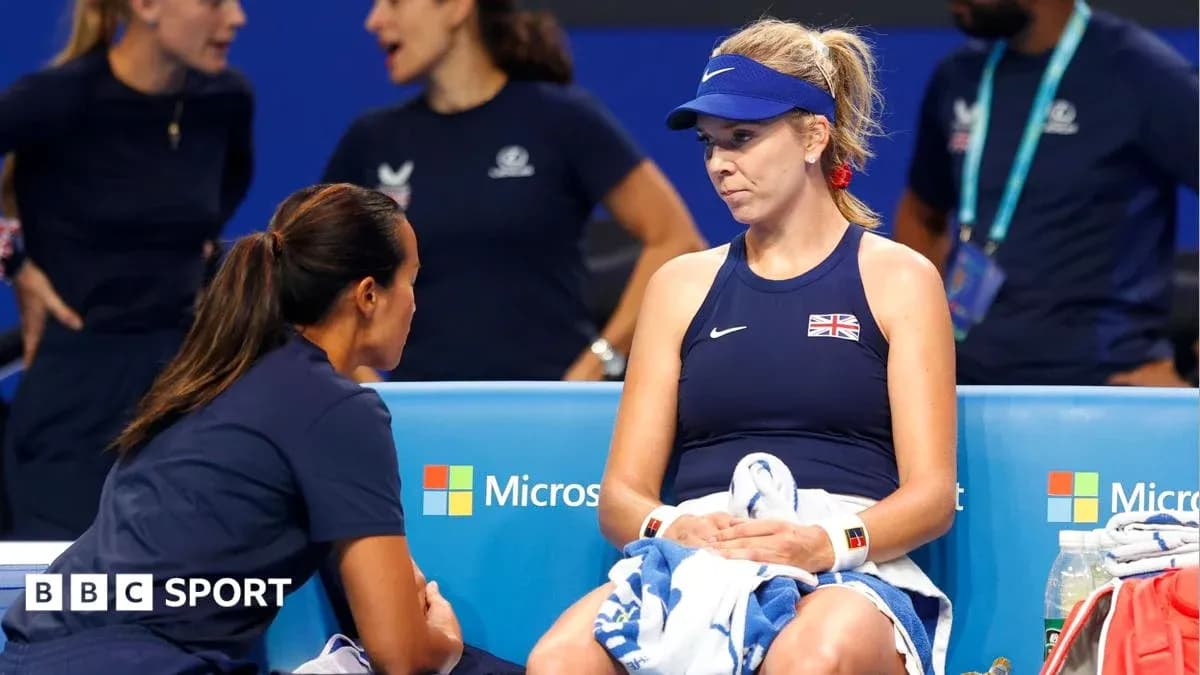
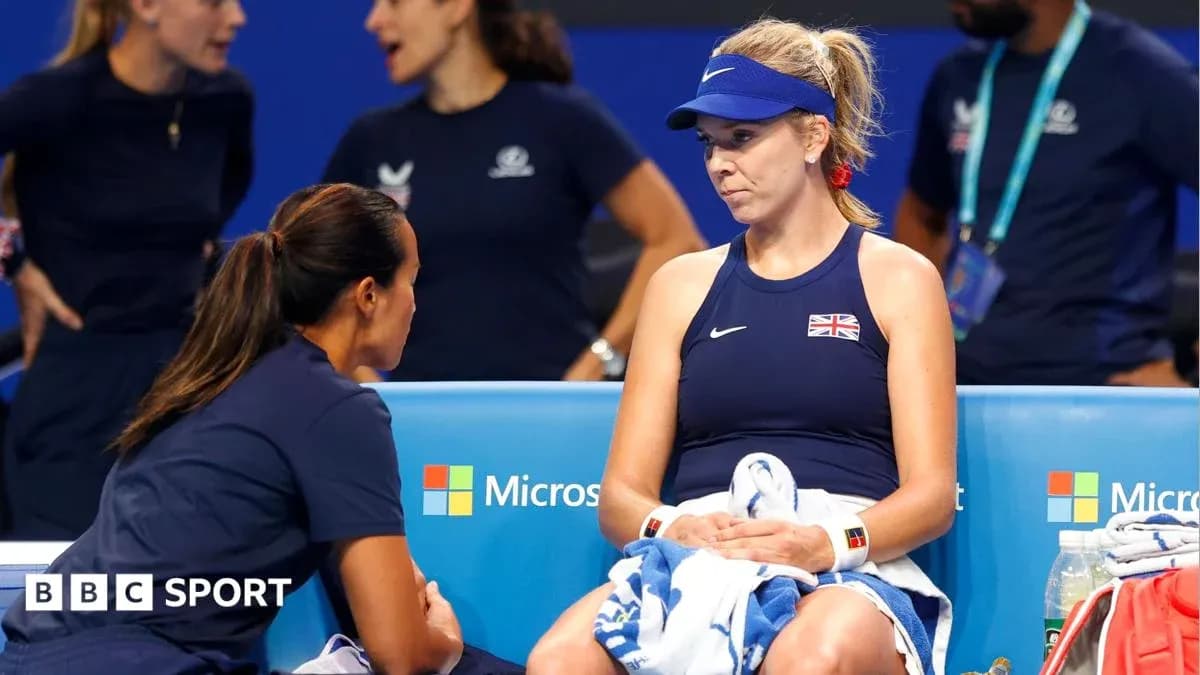
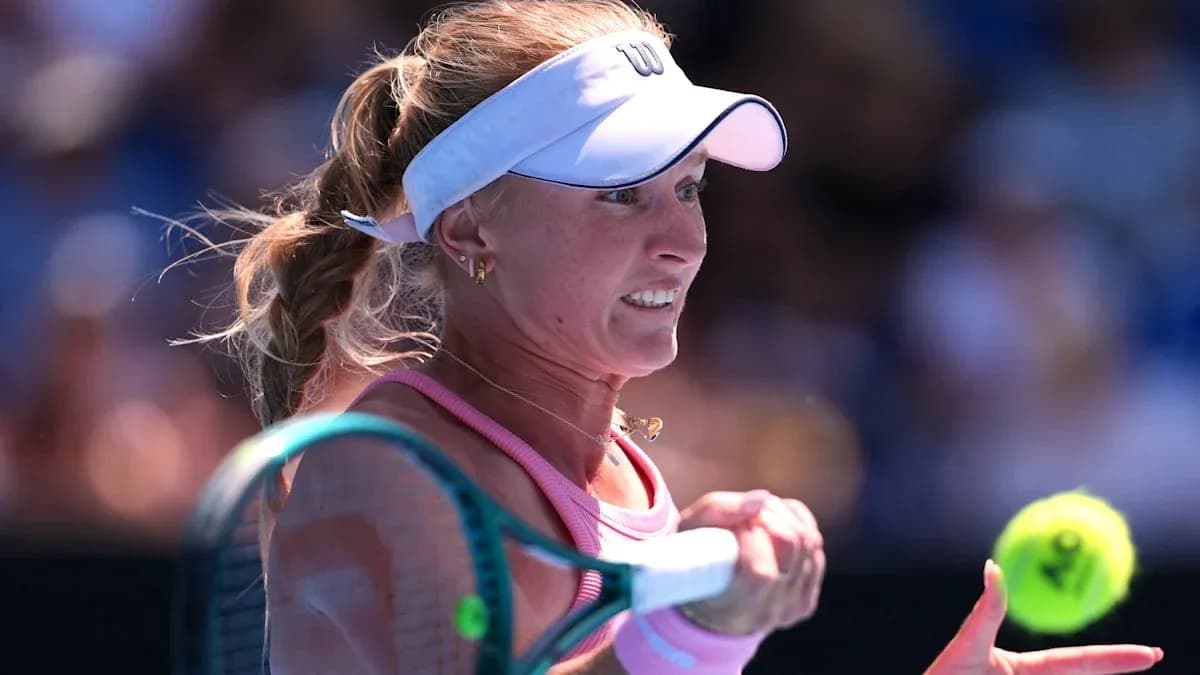
Kim Birrell stood at 3-3 in a second-set tiebreak against Petra Marcinko when the skies finally joined the contest. Umbrellas went up, players sat down, and the drama froze mid-point.
“Some rain drops coming down here, just to add to the drama,” Brenton Speed said on Nine, as the players waited out the delay. Birrell, already a set down, must win the breaker to force a decider. The stakes could hardly be higher, which only sharpened the timing of the interruption.
“What a time to stop play here,” Jelena Dokic said. No exaggeration. At 3-3 in a breaker, a single lapse can decide the set, and possibly the match.
“It’s tough for both players,” Dokic added. “If you play a couple of loose points here, the tiebreak is basically done.”
The match had already been moved forward on the schedule to dodge the worst of the wet forecast. The weather caught up anyway.
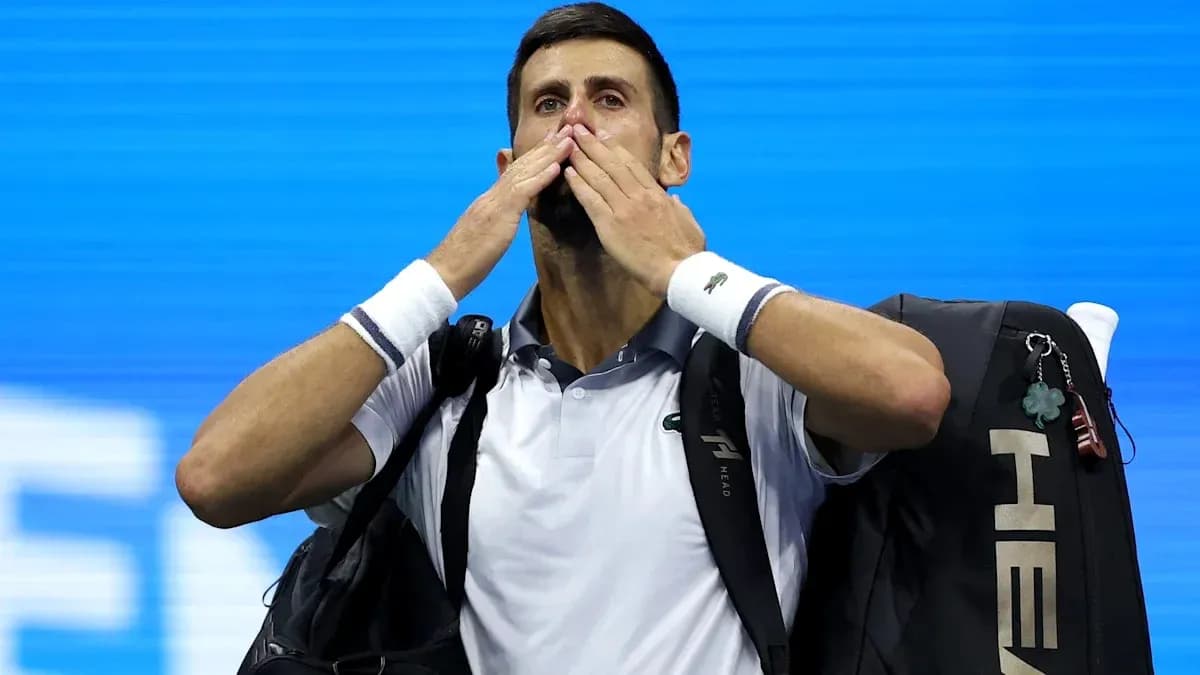
Even Novak Djokovic wasn’t immune. His match on Arthur Ashe Stadium also halted, though the closed roof quickly turned that into a brief pause rather than a full-blown disruption. On the outside courts, there is no such luxury. Players wait. Momentum cools. Anxiety doesn’t.
While the rain toyed with the tennis, another storm gathered around the man running the tournament.
Craig Tiley, the former longtime Australian Open boss now in his first US Open as tournament director, is already under pressure. Just months after taking the top job in the United States, he pushed through a significant change: stretching the first round over three days instead of two.
It is a model he knows well. The Australian Open made a similar move years ago, starting on a Sunday. Back then, Tiley framed it as a solution to early-round marathons that routinely spilled well past midnight.
This time, though, the reaction has been far less forgiving.
With thousands of fans on site and rain limiting play, the extended schedule has left large parts of the grounds with less live tennis than many expected. The optics are ugly: packed stands, idle courts, and a feeling that the new format has thinned the product on any given day.
One critic, James Denman, did not hold back, tweeting: “the USTA seems to have genuinely f---ed the US Open. I know it’s always busy but this just reads... awful”.
Tiley had set out a very different vision on Sunday. At his press conference, he spoke of turning the US Open into “tennis Disneyland” – a sprawling, immersive experience built around more than just what happens between the tramlines. He has already boosted prize money, another move designed to underline ambition and scale.
For now, though, the picture is simpler: players huddled under umbrellas on Court 7, a tiebreak hanging in the balance, and a tournament director discovering that in New York, even a dream of Disneyland can be washed out by a few well-timed drops of rain.