Rafael Nadal's Path to Real Madrid's Boardroom
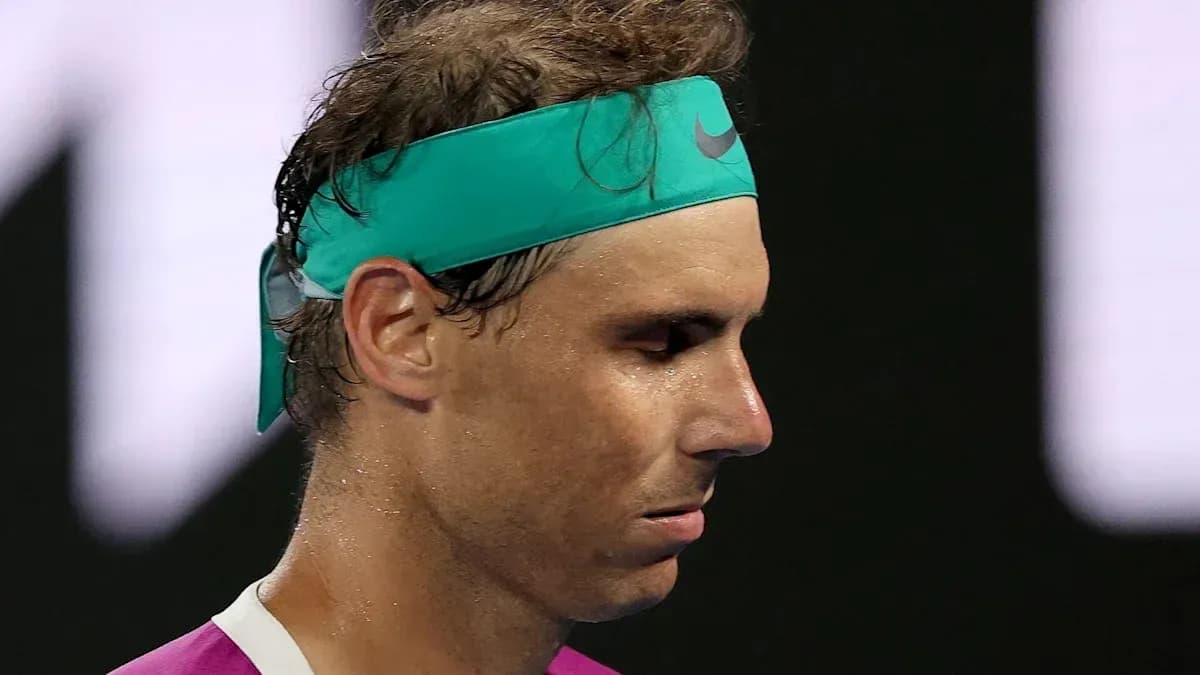
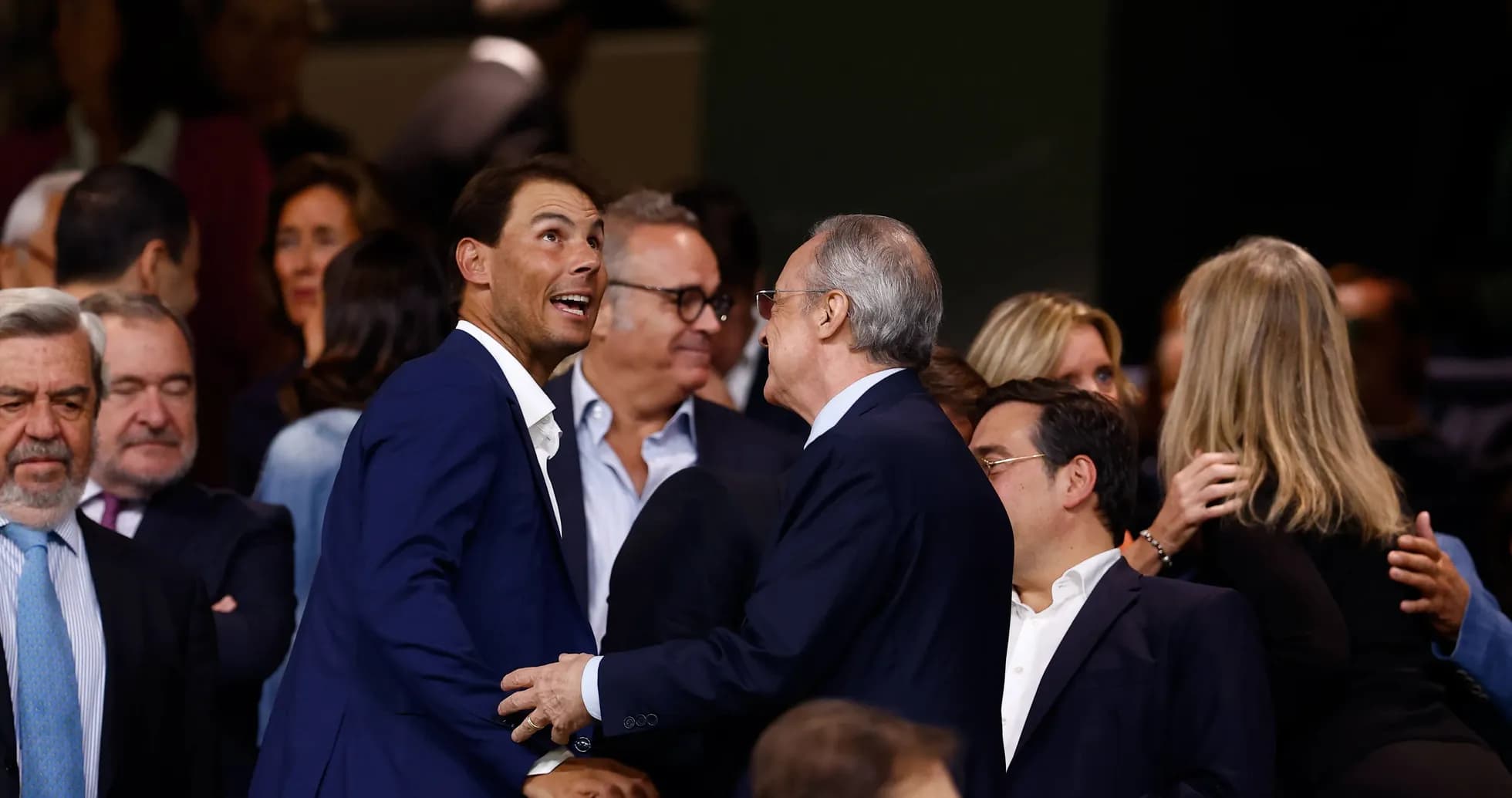
Rafael Nadal has spent a career mastering centre courts. Now he is edging towards the centre of power at the Santiago Bernabeu.
Real Madrid have nominated the 22-time Grand Slam champion for a place on the club’s board, a move that goes far beyond a polite nod to a national hero. If ratified by the general assembly on 21 November, as reported by Spanish newspaper Marca, it could mark the quiet beginning of a path that one day leads to the presidency and a succession to Florentino Perez.
This is not just decoration. Not at Real Madrid, and not with Nadal.
From the baseline to the boardroom
The club’s announcement framed the decision in terms that fit Nadal perfectly: competitive spirit, commitment, respect for opponents. These are the traits that defined him on clay and grass; now Madrid believe they can be repurposed in the corridors of power.
Nadal himself has spoken of the chance to understand the workings of the club in depth and to play a genuine role in its running. Those around him, according to Marca, are adamant this is not a ceremonial seat. He wants to contribute, to apply his elite sporting experience to one of football’s great institutions.
It is easy to see why Madrid are opening the door.
Few names on the planet carry more weight for a future presidency. Nadal offers global recognition, a spotless reputation and a career built on 22 Grand Slam titles and two Olympic gold medals. Add a lifelong emotional bond with Real Madrid and the respect he commands inside and outside Spain, and the club gains more than a famous face. It gains a moral symbol and a media force.
The rules of the game
Romance alone does not win elections at the Bernabeu. Real Madrid’s statutes, specifically Article 40, set out strict conditions for anyone who wants to run the club.
A presidential candidate must have been a club member for 20 consecutive years. The bar drops slightly for other positions: 15 years for the vice-presidency, 10 for the rest of the board. On top of that, any aspiring president must present a bank guarantee worth at least 15% of the club’s budgeted expenses, secured against the personal assets of the board members backing the bid.
Nadal has been an honorary member since 2011, under number 67778. If his seniority counts from that date, he would only meet the 20-year requirement in 2031. On paper, that is when the door to a formal candidacy truly opens.
The board role, though, offers another potential route.
If the presidency becomes permanently vacant, the current statutes state that the board chooses one of its own members to assume the role on an interim basis, before the general assembly votes to ratify the decision. That mechanism does not erase the other statutory demands, but it places board members, Nadal included, in a privileged position should a sudden vacancy arise.
A door left ajar
Nadal has never hidden his affection for the idea of leading Real Madrid, but he has also never turned it into a campaign slogan.
In an interview with Ana Pastor on El Objetivo on La Sexta in 2024, he admitted: “Of course I would be happy with that, but it is not among my future plans.” One sentence captured the ambiguity. No intention to run, no rush to step forward, yet no desire to close the door.
Two years later, in May 2026, he distanced himself from reports linking him to Enrique Riquelme’s potential presidential bid. He underlined his respect for Florentino Perez and his focus on his own projects, while again refusing to rule out anything in the longer term.
The pattern is clear. Nadal will not declare himself a candidate. He will not attach his name to rival projects. But he will not say “never” either.
The long game at the Bernabeu
For now, this is the start of an administrative journey rather than the launch of a political campaign.
A place on the board gives Nadal something he has never had in football: a front-row seat to the internal mechanics of one of the world’s most powerful clubs. He will see how decisions are made, how budgets are built, how sporting strategy collides with commercial reality. He will gain the experience his glittering playing career could never provide.
None of this guarantees he will succeed Perez. The statutes, the financial demands, the timing of any future election or vacancy – all of it will shape what is possible.
What is certain is this: once Nadal takes his seat in the boardroom, he stops being just Real Madrid’s most famous fan. He becomes part of the machinery. And from there, the distance from the director’s table to the presidential chair suddenly looks much shorter than it did from the baseline.