Rafael Nadal and the Elusive Paris Masters Title
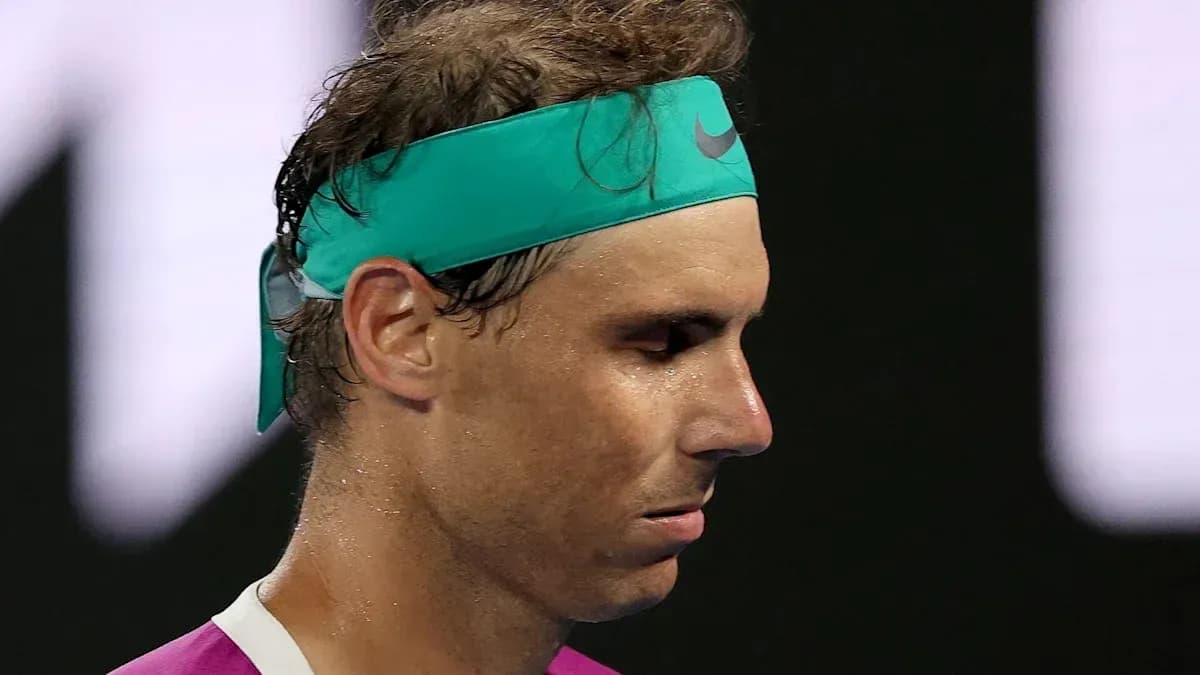
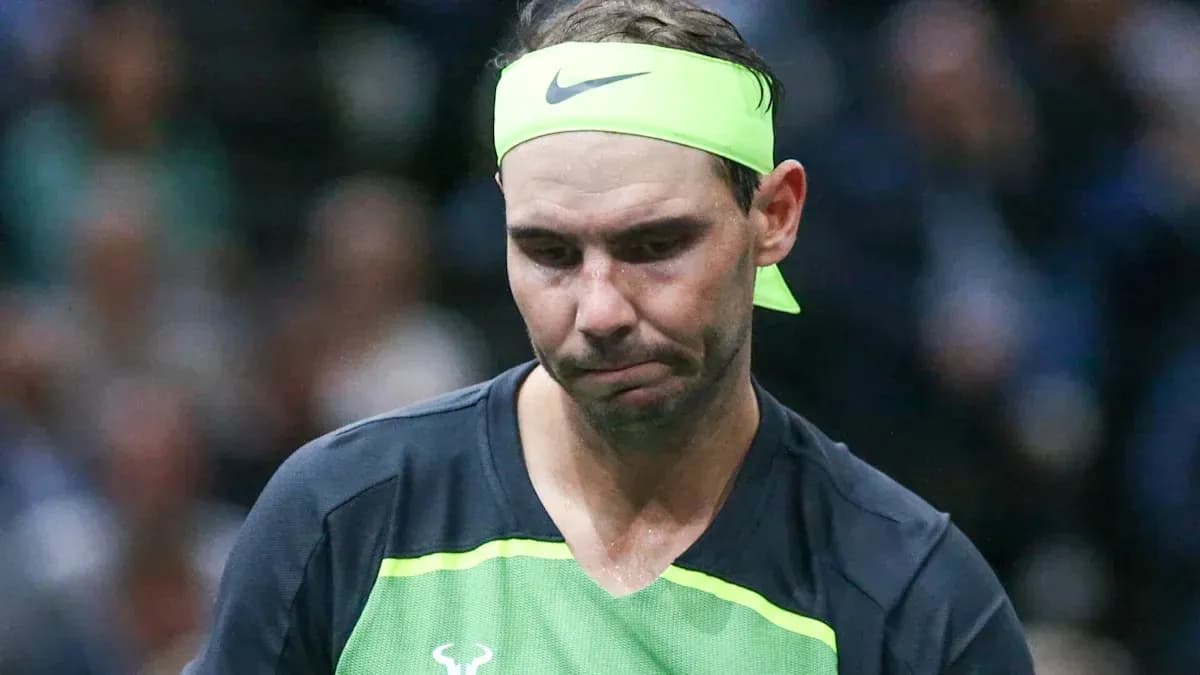
In a city he ruled like no one else, Rafael Nadal walked away with one glaring omission on his résumé. Paris made him a legend. It also denied him, stubbornly, in the one indoor event that never bent to his will: the Paris Masters.
Nadal retires in 2024 with 22 Grand Slam titles, 36 Masters 1000 trophies and Olympic gold medals in both singles and doubles. His reign at Roland Garros – 14 titles, a record that feels almost mythical – turned the French capital into his personal kingdom every spring.
Yet a few miles across the city, under a roof and on a slick indoor hard court, Paris always felt different. There, at the Paris Masters, the greatest clay-court player in history never lifted the trophy.
A Final in the First Try, Then a Wall
His best shot came immediately. On his debut at the Paris Masters, Nadal cut through the draw, dropping just one set on his way to the final. The script seemed familiar: Nadal in Paris, Nadal in form, Nadal closing in on another title.
David Nalbandian tore it up.
Unseeded and unflustered, the Argentine dismantled Nadal 6-4, 6-0 in a stunning final. Once he broke Nadal’s rhythm, Nalbandian played with a freedom that shocked even him.
"All week I was playing great, and I don't know why the result was so easy," Nalbandian said at the time. "After I broke him, I felt that I was playing better than him. I played more relaxed, started hitting winners almost from everywhere. That gave me confidence."
That day would stand as Nadal’s only appearance in a Paris Masters final. For a player who routinely turned Masters events into familiar hunting grounds, this tournament became something else entirely – a pattern of promise, pain and near-misses.
Injuries, Returns and the Same Old Roadblock
The year after that first final, Nadal’s run ended with a grimly familiar sight: him leaving the court hurt. He reached the quarter-finals, then retired after losing the first set to Nikolay Davydenko, a right knee injury cutting short another campaign.
In 2009 he went one step further, into the semi-finals. Novak Djokovic stopped him there, beating him comfortably and underlining how unforgiving indoor conditions could be against an elite hard-court player.
Nadal then disappeared from the event for four years. When he came back, the pattern resumed. Another semi-final, another defeat – this time to fellow Spaniard David Ferrer, who refused to yield to reputation or history and sent Nadal out again short of the title.
In 2015, Stan Wawrinka took his turn, ousting Nadal in the quarter-finals. The next two attempts did not even reach that stage; injuries intervened again, halting his Paris Masters campaigns before they could properly build.
Still, the numbers tell you he was always dangerous. Across his first eight appearances, Nadal never failed to reach at least the quarter-finals. Indoors, on a surface that never suited him as naturally as clay, he kept finding ways deep into the draw. The trophy, though, stayed out of reach.
One Last Push, Then the Door Closes
In 2020, the old fight flickered again. Nadal pushed through to the semi-finals, edging close to finally cracking the code. Alexander Zverev shut that door, beating him and extending the strange story of Nadal in Paris away from Roland Garros.
His final act at the Paris Masters came without drama, and perhaps that made it sting more. In his ninth appearance, the quarter-final streak snapped. Nadal lost his opening match to Tommy Paul, an early exit that quietly signaled the end of his chase for this particular title.
He never returned to the tournament before retiring in 2024.
For a career that seemed to collect every major prize in sight, the Paris Masters sits as one of the few big events Nadal never conquered. In the same city where he built the most dominant dynasty the sport has ever seen, one indoor week always stood apart – a reminder that even for the greatest, some trophies stay forever just out of reach.