Rachin Ravindra Dislocates Shoulder in Commercial Shoot
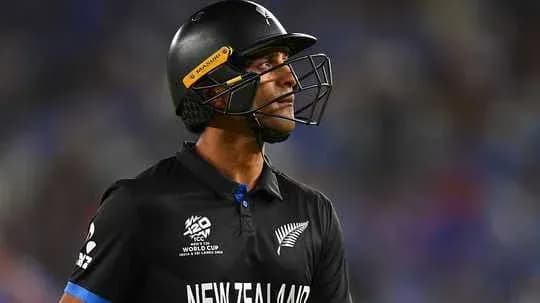
Rachin Ravindra’s buildup to a marquee home series against India has been derailed by a freak injury suffered not in the nets, but under studio lights in Auckland.
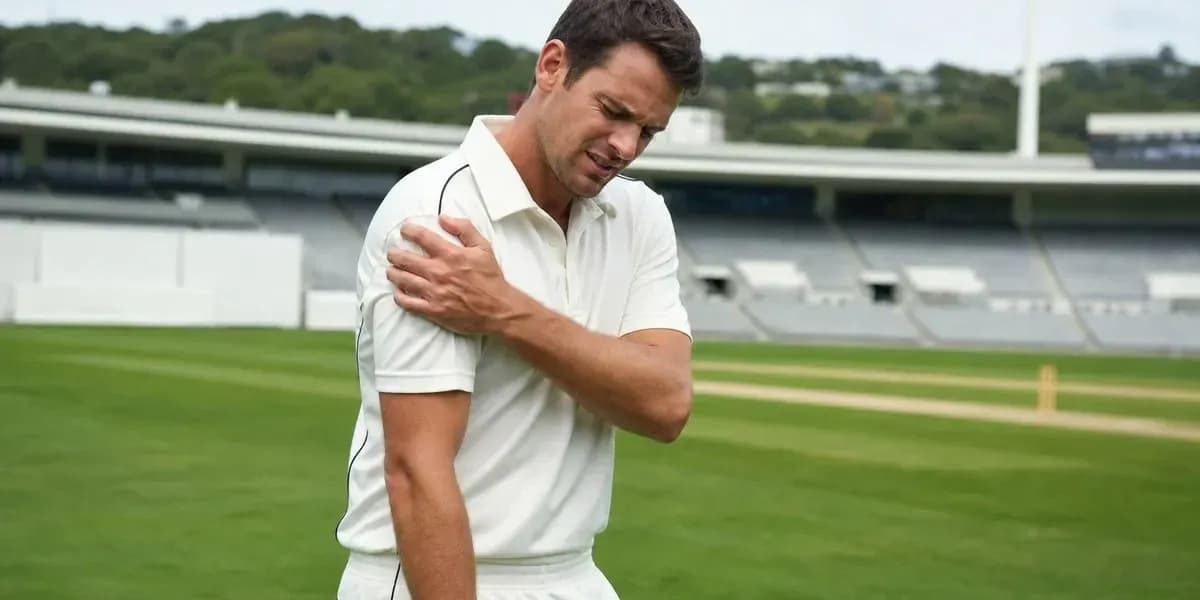
The New Zealand all‑rounder dislocated his right shoulder on Wednesday while filming a commercial with broadcaster Sky, injuring himself as he leapt to catch a ball for the cameras. The incident has thrown his availability for the upcoming Twenty20 series into serious doubt, with the first of five matches scheduled for October 22.
Early scans have at least brought one piece of good news. New Zealand Cricket confirmed that an initial assessment by medical specialists revealed no significant structural damage. The real test now lies in how quickly the 26‑year‑old can move through the opening weeks of rehabilitation. Only then will medical staff be able to set a realistic return date.
For a player who has become central to New Zealand’s white‑ball plans, the timing could hardly be worse.
‘Unfortunate accident’ sparks review
New Zealand national team performance manager Mike Sandle described the shoulder injury as an “unfortunate accident” and stressed that the commercial activities had been cleared in advance.
According to Sandle, all parties had agreed on the nature of the shoot and the safety measures in place. Even so, a frontline international dislocating a shoulder while filming has triggered immediate introspection. Sandle confirmed that processes around such off‑field commitments will be reviewed, with a view to tightening protocols and reducing risk.
The episode underlines the fine line modern players walk between commercial obligations and cricketing priorities. One mistimed landing, and a key all‑rounder is suddenly racing the clock.
Key figure in all formats
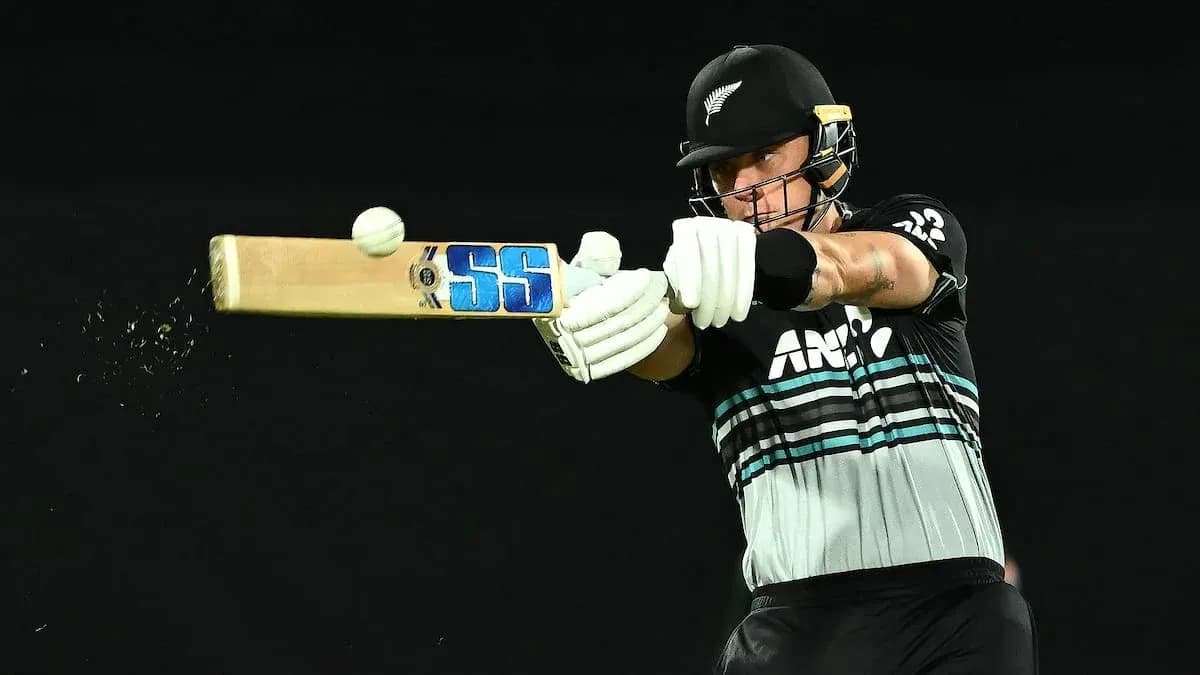
Ravindra is no squad player. He has already featured in 115 matches for New Zealand across formats and offers rare flexibility: capable of opening the batting or shoring up the middle order, while also operating as a left‑arm finger spinner.
His recent tournament record underlines his importance. At the 2023 50‑over World Cup, he finished as New Zealand’s leading run‑scorer, announcing himself on the global stage with a series of mature, high‑class innings. At this year’s Twenty20 World Cup, he flipped the script with the ball, topping the wicket charts for his country.
Losing that kind of dual threat, even temporarily, would reshape New Zealand’s plans against India. It affects balance, selection, and the way the hosts manage both powerplay and middle overs.
India tour looms large
New Zealand are set to host India in a demanding multi‑format tour: five Twenty20 internationals from October 22, followed by five One Day Internationals and two Test matches next month.
The T20 leg was already shaping as an ideal stage for Ravindra to reinforce his status as a three‑format cornerstone against one of the strongest attacks in the game. Now the question is whether he will feature at all in that opening phase.
With no firm timeline yet, the selectors and medical team must juggle short‑term ambition with long‑term prudence. Push too hard, and a dislocation without structural damage can quickly become something far more serious.
For New Zealand, and for Ravindra himself, the next few weeks of rehab will decide whether this remains a brief, bizarre footnote to his rise—or the moment that forces a rethink of how much risk a modern star can afford to take once the cameras start rolling.