O2 Undercard Delivers Thrilling Fights and Controversies
The O2 undercard did not tiptoe into the night. It crashed through it.
Before Moses Itauma and Filip Hrgovic tore into each other for the vacant IBF heavyweight title, the supporting cast at London’s O2 Arena produced its own chaos: blood, controversy, a brutal one-punch finish and a measured dismantling from a man who now stands on the brink of a world title shot.
This was how the scene was set.
Vianello and Jolly trade blood and bruises – and the ref calls it level
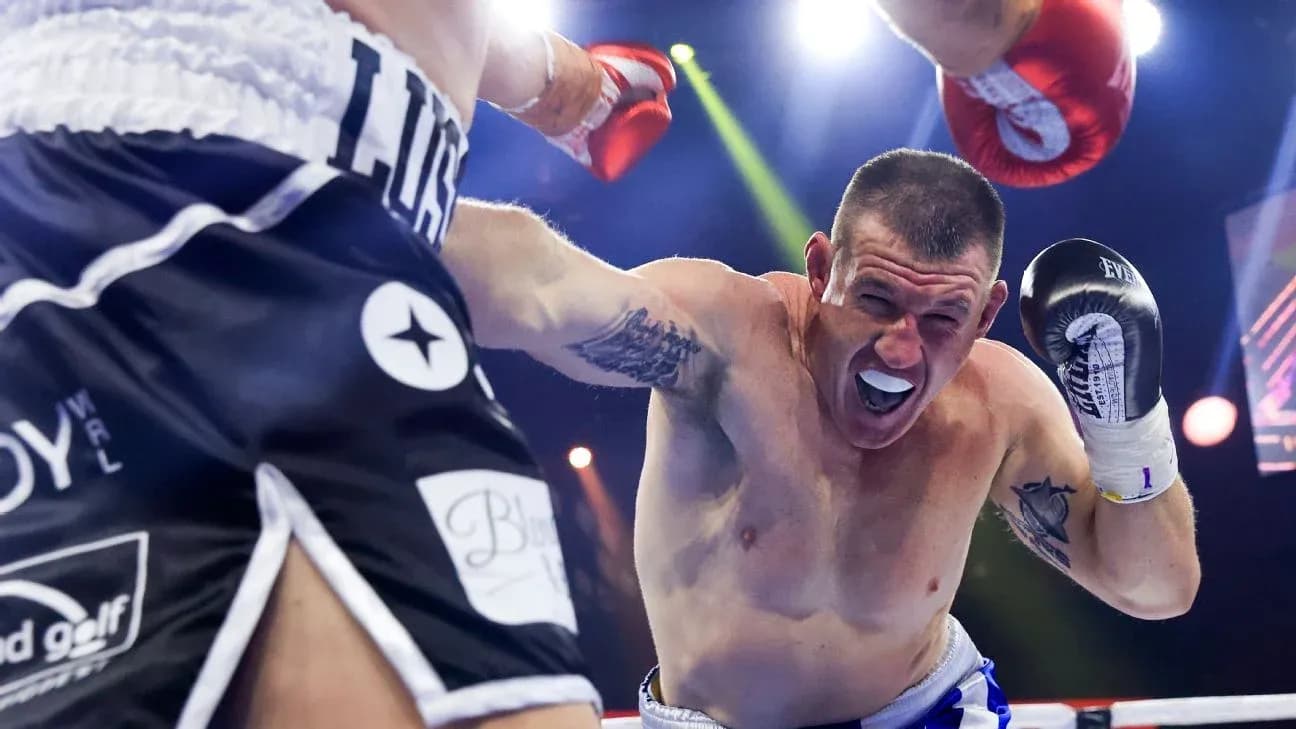
Guido Vianello vs. Moses Jolly (Draw, 76-76)
The first bell brought heavyweight intent, not heavyweight patience.
Moses Jolly, the unbeaten Welshman, carried the size and the swagger. Guido Vianello, the former Olympian still trying to steady a once-bright career, brought pedigree and a point to prove after a patchy run that included defeats to Efe Ajagba and Richard Torres Jr.
From the opening exchanges, it was clear neither man wanted to box their way quietly into the evening. Jolly dug to the body early, thudding in hooks that forced Vianello to suck in air. Vianello replied with the cleaner, more eye-catching head shots, but he was being forced to work at a pace he didn’t enjoy.
By the second round, their intentions were written across their faces. Both men bloodied, both swinging in scrappy, dangerous bursts that could have ended things in an instant. It wasn’t pretty. It was exactly what a heavyweight curtain-raiser should be.
Jolly then seized the moment. Two savage overhand rights crashed onto Vianello’s chin, the Italian somehow absorbing them amid clinches and wrestling. The Welshman played to the crowd, blowing a kiss and bouncing to the rhythm in his corner at the bell. He knew he’d banked the early momentum.
His investment downstairs kept paying off. By the middle of the fourth, Vianello was visibly labouring, gasping between exchanges, yet still smart enough to find counters and do clever work on the inside to cling to the contest.
The tide flickered in the sixth. Jolly’s work rate dipped to single jabs and sporadic bursts, his earlier tempo draining away. Vianello, sensing a gap, stepped in with counters and combinations as both men grew ragged and exhausted.
Heading into the final round, nothing was clear. Both had enjoyed stretches of control. Neither looked likely to find the finish they were still desperately hunting. When the referee’s card was read – 76-76, a draw – it felt harsh on Jolly, who had dominated the first half of the fight but couldn’t slam the door shut.
He left with his ‘0’ intact, but also with the frustration of a night that could, and maybe should, have been his.
Ursu survives a war and Vaughan’s fury – but questions linger
Constantin Ursu vs. Ben Vaughan (Ursu TKO Rd 8 – doctor stoppage)
If the opener was wild, the British welterweight title fight was downright savage.
Constantin Ursu walked in as the newly crowned British champion, fresh from dethroning Owen Cooper. Ben Vaughan arrived as the hungry challenger, having bounced back from a points loss to Bobby Dalton in his tilt at the English title.
Vaughan started as the aggressor. The first two rounds belonged to him. He crowded the champion, roughing him up, denying Ursu the space to find the rear uppercut he kept searching for to head and body. Every time Ursu tried to set his feet, Vaughan smothered him, chopped at his body and snapped his rhythm.
Ursu’s jab, though, told its own story. It was sharp, spiteful, and soon had Vaughan’s nose streaming. The Moldovan’s defense, loose as it looked at times, still managed to take the edge off plenty of Vaughan’s work. Technically, Ursu was the cleaner boxer. He just kept getting tagged with shots he didn’t need to take.
Vaughan’s plan was obvious and effective: break the champion’s base. He hammered the body, looking to take Ursu’s legs away, and for a while, it worked.
Then the fifth round cracked the fight open.
Ursu began landing with real consistency, and a nasty cut opened above Vaughan’s left eye. Blood poured into the Englishman’s eye socket, blurring his vision and energising the champion. Ursu surged forward, suddenly in rhythm, picking his man off at will in the closing moments of the round.
The sixth descended into a bloodbath. Ursu picked up a cut of his own over the right eye, but neither man blinked. They stood in the pocket, trading, slipping, firing back. Ursu’s shots carried the greater venom, his punches snapping Vaughan’s head and forcing him onto the back foot.
By the start of the eighth, both fighters were drenched – not just in their own blood, but each other’s. They rose from their stools ready to go again, but the ringside doctor and referee had seen enough of Vaughan’s eye. The cut, ugly and worsening, ended his night.
Ursu kept his British and Commonwealth welterweight titles, his hand raised after a brutal, absorbing war. Vaughan walked away with nothing on paper, but plenty of respect. Ursu, though, leaves with a different kind of baggage: a reputation as a thrilling champion whose fast-and-loose defence will not escape scrutiny at higher levels.
Hysa detonates on ‘The Last Viking’
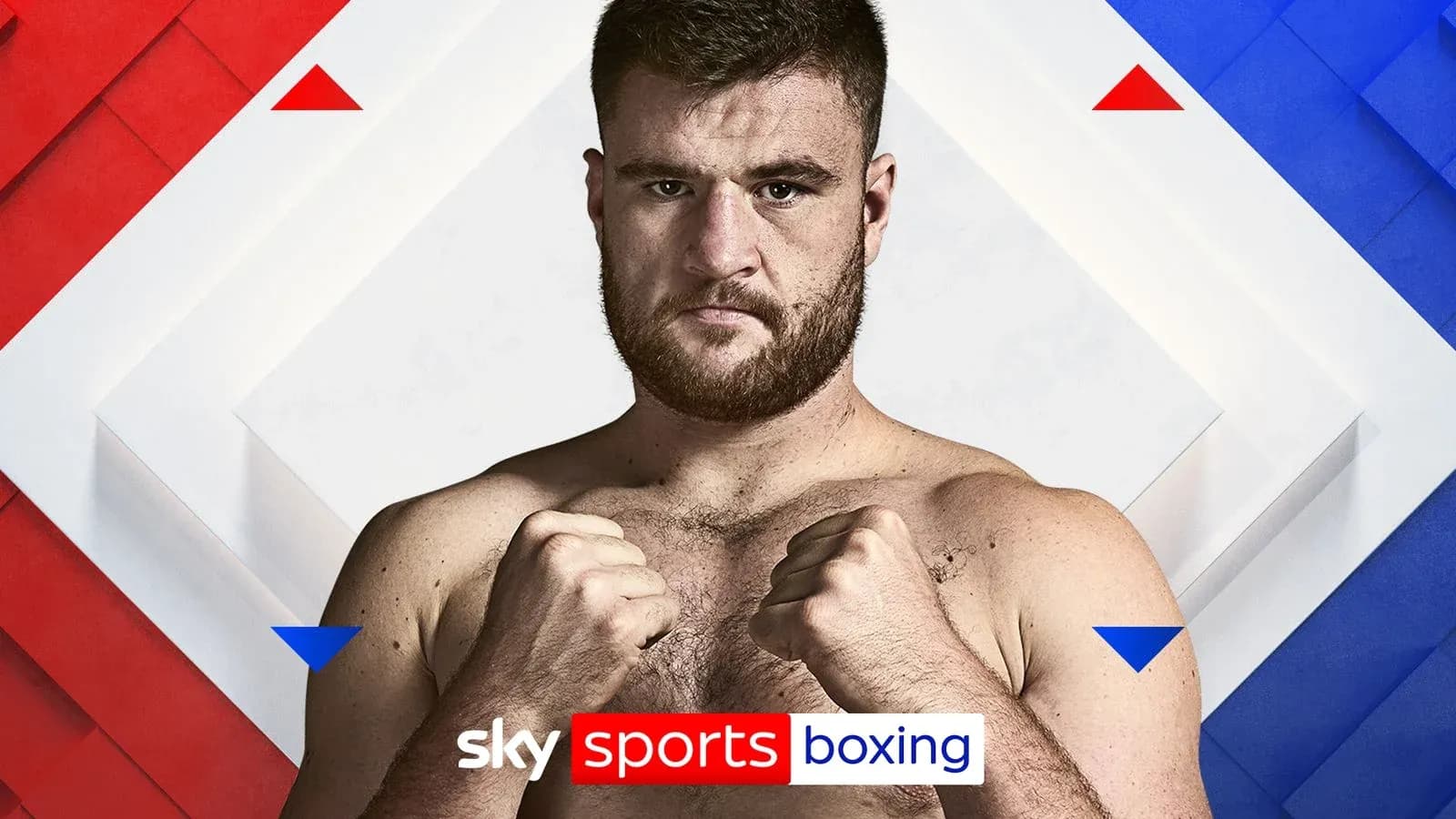
Nelson Hysa vs. Thomas Narmo (Hysa KO Rd 1)
Then came the heavy artillery.
Nelson Hysa, the undefeated Albanian puncher, stood opposite Thomas “The Last Viking” Narmo – another unbeaten heavyweight with 14 fights, 14 knockouts, and a nickname that promised violence.
What followed was brief but telling.
The opening moments were almost deceptive. Two giant heavyweights, pawing with jabs, testing distance. Narmo, though, looked vulnerable on exit, chin high as he pulled back. Hysa saw it. A sly grin flickered across his face. He had his read.
He didn’t need a second round to prove it.
In a burst that lasted less than the ring walk, Hysa uncorked a thudding overhand right that crashed through Narmo’s guard and sent “The Last Viking” sprawling to the canvas. Narmo beat the count, but his legs and eyes told a different story. The referee stepped in, correctly, before the situation turned ugly.
Hysa moved to 25-0 and kept hold of his WBO Global title. One punch, one statement. The kind of finish that makes matchmakers think twice about who they send his way next.
Noakes outworks Berinchyk and marches back toward a world title shot
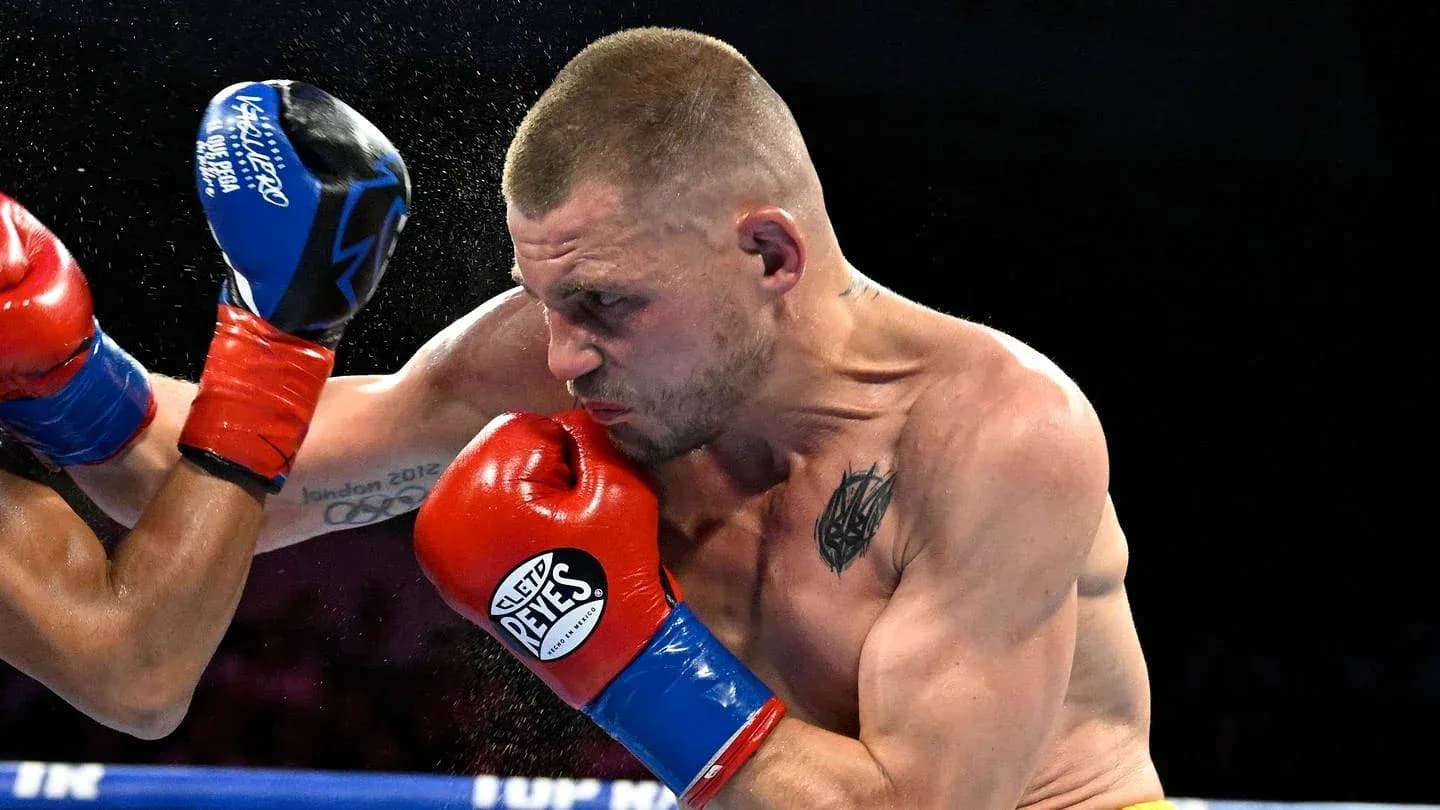
Sam Noakes vs. Denys Berinchyk (Noakes UD)
The chief support was supposed to be a world title fight. It would have been, had Denys Berinchyk not lost his WBO lightweight belt by knockout to Keyshawn Davis last time out. Instead, the Ukrainian arrived as the former champion, trying to rebuild. Across from him stood Sam Noakes, the English contender rebounding from his own setback against Abdullah Mason, softened only by a quick-fire stoppage win at York Hall in May.
From the start, Berinchyk refused to stand still.
He circled, skipped, dipped and slid, using the full expanse of a generous ring. His jab, sharp and educated, flicked out as he stayed just out of range, refusing to be drawn into the kind of firefight Noakes thrives on. Noakes stalked, loading up with bad intentions in every shot, but struggled to land cleanly.
Berinchyk’s experience showed. He switched southpaw and began to find a home for stinging left hands in the fourth, catching Noakes as he tried to close the distance. Noakes, undeterred, kept trying to drag the fight into the trenches, digging to the body whenever he could get close enough to touch his man. He knew he had to slow those spring-loaded legs.
The pressure began to tell in the fifth. Noakes started to cut the ring off more effectively, using a stiff jab to herd Berinchyk into the corners and ropes. He let his hands go in twos and threes, thudding to head and body. It was far from one-way traffic, but the Englishman walked through what came back, imposing his size and strength.
Slowly, the ring shrank around Berinchyk.
The former Olympic silver medallist found himself forced into exchanges he clearly didn’t want. His face reddened, his movement dulled, and the rounds began to slip away. His fast hands still gave Noakes problems, forcing him to accept that he would have to take one to land one, but the Ukrainian didn’t look comfortable under the physical weight and power in front of him.
Noakes, sensing that discomfort, smartly dropped his own attacks downstairs, investing in the body and further sapping Berinchyk’s legs.
Going into the final round, the fight remained competitive, but the balance leaned towards Noakes. He had outlanded Berinchyk across the bulk of the contest, dictated the geography of the ring and forced the former champion to fight his kind of fight more often than not.
Berinchyk rallied late, standing closer, firing uppercuts and lead hooks in a last attempt to turn the tide. It was spirited, but not enough.
All three judges sided with Noakes, awarding him a unanimous decision that puts him right back in the world-title conversation. On a night when the heavyweight division stole the headlines, Noakes quietly rebuilt his case.
The next time he walks into a big arena, it may well be with a belt on the line.