Novak Djokovic's Historic US Open Exit: A Champion's Struggle
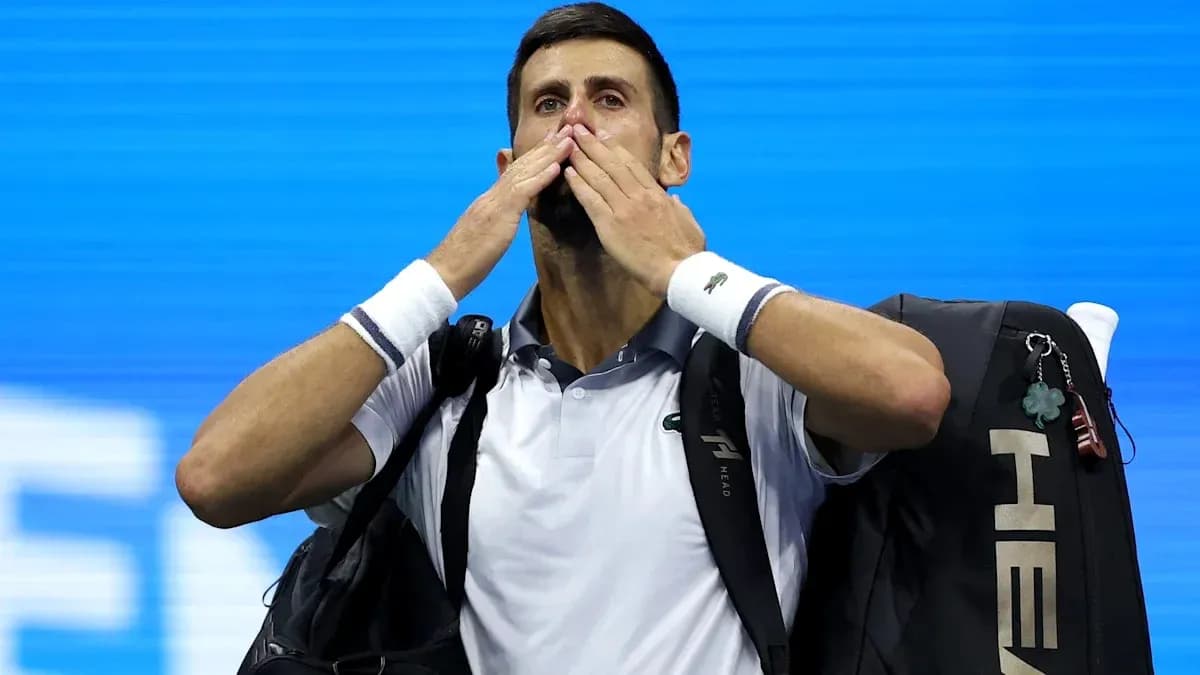
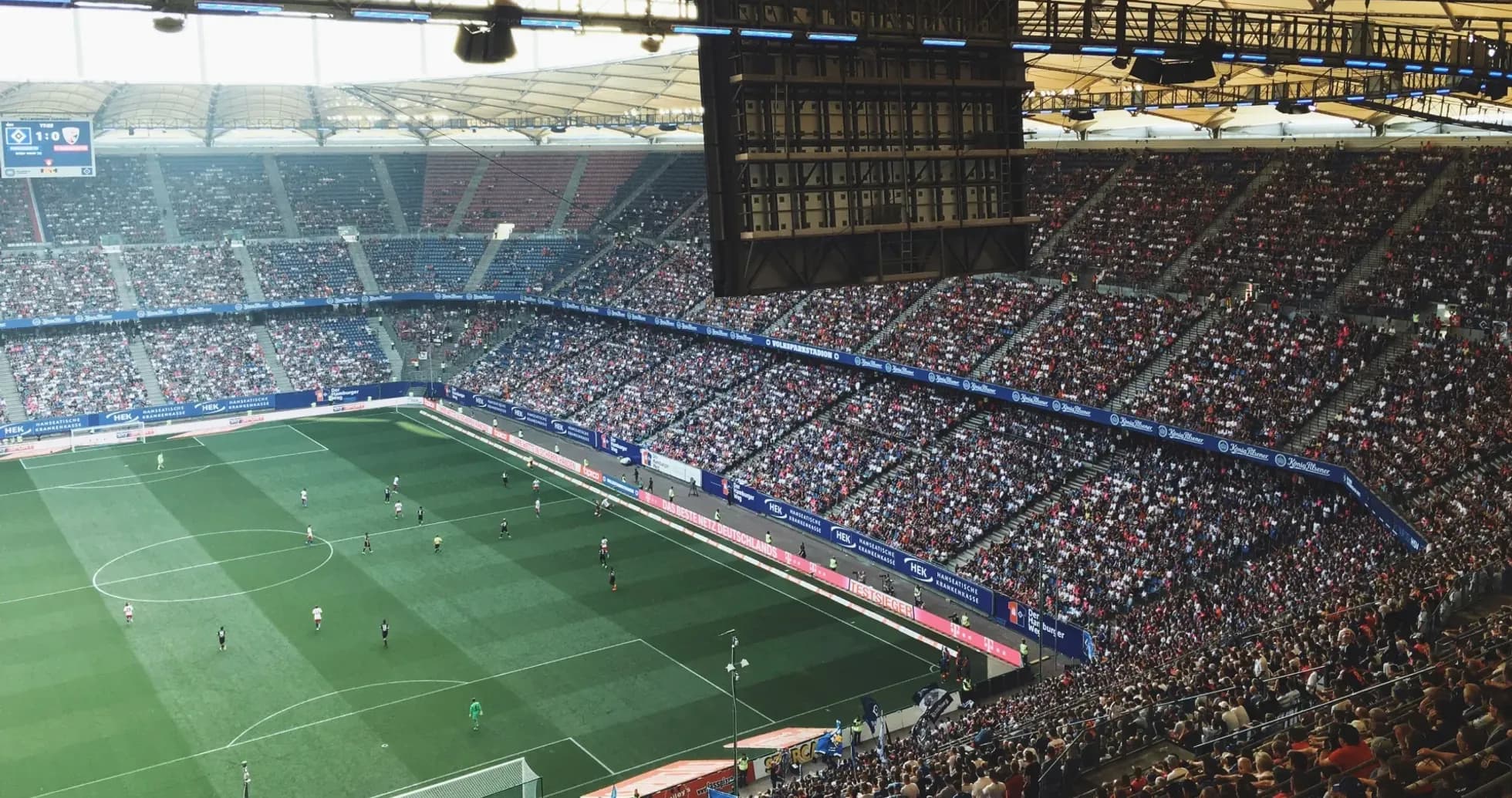
NEW YORK — Arthur Ashe Stadium has seen Novak Djokovic at his ruthless, untouchable best. On Monday night, it watched something very different: a great champion running on fumes, a body betraying a mind still desperate for one more historic run.
At 39, chasing that elusive 25th Grand Slam title, Djokovic walked into the US Open with as much pedigree as anyone in the draw. He walked out after the first round, beaten, sick, and visibly diminished, stunned 7-6(5), 5-7, 4-6, 6-2, 6-1 by Argentina’s Mariano Navone in four hours and 36 minutes.
The loss snaps a staggering streak: 78 consecutive first-round wins at Grand Slams, gone. It’s his first opening-round exit at a major since the 2006 Australian Open, the tournament he would go on to win 10 times. At the US Open, where he had never before lost in the first two rounds, his perfect 37-0 start record is now history.
This wasn’t just an upset. It felt like a rupture.
A flying start, then a slow collapse
For half an hour, the script looked painfully familiar for Navone. Djokovic raced out to 3-0, then 4-1 in the opening set, striking the ball cleanly, moving crisply, dictating with ease. The No. 49-ranked Argentine, one of 11 men from his country in the main draw, seemed headed for a routine lesson on the sport’s biggest hard-court stage.
Then the errors arrived. In waves.
Djokovic’s timing deserted him. Routine balls flew long or crashed into the net. The early authority vanished under a pile of unforced mistakes. Navone sensed the crack and drove straight into it, breaking twice to erase the deficit and level at 4-4, sealing the momentum with a thunderous ace.
By the time the set reached a tiebreak, Djokovic looked tight and oddly flat. The rallies stretched, the legs looked heavier, and when another Djokovic return found the net, Navone had the first set and Ashe had a story.
Djokovic fights back — but the body rebels
The second set tightened. Both men held firm through the first 10 games, neither able to break through. Then Djokovic summoned the familiar surge. He ripped through eight straight points, took the set, and suddenly the match looked back on schedule. The crowd sensed it. Djokovic did too.
He leaned on his will in the third, clawing out another breakthrough, taking the final two games and urging the Ashe crowd to lift the noise. He led two sets to one, and on paper, the upset looked to be fading.
But the court told a different story.
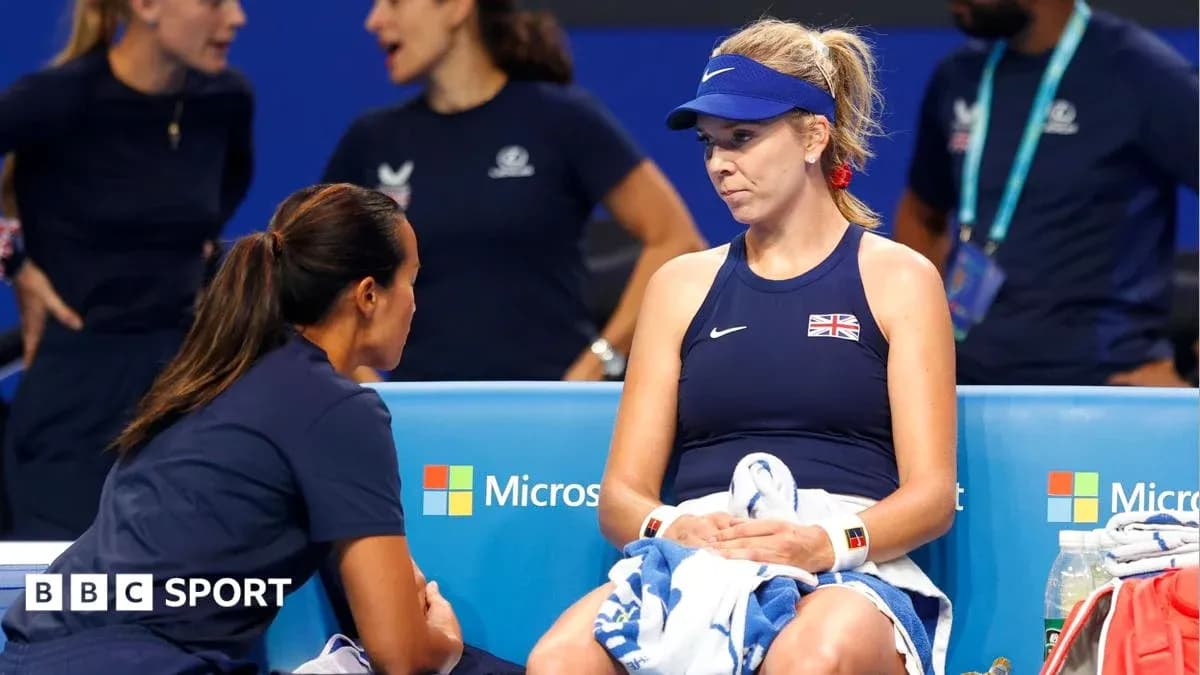
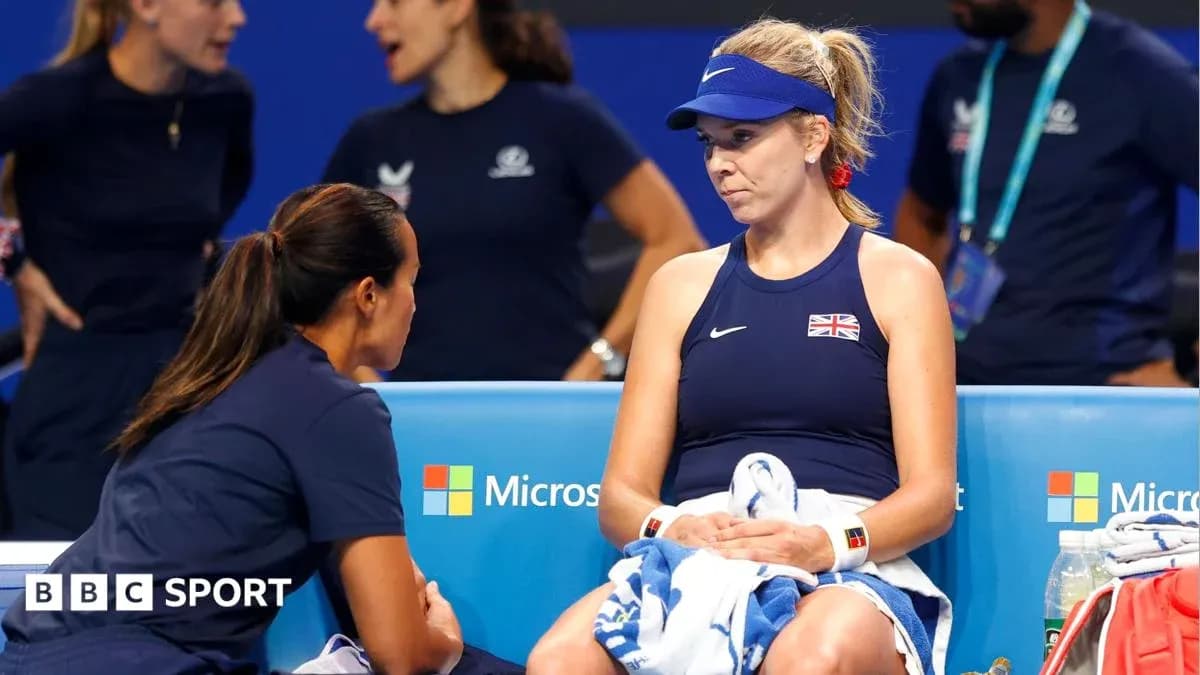
Djokovic moved slowly between points. He trudged to his chair. He took pills. He vomited during the third set, a distressing sight on a court where he has so often seemed indestructible. The rallies Navone forced — long, grinding, 20-shot exchanges — drained what was left in the tank.
This wasn’t new. Djokovic later admitted he had been wrestling with the same issue all year, including during his second-round loss to Thiago Agustin Tirante in Cincinnati earlier this month.
"I think it was obvious that it was an awful feeling on the court for me. It's something that I've been carrying, unfortunately, pretty much every match this year," Djokovic said. "You know, vomiting, throwing up, a serious issue there. Then my whole body, you know, starts to collapse, basically cramping and pain. Yeah, the back just gave up in the end and shoulder, and I couldn't close it out, you know?
"I was a break up in the fourth, but just struggled all the way since the fourth game of the match. Again, I don't want to take too much out of his win. Congrats to him. He's a nice guy, a fighter. But, you know, I didn't enjoy myself."
The numbers underline the struggle. Djokovic sprayed 70 unforced errors. Navone earned 17 break points but converted only six, a missed opportunity that might have haunted him had Djokovic found a way to survive. Instead, the Argentine kept coming, kept running, and eventually broke the match open.
Navone holds his nerve on the biggest stage
The pressure finally told in the fourth set. Navone secured a crucial break, then rode it, his game rising as Djokovic’s body faltered. The rallies stayed long, the legs kept churning, and Navone refused to blink.
By the fifth, Djokovic was a shadow. His serve lost its pop, his movement dulled, and his shoulders sagged. Navone, sensing history, tightened his focus instead of his arm. He rolled through the decider 6-1, the match ending on a meek Djokovic return that floated short and came back past him with no answer.
“(It) was very tough for me because you are playing with the ‘GOAT’ on this court,” Navone said on court after the match. “For sure it’s the best thing I’ve had on court. This is an amazing court and the biggest stage. It’s amazing, the way we play. I mean, five sets. … I’m very happy. I don’t know. What can I say?"
For a player who only this year became the first man in the Open Era to be seeded in his Grand Slam main draw debut at Roland Garros, this was another leap into the spotlight. On Sept. 2, he will face the winner of Matteo Berrettini vs. Stan Wawrinka in the second round — a reward and another test on a court that no longer feels quite as invincible for Djokovic.
A champion’s future under the spotlight
Djokovic’s defeat will echo far beyond this fortnight. A first-round exit at a Slam for the first time in 18 years. A body that, by his own account, has been rebelling “pretty much every match this year.” Vomiting, cramping, back and shoulder problems, visible exhaustion.
For years, the conversation around Djokovic at majors has centered on whether anyone could stop him. Now, the question is sharper, more uncomfortable: how long can he keep fighting both the field and his own body?
On this night in New York, the answer came from across the net — and from the man himself, doubled over, drained, and walking off Ashe without the roar that has so often followed him into the September night.