Nigar Sultana Steps Down as T20I Captain After India Defeat
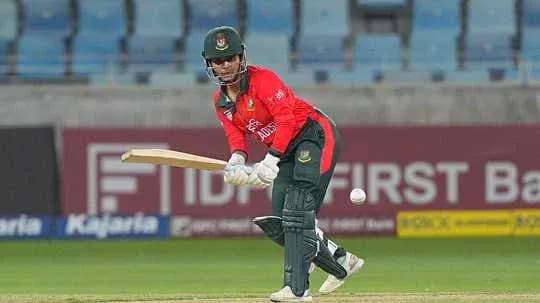
Nigar Sultana has never been one to hide. Not in front of the stumps, not in front of the microphone. So when the Bangladesh captain walked out after a 114‑run hammering by India at the Asian Games and confirmed she was stepping down from the T20I role, there was no drama, no deflection. Just a blunt admission: she wants to save her batting.
She had already told the board after the Asian Games that her time as T20I captain was coming to an end. On Sunday, she nailed down the reason.
“No, it's totally false that I left because I was hurt,” she said, dismissing suggestions that a lack of backing from the board had pushed her out. “As a batter, as a player, I have a lot more to give to my country and my team. So I want to focus on that, and that's why I made this decision.”
It was a striking message on a bruising day.
India ruthless, Bangladesh rattled
At Korogi Sports Park in Nisshin, India did not simply beat Bangladesh; they dismantled them. Asked to bowl first, Bangladesh leaked runs from the outset as Shafali Verma tore into the attack and never relented.
Verma brought up her maiden T20I hundred, an unbeaten 100 off just 49 balls, the kind of innings that drains belief from a fielding side. The ball kept disappearing, the scoreboard kept racing, and Bangladesh’s bowlers never really found a way to drag it back. India surged to 195 for 4, a towering total in a semi-final, on a surface that had already demanded hard graft earlier in the day.
The chase never got going. Not even briefly.
From the start of their reply, Bangladesh looked lost. Wickets fell, intent vanished, and the innings folded for 81 in 15.4 overs. No late resistance, no defiant partnership, only a stark gap between the two sides laid bare under grey Japanese skies.
Nigar did not sugarcoat it.
“When you're chasing a big total, this kind of collapse is natural. With slightly better bowling, we could have restricted them to fewer runs,” she said. The honesty cut deeper a moment later. “When a team collapses for so few runs, we as batters definitely took no responsibility. If even one top-order batter had stayed till the end, we could have added more runs.”
On the same pitch, Sri Lanka had ground their way to 107 against Pakistan earlier. Bangladesh never got close.
Preparation problems and missed chances
The defeat did not arrive in isolation. Bangladesh’s buildup to the semi-final was messy and thin. Rain in Japan stripped away valuable practice time, leaving them with only two days of proper training. Their scheduled group match against China was washed out. A planned warm-up against the same opposition never happened.
“We have virtually no training facilities here,” Nigar said, laying out the reality rather than leaning on it as an excuse. “Had we played that first match against China, it would have been much better for the whole team. But we missed that opportunity too. Overall, I'll say the entire team played very poor cricket.”
The lack of preparation showed. Fielders looked a step slow to react, bowlers missed their lengths under pressure, and the batters appeared undercooked against an India side that sensed weakness and attacked it relentlessly.
One last toss of the coin
For all the disappointment, Bangladesh are not done yet. The gold medal dream is over, but a bronze is still on the table. Pakistan await in the playoff, and that fixture carries its own weight.
Nigar will lead the T20I side one final time in that match. One last toss, one last huddle, one last chance to walk off as captain with something tangible in hand.
“We have a good record against Pakistan. There is a sense of positivity there,” she said.
It will not erase the battering from India, nor the questions around Bangladesh’s batting depth and preparation. But a medal, and a strong innings from a captain turning back into a frontline batter, would send a very different message about where this team is heading next.