Neymar's Era Ends: Ancelotti's Vision for Brazil's Future
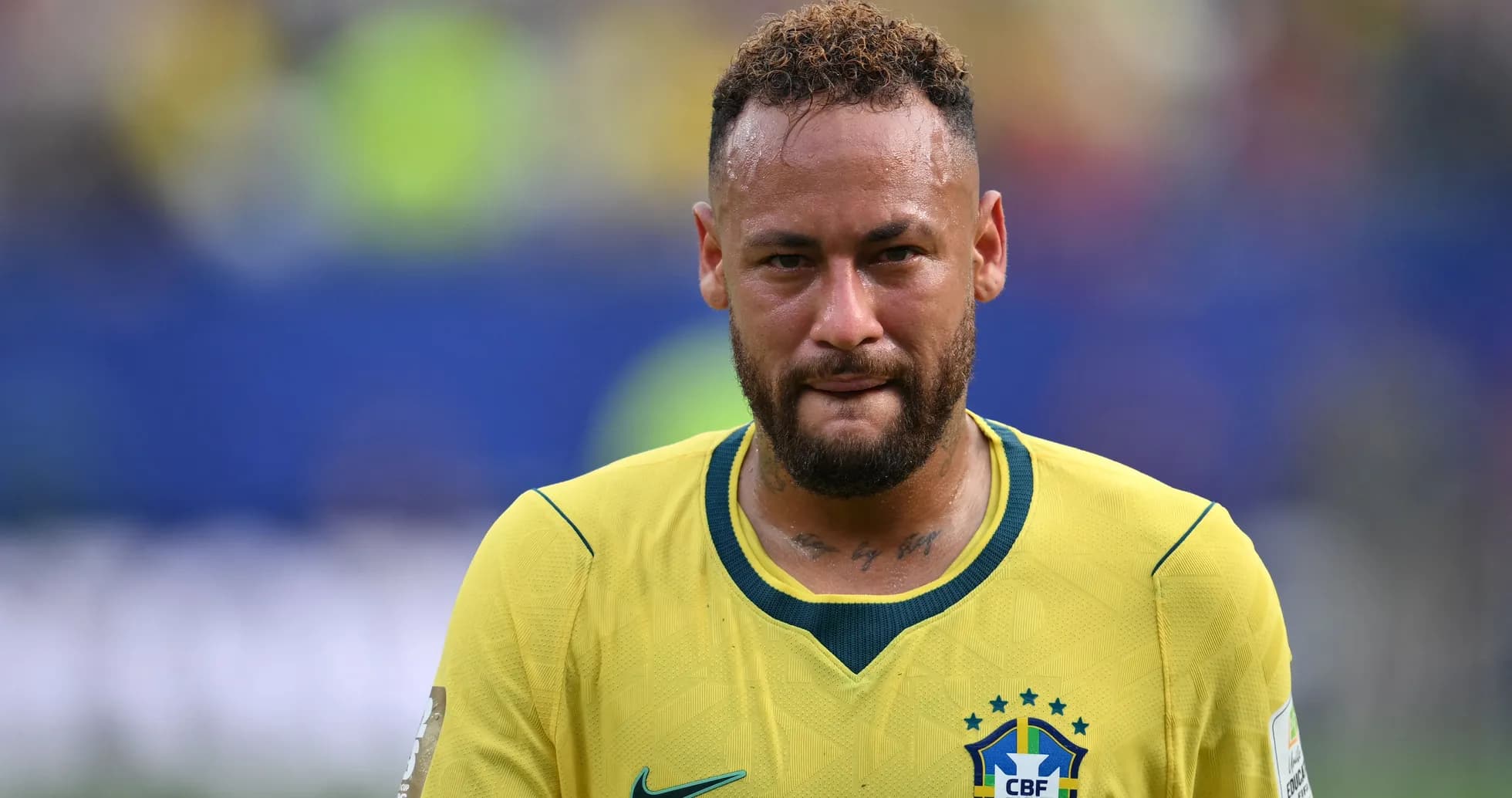
Carlo Ancelotti didn’t whisper it. He drew the curtain with a firm hand. Neymar’s time with the Seleção is over — by the player’s own choice — and Brazil now has to learn to live without the talent that defined a generation.
In a wide-ranging interview with CNN Esportes, the Brazil coach confirmed what had long hovered over the national team since the 2026 World Cup: Neymar will not return.
“He deserved to be there because of his quality. Neymar has already confirmed that he does not want to return to the national team,” Ancelotti said. “Neymar cannot be replaced because he was an extraordinary and unique talent. So, an irreplaceable player.”
One sentence to close a chapter. Another to admit the obvious: you don’t replace Neymar like-for-like. You move on in a different direction.
An Irreplaceable Star, a Necessary Break
For more than a decade, Neymar was Brazil’s reference point. Every squad list, every tactical plan, every World Cup hope seemed to orbit around him. The 10 shirt was not just a number; it was a promise that he would produce something, somehow, when it mattered.
That burden came at a cost. To him, and to the team.
One of the enduring criticisms of the Neymar era was Brazil’s dependence on his individual brilliance. When he shone, Brazil looked unstoppable. When he faded or got injured, the entire structure often sagged with him.
Ancelotti wants no repeat of that dynamic.
“I believe that in modern football, teamwork is what matters, not individual talent,” he said. “Of course, if you have great individual talent, you have a greater chance of winning, but modern football doesn’t tolerate a lack of teamwork. We are working to build a strong team for the future, not to rely on a single great individual talent.”
That is the fault line between eras: from a team built around one man to a team built around an idea.
A Radical Overhaul, Born in the Mid-2000s
With Neymar gone, Ancelotti and national team director Rodrigo Caetano are not tinkering at the edges. They are tearing up the old blueprint.
The target is the 2030 World Cup. The method is clear: bet hard on youth and reshape the squad around players who grew up in a different footballing landscape, with different physical and tactical demands.
“I think we need to proceed step by step,” Ancelotti explained. “Now we need to focus on the young players who could be the future, the players born in 2004, 2005, and 2006. We have young players born in 2008 with a lot of quality, who aren’t playing yet, but who can play. Now is the time to look at them, taking their age into account and respecting it.”
This isn’t lip service to youth development. It is already visible in his squad lists, where established veterans are quietly being moved aside and teenagers from Brazil’s domestic league are stepping into the light.
Ancelotti still respects experience — “It’s true that a player can play very well even at 36 or 37,” he pointed out — but the hierarchy is changing. “Now is the time to prioritize the youth.”
The message to the dressing room is unmistakable: reputations no longer guarantee a seat on the plane.
Building a Team, Not a Shrine
The Italian’s blueprint leans on a collective identity, not a single savior. High-intensity football, tactical discipline, and a structure that allows individual quality to flourish without becoming a crutch.
He wants a Brazil that can run, press, and suffer together. A Brazil that does not freeze when its star man is marked out of the game — because there is no longer just one star.
The first stress tests of this new model are already on the calendar. Friendly matches against Australia and India will act as a live laboratory. Several debutants are expected to feature, and those games will be more than ceremonial run-outs; they are auditions for a place in the long-term project.
The staff will watch not only who shines on the ball, but who understands the demands without it.
Pain, Accountability, and a New Foundation
The urgency behind all this change comes from a familiar wound. Brazil’s last World Cup campaign ended in disappointment, far earlier than a country of its footballing stature accepts.
Ancelotti did not sugarcoat that failure.
“I think the World Cup was a disappointment, we’re sorry about that, but now we have to look forward,” he admitted. That disappointment has forced the federation to reassess everything — from squad planning to mentality.
By openly acknowledging where the previous cycle fell short, Ancelotti is trying to establish something Brazilian football has not always embraced: a culture of accountability.
“And now we’ll use the friendlies to see the new young talents that Brazilian football is developing in action,” he added. “I believe Brazil should be among the best teams in the world.”
The friendlies are not a sideshow. They are the first bricks of a new house.
Neymar’s story with the Seleção is written. The shirt he wore so brilliantly now passes into the hands of players who grew up watching him on television, not sharing a dressing room with him. They will not be asked to become the next Neymar.
They will be asked to build the next Brazil.