Naomi Osaka's Ambitions Beyond Tennis at the 2026 US Open
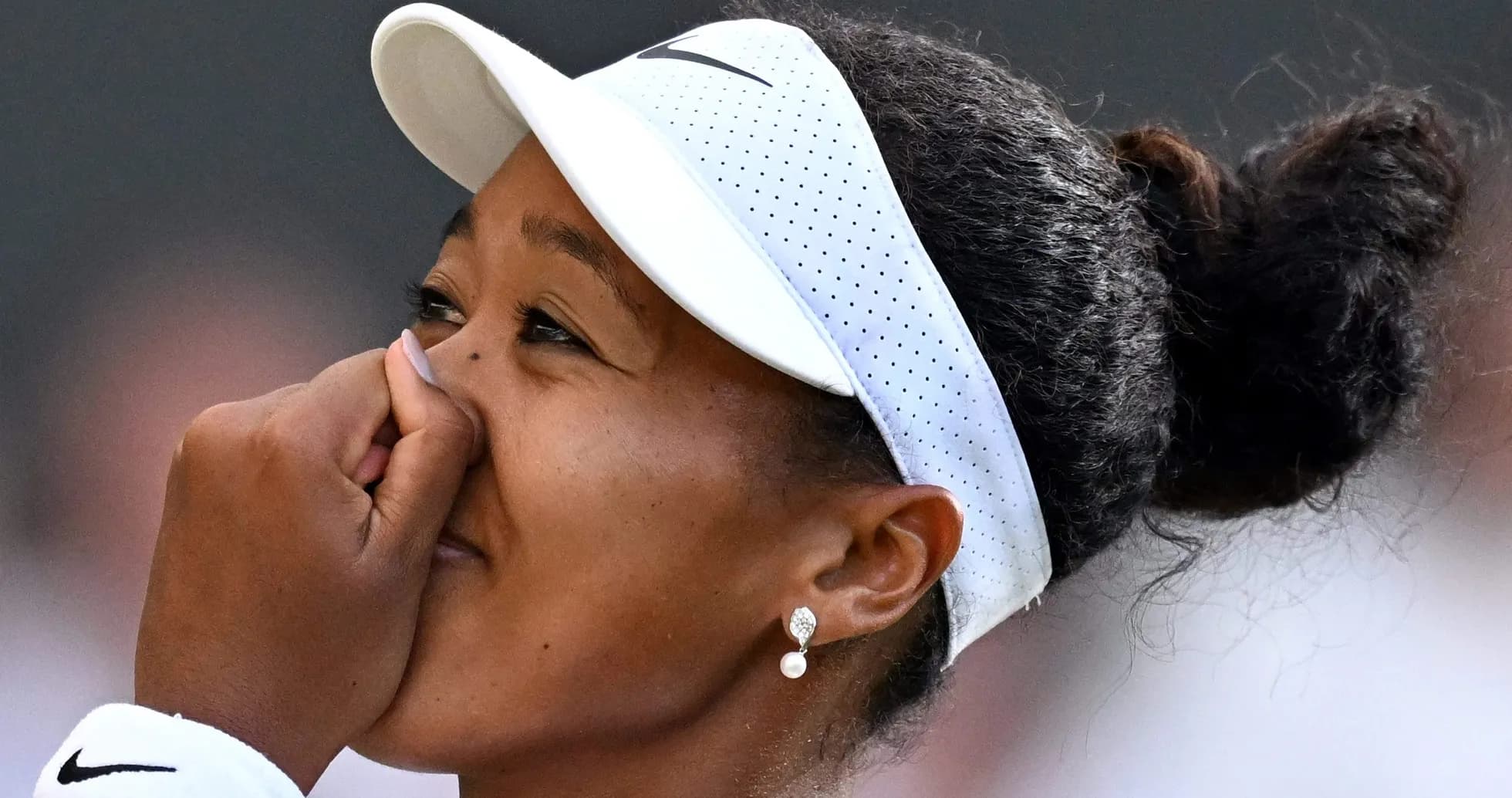
Naomi Osaka arrives at the US Open this year with a racket in one hand and a very different kind of ambition in the other.
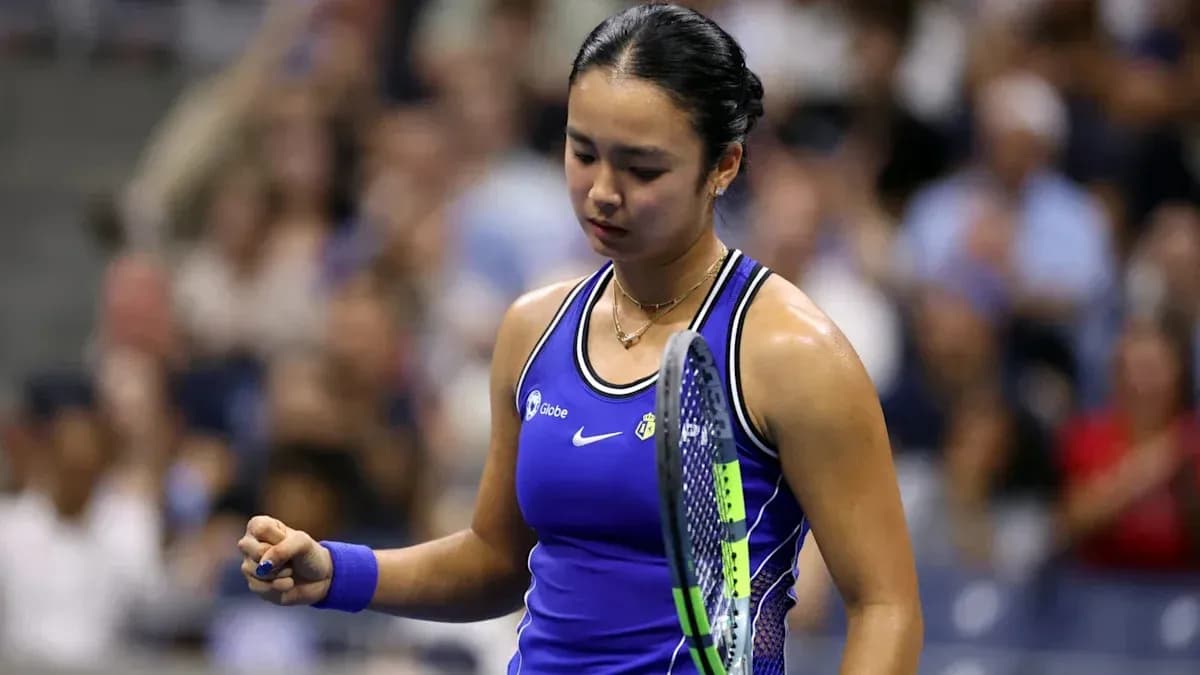
On Monday, August 31, the two-time US Open champion opens her 2026 campaign at Flushing Meadows against Anastasia Zakharova, back on the hard courts that have defined some of the most powerful chapters of her career. This is the surface she trusts most, the stage where she has so often found clarity in the noise.
But Osaka is making it clear: tennis is no longer the only story.
‘My main job is to be a mom’
Her path to New York skipped an expected stop. Osaka was a late withdrawal from the Cincinnati Open, initially citing fatigue. The fuller explanation was far more revealing of where her life is now.
She wanted to be home with Shai, her three-year-old daughter.
“I think people forget my main job is to be a mom. This [tennis] is kind of like my side hustle a little bit. I just happen to be really good at it,” she told reporters, a line that landed with the kind of blunt honesty that has long set her apart.
The competitive edge is still there. So is the preparation. Osaka, 28, said she feels ready after a busy stretch of matches and pointed straight at the hard courts as her comfort zone. “Honestly, this is the surface that I’m most comfortable with,” she said during her run at the Washington Open, where she also casually mentioned that she has a new boyfriend.
The personal life, the tennis, the motherhood — she is no longer trying to separate them. She is simply living all of it in public.
From baseline to runway
Once she touched down in New York, Osaka leaned into another side of her identity that has grown louder with every season: fashion architect, not just fashion muse.
Between practice sessions at the Billie Jean King National Tennis Center, she slipped out to Southampton for the Fame to Fortune Summit, where she announced the next step in her off-court evolution — her own line of luxury accessories.
Osaka has long been known for walking onto court in statement looks. Now she wants to design the statements herself. On stage, she unveiled a prototype handbag and described the new brand as her “biggest dream” outside of tennis, according to Variety.
“Being a really good tennis player has given me a lot of amazing opportunities to invest and also just to surround myself with some really great people and I feel like that’s gotten me to this point where I want to create my own thing,” she told Fortune executive editorial director Diane Brady.
“It’s something that I want to pour all my energy into because I believe in it too with all my heart.”
The language is the same intensity she once reserved solely for Grand Slams. Now the ambition runs on two tracks.
Serving looks at Flushing Meadows
Her fashion push didn’t stay in Southampton. It followed her right back to Queens.
Before and after practices, Osaka turned the Billie Jean King National Tennis Center into an impromptu set, shooting photos in the gym, the media room, and around the grounds. The images, as always, traveled quickly, feeding the perception that she is as much a style leader as a sporting one.
“Whenever the ideas come in my head, I just really want to do it,” she told reporters. There was no grand strategy, she insisted, no choreographed attempt to provoke.
“Honestly, like, nothing I do, I do to make a statement,” she said of the photoshoots. “I think it just ends up being that way.”
That is the paradox of Osaka. She says she is not chasing symbolism, yet everything she does seems to resonate beyond the moment — from her on-court protests earlier in her career to this newer, more expansive version of herself as mother, champion, and designer.
“But I literally do the things that I love to do, and I feel like people relate to it, and I’m really glad and grateful for that, because I feel like the type of person I am, a lot of people can see themselves in me. I really, honestly, I love that about myself.”
A different kind of hard court season
So she steps into the 2026 US Open with a familiar weight of expectation, but on different terms. The forehand still cracks, the serve still bites, the New York crowd still leans in when she walks onto Ashe. Yet the stakes have shifted.
Osaka is no longer playing to prove she belongs. She already did that, twice, on this very stage.
Now she is playing as someone who calls tennis her “side hustle,” while plotting a luxury accessories line she believes in “with all my heart,” and structuring her schedule around a three-year-old at home.
The question in New York is no longer whether Naomi Osaka can carry a tournament.
It’s how far she can go when she’s finally decided she doesn’t have to let tennis define her at all.