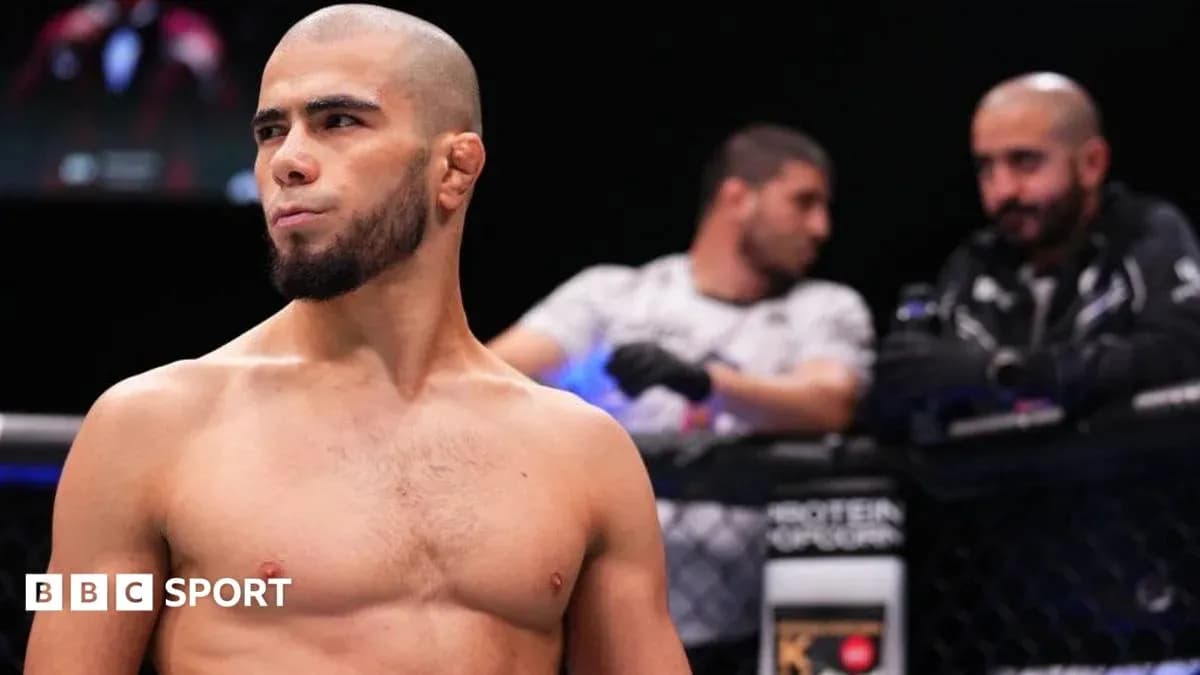
Muhammad Mokaev's Unexplained UFC Exit and Future Plans
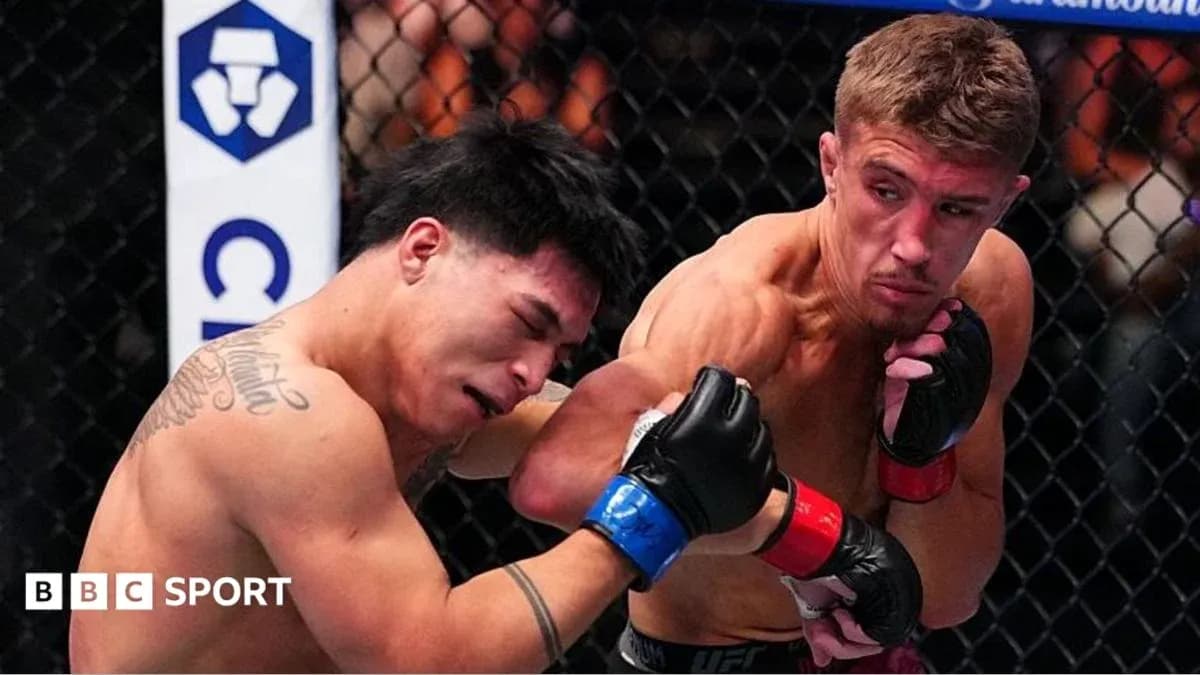
Muhammad Mokaev walked out of the octagon in Manchester in July 2024 thinking he’d just taken another step towards a UFC title shot. Instead, he walked straight into a dead end he still can’t explain.
Seven wins from seven in the promotion. A unanimous decision over Manuel Kape at UFC 304. A 23-year-old flyweight on a tear, unbeaten and loudly knocking on the champion’s door.
From the outside, it looked like the perfect rise.
Inside, it was about to collapse.
That same night, UFC president Dana White announced the promotion would not be re-signing Mokaev. No warning. No obvious sporting logic. A top contender, cut loose at the moment his stock seemed to be peaking.
The fallout has followed him ever since.
“If I’m a bad guy, why let me fight seven times?”
The early narrative pointed towards behaviour. Mokaev’s bad blood with Kape had spilled beyond the cage – confrontations at the hotel, more needle at the weigh-ins. The suggestion was that the UFC had simply had enough.
Mokaev flatly rejects that idea.
"If we talk about behaviour, right – if I'm a bad guy, why would you let me fight seven fights and renew my contract twice?" he told BBC Sport. "If I'm a bad guy in the company and organisation, they would cut me after one or two fights."
He’s not buying the discipline angle. He thinks it runs deeper than that.
The Russian-born Briton, who came to the UK as a 12-year-old refugee, believes his style played a major part. Wrestling-heavy, suffocating, risk-averse in the eyes of some executives.
He started fast in the UFC: a 58-second submission in his debut, then a dominant decision over Charles Johnson. After that second win, he says the message from the promotion was blunt.
He recalls the UFC texting his manager: “He needs to stop wrestling – we don't want these decision guys.”
The numbers don’t quite fit that criticism. “I have around a 60% finish rate in the UFC. Four out of seven fights were finishes against top guys," Mokaev said.
He rattles through the timeline. Young, active, winning.
"I don't know what else I need to do to show them - I was 21 when I was fighting these veterans and now I'm much better and much stronger.
"From 21 to 23, I beat all these guys. Even Manuel Kape, and he is ranked number two right now. I really don't understand the politics. I really don't know. I wish I knew the full story behind everything."
The confusion has never really left him.
Two years, eight fights, no call
If the UFC door closed, Mokaev’s response was to kick down every other one he could find.
You only need to scan his record since that night in Manchester to see the intent. Eight fights in two years. Different promotions, different rulesets, same aggression.
He’s finished opponents with chokes. Crushed bodies with kicks. Ended nights with head kicks and punches. Collected belts in Brave CF and ACBJJ. Stayed busy while others waited.
He hasn’t been hiding. He’s been campaigning.
Yet from the UFC side: silence.
No contract. No concrete offer. No route back.
He knows exactly who the decision-makers are – Hunter Campbell, Mick Maynard, Sean Shelby – and he’s not shouting from the outside. He’s in a WhatsApp group with Campbell and Shelby. He can see the messages. He can feel the shifting targets.
"Hunter made me a promise. They basically wasted two years of my life," Mokaev said. "That's how I feel right now. I don't think what they are doing is right."
He talks like a man who thought he had a roadmap, only to watch it being redrawn every few months.
A $10,000 offer and a hard line
The most concrete proposal he received from the UFC in that period didn’t involve a return to the flyweight division at all.
Mokaev says he was offered $10,000 (£7,399) to compete in UFC BJJ, a grappling event, against bantamweight champion Mikey Musumeci – a five-time world champion and one of the sport’s elite technicians.
The fee, in his eyes, was insulting. Still, he was willing to do it – but only if it led back to what he really wanted: a UFC contract.
"They said, 'no, this is different. BJJ is different. This is different. We have other plans.' I told them where to go," Mokaev said, admitting his reply contained several expletives.
That exchange hardened his stance.
He has since opted for one-fight deals, refusing to tie himself down while he still believes there is a chance – however faint – that the UFC changes its mind.
There have been bigger, multi-fight offers on the table since 2024. More security, more guaranteed money. He’s turned them away, or at least put them on hold, waiting to see if the door that slammed shut in Manchester might yet crack open again.
PFL interest and a crossroads at 26
One of those offers came from the Professional Fighters League. They wanted him in their bantamweight division, as the promotion doesn’t currently run a men’s flyweight bracket.
The timing is intriguing. PFL’s merger with Jake Paul's Most Valuable Promotions in July has opened up new possibilities, new divisions, new markets. If a 125lb division appears, Mokaev admits his resolve might be tested.
He says he would be tempted to sign if PFL launched a flyweight class, giving him a natural home and a clear path to another world title.
For now, he keeps moving, keeps fighting, keeps waiting.
"I want to stay active because I'm still young. I just turned 26 - most people start their careers at this age," he said.
"I'm going to do what's best for my family."
At some point, the stand-off will end. Either the UFC picks up the phone, or Mokaev stops waiting for a call that never comes and builds his legacy somewhere else.