Moses Itauma's Heavyweight Lesson at O2 Arena
Moses Itauma used to walk into gyms in his school uniform and humble grown men. On Saturday night at the O2 Arena, the 21-year-old walked into something else entirely: a world-title education he could not bluff his way through.
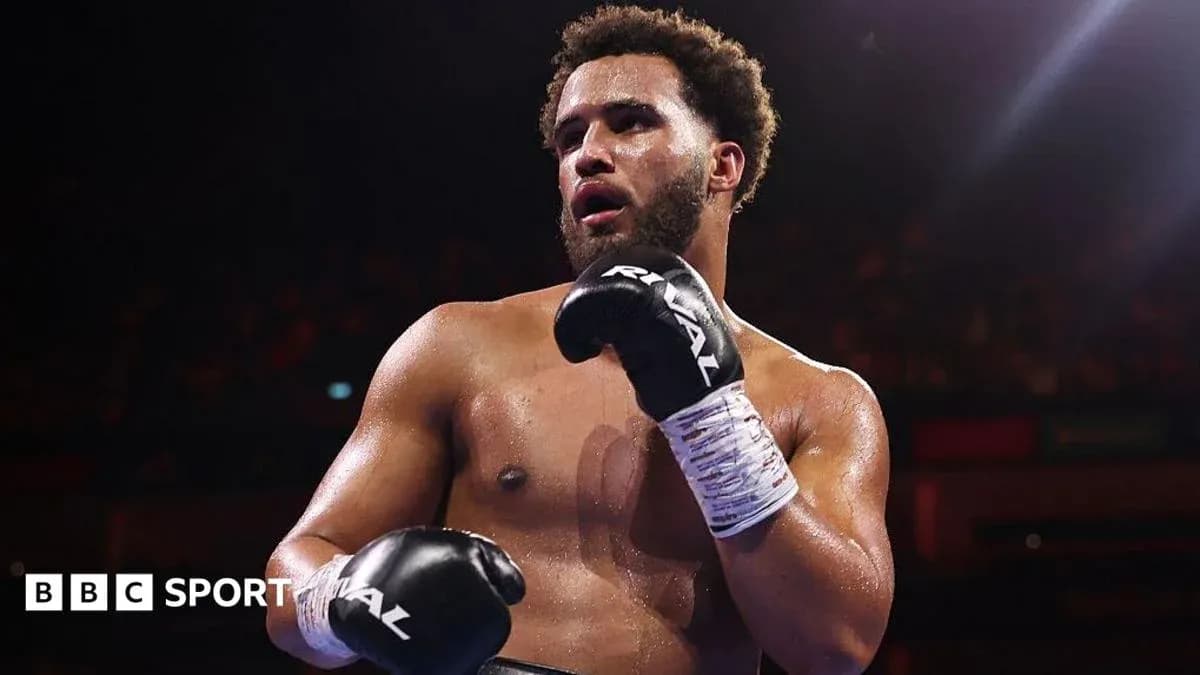
For eight rounds he looked, at times, like the future of the heavyweight division. Faster. Sharper. Cleaner. His left hand kept snapping into Filip Hrgovic’s face, his feet carried him in and out of range with the swagger of a man who has never really been made to pay for his ambition.
Then the bill arrived.
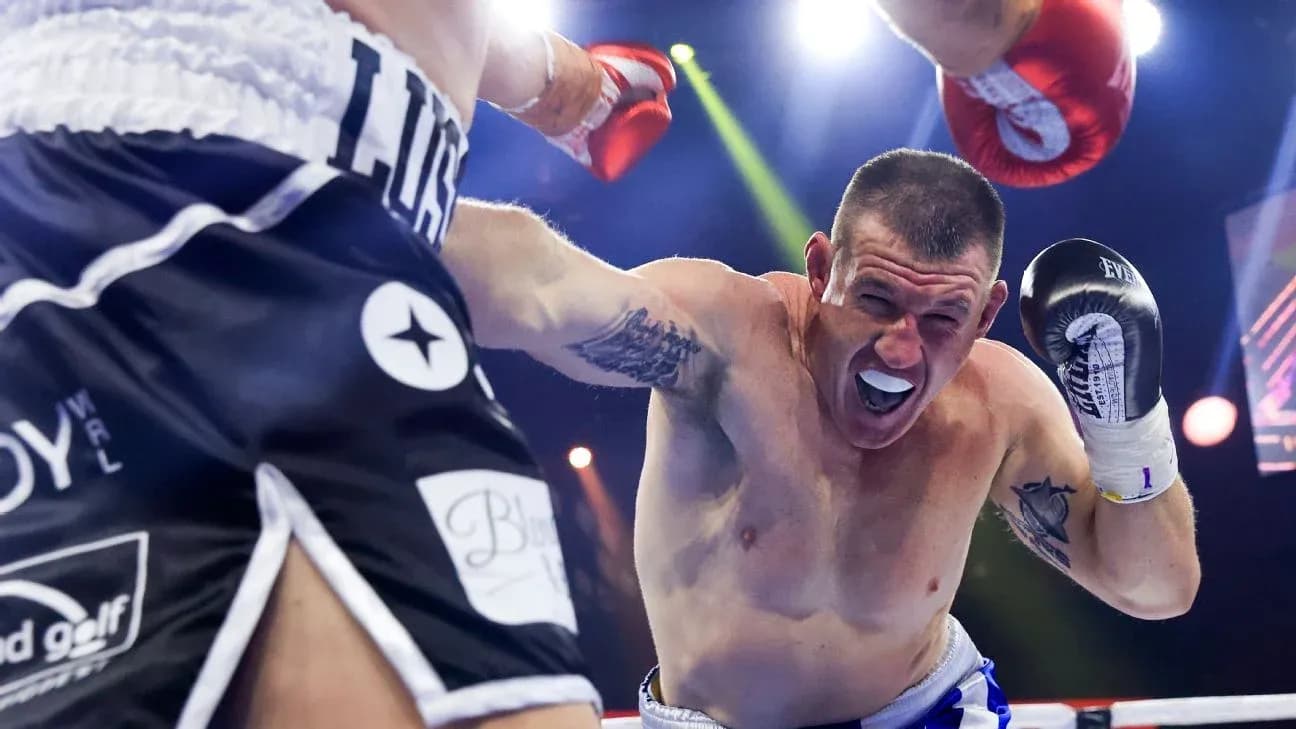
By the ninth, Itauma’s mouth hung open, his legs heavy, the snap gone from his work. Hrgovic, who has lived through the kind of hard nights Itauma had only read about, simply kept walking forward, kept punching, kept believing the younger man’s body would betray him. It did. The referee stepped in as Itauma’s corner threw in the towel, and the IBF heavyweight title went to the granite Croatian.
The images afterwards were jarring. Itauma, beaten for the first time in his 15-fight professional career, leaving the arena on a stretcher and heading for hospital.
"It's precautionary that he's gone to the hospital. That's what we always do to make sure because the most important thing is the boxer's health," said promoter Frank Warren, who also revealed the youngster had hurt his leg. "He was quite tired. It was a high paced, fast fight for both the guys."
This was not a night that exposed Itauma as a fraud. Quite the opposite. His boxing showed he belongs in this company. What it did expose was the brutal gap between raw, world-level talent and the hardened, ugly craft of surviving and managing a 12-round championship fight.
Mind Games, Fast Pace, and a Flawed Mission
To reduce Hrgovic’s victory to psychology alone would be lazy. But he certainly made the build-up uncomfortable.
All week, the 34-year-old hammered away at one theme: age. Itauma, he insisted, was "just a kid". The taunts landed. As the days passed, the young Briton’s irritation grew. At the weigh-in he finally snapped, shoving Hrgovic, who replied with a slap. A line had been crossed before a punch had been thrown.
Itauma prides himself on being unusually cerebral for a heavyweight. He reads psychology and self-help books, talks about sharpening his mind, dissects himself with a level of introspection rare in a 21-year-old. But there is a fine line between thinking and overthinking. Anthony Joshua has walked that tightrope for years.
Once the first bell rang, Itauma’s intention was obvious: he wanted to end the night early.
"Someone said to me he doesn't feel like he'd win a world title unless he knocks him out. I didn't like that," Warren admitted afterwards.
That kill-or-be-killed mentality had served Itauma spectacularly well against lesser men. Against Hrgovic, it became a trap. The Croatian had been underestimated by almost everyone – the fighter in front of him, the pundits, the bookmakers who made Itauma a heavy favourite.
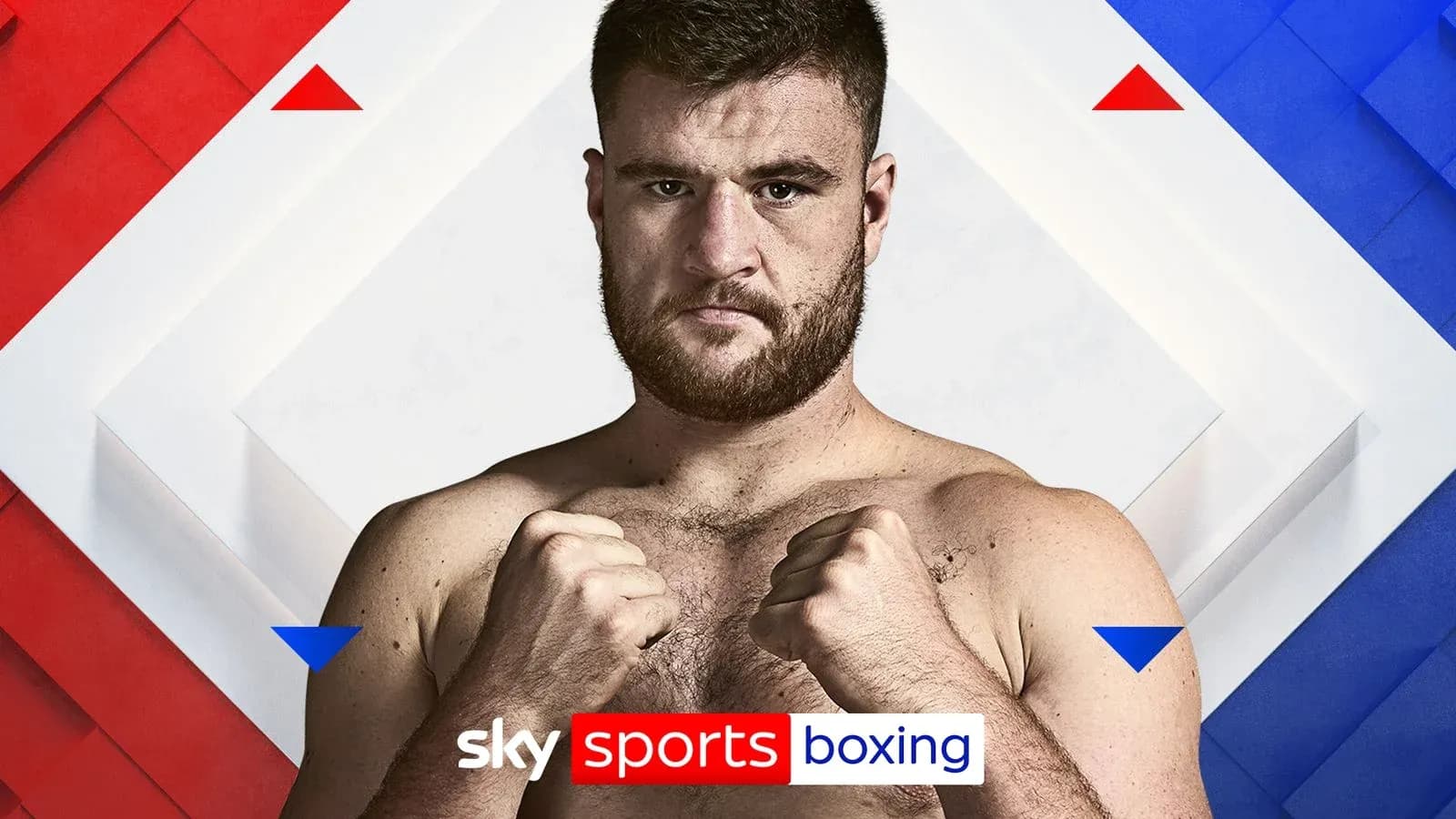
Hrgovic is not some manufactured gatekeeper. He is an Olympic bronze medallist who went 12 gruelling rounds with Zhilei Zhang. Against Daniel Dubois, the only defeat on his record, he was ahead on two of the three scorecards when cuts forced the stoppage. "El Animal" knows what it is to be hurt, to be exhausted, to keep fighting when the night is going badly.
Itauma did not. Not yet.
When Talent Meets the Deep End
The eighth round told the story of the fight in miniature. Itauma emptied the tank. He threw more punches than in any other round, pouring what remained of his energy into trying to remove a man who had already shown he is exceptionally difficult to shift.
"He was throwing too much. He was fighting like an amateur," Hrgovic said. "I knew I needed to endure it. I need to stay there. He will get tired and I'll get him in the later rounds."
He was right. Itauma’s ambition outran his engine.
The questions now stretch beyond the young heavyweight himself. Preparation matters. Before this fight, Itauma admitted he had never gone beyond six rounds as a professional. More strikingly, he said he had never even sparred 12 rounds. That is not a small oversight when you are stepping into a world-title fight.
His conditioning simply was not where it needed to be. That responsibility does not sit solely on the fighter’s shoulders. It falls on the experienced team trusted to guide him into the deepest waters of the sport.
And yet, inside the chaos, there were clear positives. The skills that had dazzled against lesser opponents did not evaporate under world-level pressure. His hand speed troubled Hrgovic. He made the Zagreb man look slow at times. He took punches without any single shot exposing a fragile chin.
The tools are real. They just met a man who has spent years learning how to use his own.
Rebuild or Retreat?
So where does Itauma go from here?
Hrgovic, the man who beat him, offered blunt advice: "Don't give up. Don't lose confidence. Get a few easy fights, easy wins. Build again and learn off these mistakes. You can't box like an amateur. It's a 12-round fight, you need to pace yourself."
Warren remains convinced he has something special on his hands. He points to Dubois, a two-time world champion who rebuilt from painful defeats to Joe Joyce and Oleksandr Usyk, as proof that a heavyweight career is not defined by one bad night.
But British boxing has seen the other script as well. David Price once carried the same aura of inevitability that surrounded Itauma. Successive defeats chipped away at that aura until it never truly returned.
From now on, every Itauma performance will be dissected. Viewers will watch his breathing, his pacing, his body language when a fight goes past the halfway mark. The sense of invincibility has gone, replaced by something more fragile and arguably more compelling.
The schoolboy bully of the gym has finally been taught a harsh lesson under the brightest lights. The question now is not how high his ceiling is. It is whether he can live with the memory of this night long enough to reach it.