Mixed Martial Arts Makes Asian Games Debut with Eyes on Olympics
NAGOYA — Once denounced in the United States as “human cockfighting” and driven to the fringes of sport, Mixed Martial Arts has walked through the front door of the Asian Games. Now it has its eyes on the Olympic rings.
This week in Japan, MMA steps into a multi-sport arena long dominated by boxing, judo and wrestling. For its backers, this is more than a debut. It is a declaration of intent.
“It’s a big step,” said Galastein Tan, director general of the Federation of International Mixed Martial Arts, speaking in Nagoya. For him and his colleagues, appearing at a continental showpiece ticks a crucial box on the long checklist towards Olympic recognition.
“As for any sport, the inclusion in the continental games is critical,” he said. “Obviously the inclusion means that you already have a good governance structure, you have enough members, athletes to be able to compete, your ruleset, your officials are ready and therefore it is a significant one.”
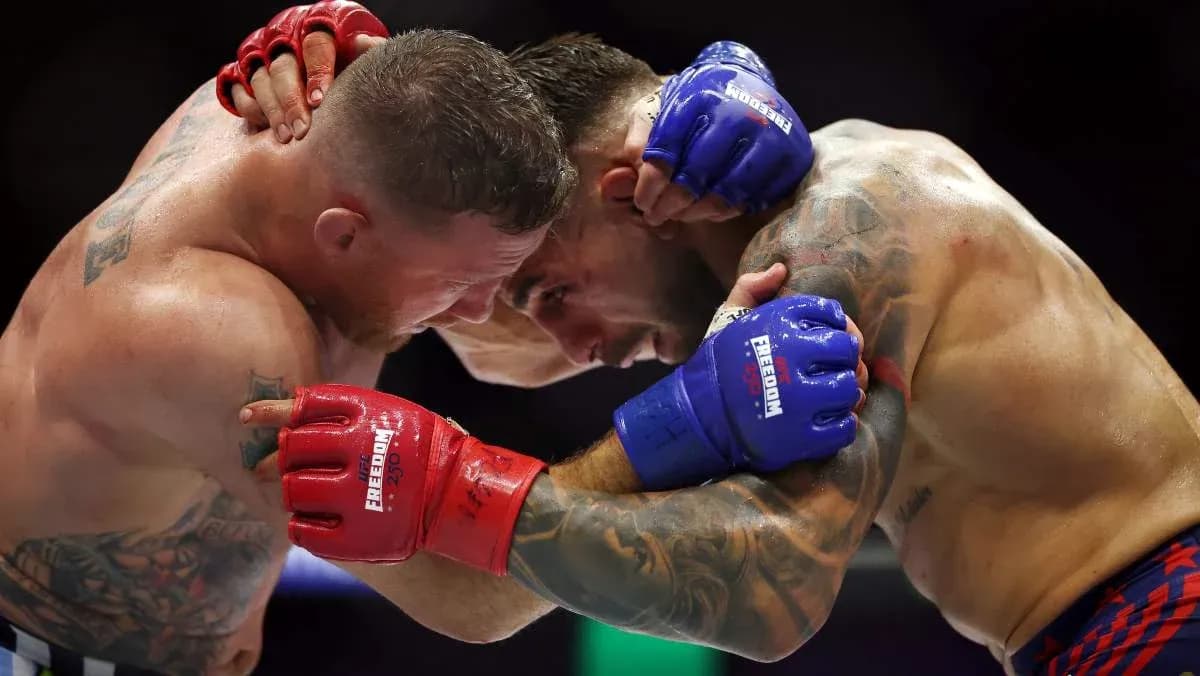
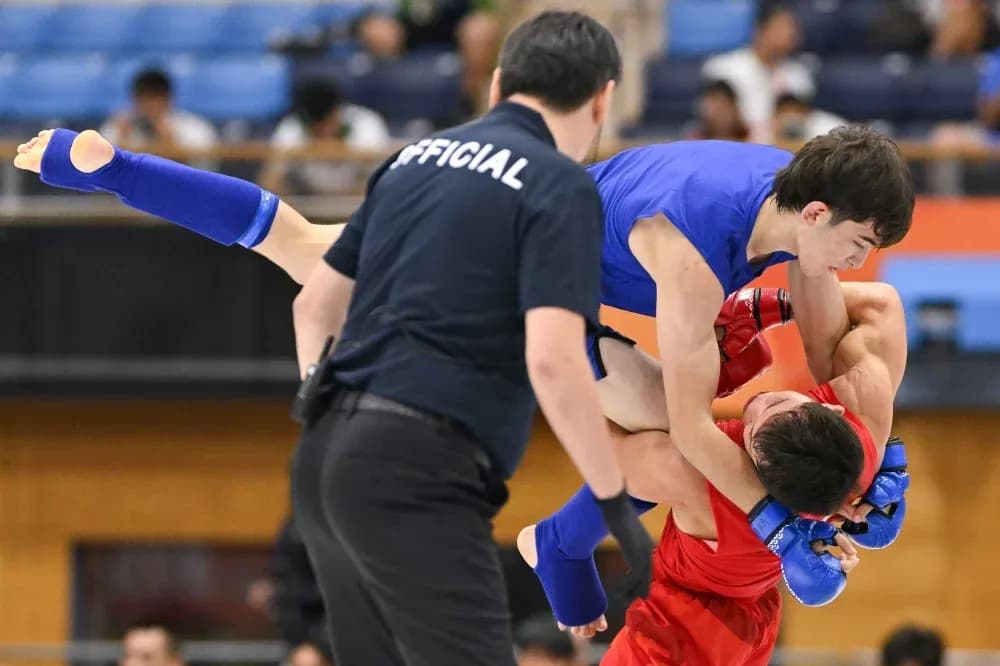
Inside a compact venue that feels more like a school gym than a grand arena, men and women trade punches, kicks and takedowns in separate divisions. The crowd is modest in size, not in volume. Every clean strike and scramble on the mat draws roars and sharp intakes of breath.
The flags tell their own story. Thailand. Kazakhstan. The Philippines. Japan. Countries steeped in Muay Thai, wrestling, boxing, karate and judo now feeding their traditions into a sport that stitches all of them together.
Cage sport without a cage
For fans raised on the Ultimate Fighting Championship, the differences are obvious the moment the first bout begins.
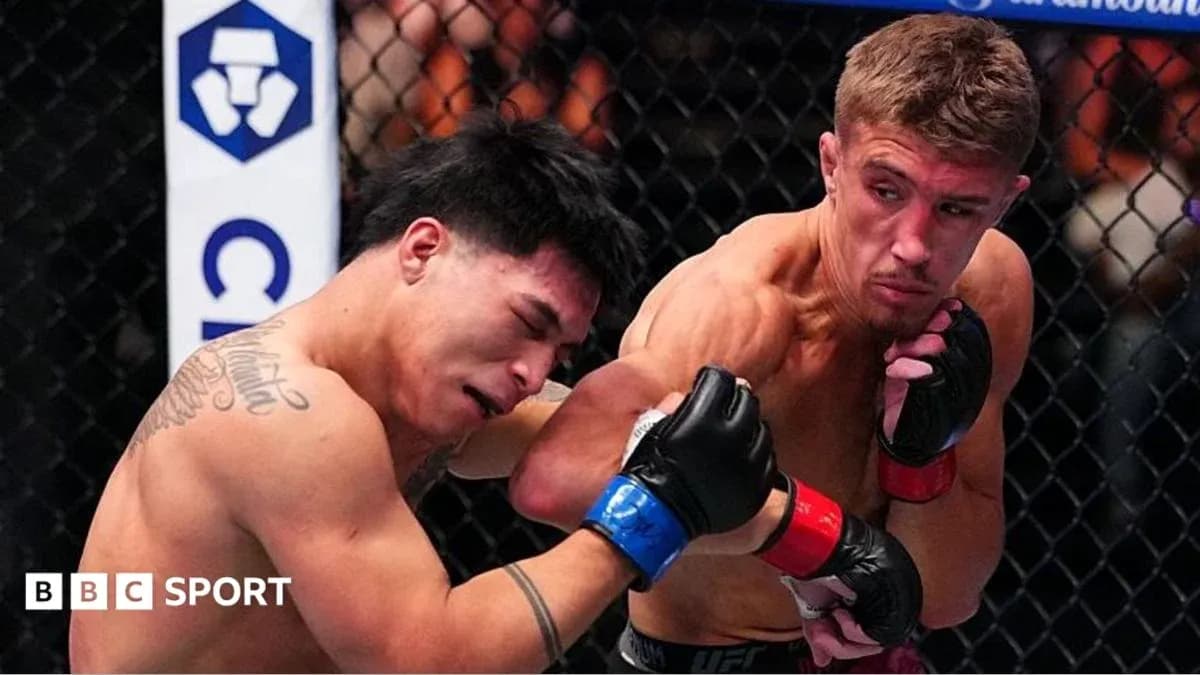
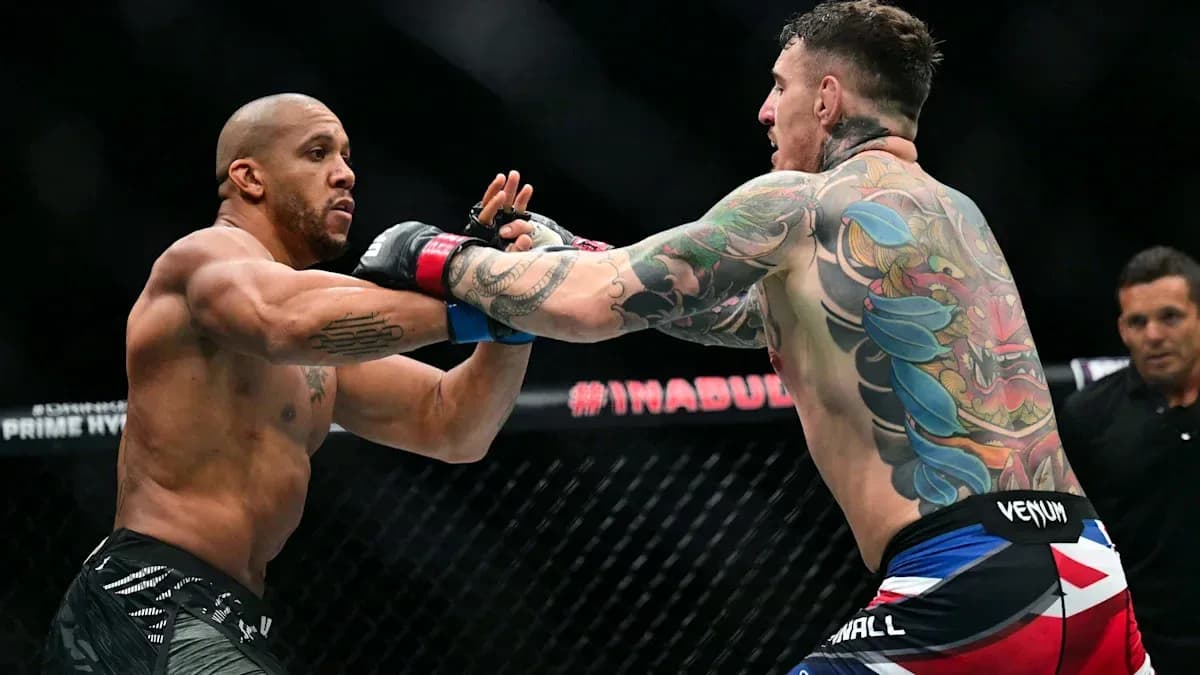
The UFC turned the caged octagon into an icon, a steel symbol of the sport’s rise from outcast spectacle to mainstream entertainment. In June, it even staged a card on the South Lawn of the White House — an image unthinkable when US senator John McCain was comparing the sport’s early days to cockfighting in the 1990s.
Here in Nagoya, there is no cage. No fence to lean on, no metal mesh to trap an opponent against. Fighters move across a white and grey mat, open on all sides.
For athletes used to bouncing off fencing, that changes everything — tactically and symbolically. Tan makes no secret of why the set-up looks different.
A cage, he says, “does not really align with Olympic values”.
That line hints at the delicate politics behind MMA’s Olympic push. The sport has to convince sceptics that it can be codified, regulated and made palatable without losing the intensity that made it popular in the first place.
One of the biggest hurdles is technical but crucial: getting the world to agree on a single ruleset. What techniques are allowed? How are fouls defined? Where does safety end and over-sanitising begin? Until those questions have one global answer, the Olympic door stays closed.
A pathway for the next generation
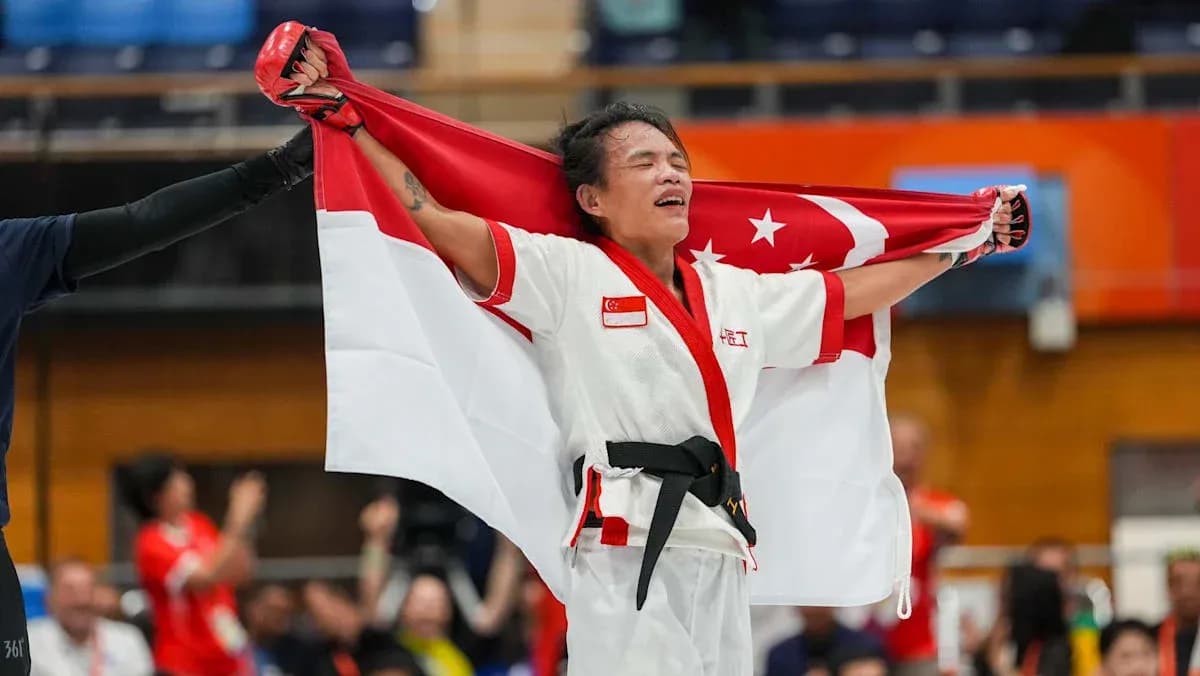
On the mat, those debates feel distant. For fighters like Singapore’s Teo Hui Hoon, guaranteed at least a silver medal this week, the Asian Games are already changing the landscape.
“I think it will grow the talent pool a lot,” she said. For her, this is about visibility and legitimacy as much as medals.
“It will encourage more children and teenagers to take up the sport and take it seriously. Because now there’s a clear pathway, right? You can join a national team, the next step you can go to the Olympics.”
That pathway does not yet exist in reality, but the outline is suddenly visible. National federations. Continental games. A recognised international body. These are the bricks every Olympic sport has had to lay.
MMA’s backers know they are not alone in the queue.
A crowded race to the Games
Teqball — a slick, television-friendly blend of football and table tennis — is also making its Asian Games bow. So is padel, the racquet sport that has exploded across Europe and beyond. Both are already circling the Olympic movement.
They join a long line of hopefuls chasing limited slots on an already crammed programme. Every new arrival means someone else misses out. The lobbying is intense. The politics even more so.
“We have been in talks with the IOC and other relevant stakeholders that have influence or decision on the recognition,” Tan said, sounding upbeat rather than daunted.
The sport does not lack high-profile allies. UFC president Dana White has been vocal in his support for Olympic inclusion, pointing to the UFC’s global reach and surging popularity. The organisation’s success has dragged MMA from smoky backrooms and marginal TV slots into primetime, pay-per-view and mainstream conversation.
Yet the perception problem lingers. For some within the Olympic movement, MMA remains too violent, too raw, too close to its bare-knuckle origins. Convincing them that modern MMA is tightly regulated, medically monitored and officiated with safety in mind will be a long campaign.
Just as important is the question of governance. At present, MMA is fractured, with multiple organisations and promotions operating under different banners and slightly different rules. The Olympic model demands one recognised international federation to speak for the sport. Without that unified voice, the pitch to the International Olympic Committee remains incomplete.
Eyes on LA and beyond
The timeline is unforgiving. Los Angeles 2028 is almost certainly out of reach. The programme is already taking shape, and new sports rarely appear this late in the cycle. Brisbane 2032 sits further away, but even that is closer than it looks in Olympic terms.
“Nothing is impossible,” Tan insisted.
He believes MMA can offer the Games something they crave: a sport with a huge youth following, a digital-native audience and a global footprint that stretches from North America to Asia, from Europe to Latin America.
“We hope that MMA is a sport that the Olympics finds relevance to and the ability to connect with both adults and also the youth,” he said. A sport, in his words, “which has global appeal and a sport that is ready and capable of fitting into a major Games schedule.”
For now, the fighters in Nagoya are not thinking about Brisbane or LA. They are thinking about the next bout, the next exchange on the mat, the next medal.
But the people in suits, the ones taking notes at the back of the hall and shaking hands in hotel lobbies, have a different clock in mind. They know that one phone call from the IOC or an organising committee could change everything.
“So if the IOC or LA28 comes and say, MMA, would you like to be in as a medal sport or demo sport,” Tan said, “we are ready.”
From “human cockfighting” to waiting for an Olympic invitation. The sport that once lived in the shadows now stands under the brightest lights it has ever seen. The only question left is whether the Olympic movement is ready to step into the cage — or in Nagoya’s case, onto the mat — with it.