Madison Keys Advances to US Open Second Round Amid Rain Delays
On a day when the US Open schedule dissolved into a mess of rain delays and restless players, Madison Keys had something priceless: a roof and a rhythm.
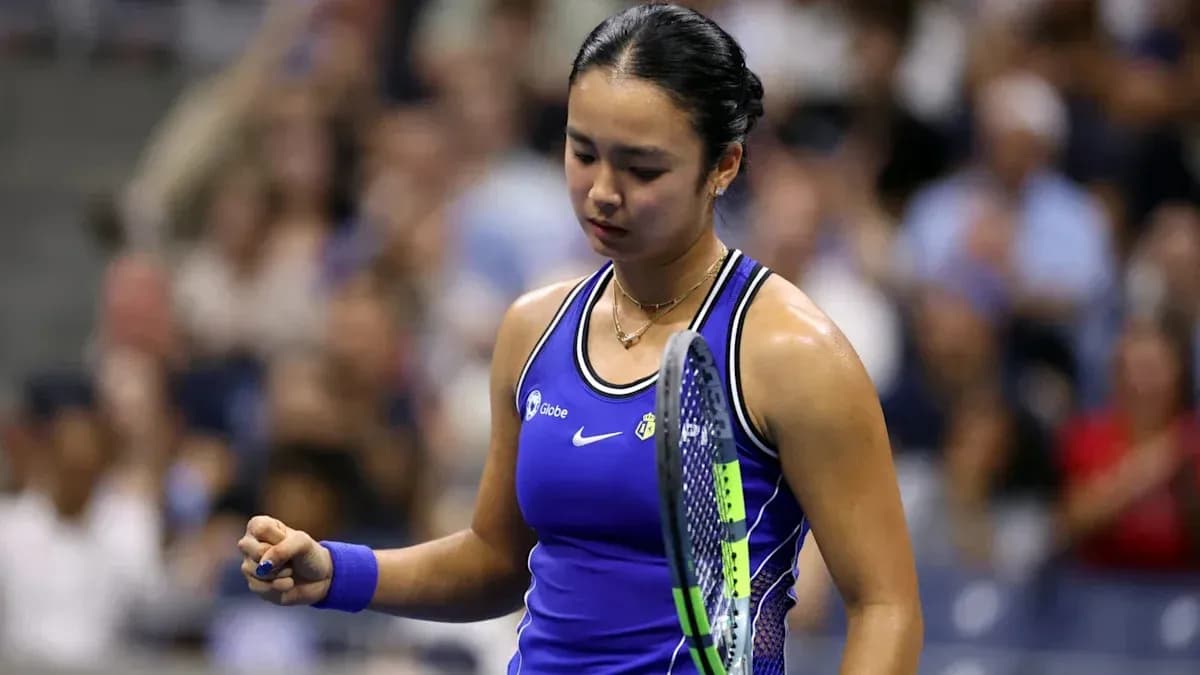
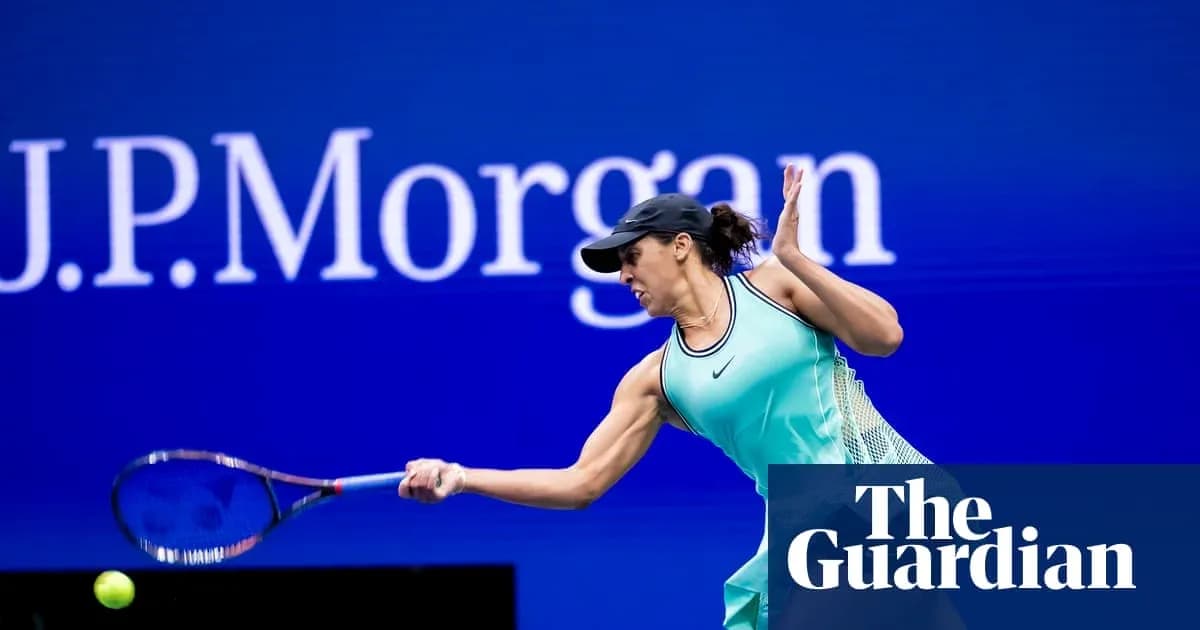
While much of Flushing Meadows sat idle, the 31-year-old American made full use of her stage on Arthur Ashe Stadium, handling the tricky Alina Korneeva 7-5, 6-4 to move into the second round and steady her footing at a tournament that has given her some of her highest highs and hardest knocks.
This is Keys’s 15th US Open. The number sounds wrong when you say it out loud, especially about a player who still talks and competes with the energy of someone only just entering her prime. She turned professional on her 14th birthday back in February 2009; now, more than half her life has been spent on tour.
She has been thinking about that a lot.
“I was thinking a little bit more about it just because the last couple of days everyone keeps reminding me that it’s my 15th US Open, which doesn’t feel possible because I’m so young,” Keys said, laughing.
The laugh matters. It cuts through what could easily become a heavy reflection. Keys has worn the grind of the sport, but she has also been shaped by it.
“It’s just I think that in a lot of ways it’s been a huge blessing I started so young, just because I really got to get into it at such a young age and when I didn’t really even understand what was going on, so I was able to just kind of experience it in a really different way.
“But it’s definitely been, I think, the most interesting, because I feel like as a person I’ve changed a lot throughout the years and kind of just evolved as a person while getting to kind of do the same job.”
This season, she arrives in New York as the 2025 Australian Open singles champion, carrying the authority of a major winner and the scars of this city. Twelve months ago, she walked off these courts stunned, beaten in the first round by world No 82 Renata Zarazúa, one of the more jarring defeats of her career.
That memory gave Monday’s win extra weight. Against Korneeva, Keys didn’t dazzle so much as she refused to wobble. On a day when the rain rattled the schedule and the occasion can squeeze the breath out of even the most seasoned player, she stayed solid. The big first strike, the heavy forehand, the willingness to step in on second serves – it was all there, but controlled.
The tension, she says, is everywhere in the days before the first ball is struck.
“You can kind of feel [the tension] as the days are getting closer,” Keys said. “Everyone gets here, you have a week, everyone is excited to be here, and then as the days are slowly getting closer to first rounds, rackets are maybe getting a little slippery, you can hear more yelling happening, and you can kind of feel the tension.
“I think collectively we all just get really anxious. We’re probably feeding off of each other as well, but we all want to do well. It all feels like I think the buildup is always so hard, just because you’re so in it and you’re anticipating the tension that’s going to happen and the anxiety that’s going to happen. So it’s definitely very relevant and very real.”
On Ashe, with the roof closed and the rain drumming above, she cut through that anxiety. No drama, no five-set-style epic, just a professional job done by a player who has seen almost everything this sport can throw at her.
Rybakina’s No 1 chase gathers pace
On the outer courts, the rain finally relented long enough for Elena Rybakina to take her own first step toward a different kind of milestone.
The Wimbledon champion moved into the second round with a clean, controlled 6-3, 6-2 win over 17-year-old American wildcard Thea Frodin, a teenager who found out quickly what top-tier power and precision feel like under Grand Slam lights.
Rybakina arrived in New York with a lingering question mark over her fitness after a foot injury at the Cincinnati Open forced her to retire from her quarter-final against Iga Swiatek. Any concerns eased as she moved comfortably through the match, dictating from the baseline and never allowing Frodin a foothold.
The stakes for her fortnight are clear. Rybakina is already sitting at No 1 in the live rankings. She will become the official world No 1 for the first time in her career if she reaches the semi-finals here and if Aryna Sabalenka, Jessica Pegula and Coco Gauff all fall short of the title.
It is a narrow pathway, but the first step looked assured.
Cobolli’s five-set escape
In the men’s draw, Flavio Cobolli delivered the kind of escape act that can transform a campaign before it has even begun.
The fifth seed and French Open finalist looked on the brink of a brutal early exit against Francisco Comesaña, dropping the first two sets 3-6, 2-6 and staring at the wrong end of an upset. Then the match flipped.
Cobolli clawed back 6-3 in the third, tightened his game in the fourth for 6-4, and rode that surge all the way through a tense deciding set, closing it out 6-4. From two sets down to a 3-6, 2-6, 6-3, 6-4, 6-4 victory – one of the best comebacks of his career, and exactly the kind of grind that can harden a player for the battles to come.
On a soaked, stop-start opening day in New York, Keys’s composure under the roof, Rybakina’s calm pursuit of the summit, and Cobolli’s refusal to fold all pointed in one direction: this US Open may be messy, but it already has a hard edge.