Katie Taylor's Historic Fight at Croke Park: A New Era in Irish Sport
Eddie Hearn stood on the Croke Park stage last June and tried to summon the appropriate sense of awe.
"It's not often I'm lost for words," he began, before reaching for the big line.
"The last person to fight at this incredible stadium? Mohammad Ali."
It was a promoter’s flourish, and a telling one. The international rules series, the NFL games, the baseball curios of the 1940s – all of that slipped his mind. What mattered in that moment was the echo of Ali and the idea that Katie Taylor, on a Dublin night, might step into the same kind of myth.
From Ali’s Dublin to Taylor’s
When Ali came to Croke Park in July 1972 to face Al “Blue” Lewis, Ireland treated him like a visiting head of state.
He was mobbed at Leinster House. He sat down for a long, searching television interview with Cathal O’Shannon. He met Taoiseach Jack Lynch. Eddie Keher showed him how to swing a hurl.
Ali wanted to meet Bernadette Devlin most of all. They had lunch on the day of the fight and talked politics, where they were in lockstep. The boxing almost felt like a sideshow to the cultural event.
For Michael “Butty” Sugrue, it was anything but. The Killorglin-born publican, once billed as “Ireland’s Strongest Man” with Duffy’s Circus, had gambled big as promoter. Only 18,000 people came through the gates, many without paying. The show lost money.
GAA director general Seán Ó Siocháin publicly rebuked Sugrue for overpricing tickets. Dave Hannigan, in his book The Big Fight: When Ali Conquered Ireland, argued that Ali’s near-constant visibility in Dublin dulled the urgency. The great man was everywhere, so the fight itself didn’t feel like a once-off.
For Hearn, if he cared to look, there was a warning there. Croke Park can make legends. It can also swallow them.
Rule 42 and a changing Croker
Ali’s night in Dublin came long before the unpicking of Rule 42, the much-misunderstood clause that loomed over Croke Park for decades. Contrary to the pub-stool version, the rule didn’t explicitly ban “foreign sports” from GAA grounds. On paper, it barred horse racing, greyhound racing and “field games other than those sanctioned by Central Council.”
In reality, that meant the British codes. Soccer and rugby knew exactly where they stood. Even so, Croke Park still found room for four American football games before the rule was eased, and even a couple of baseball exhibitions in the late 1940s.
The real shift came in 2005. With Lansdowne Road due for redevelopment, Congress voted – initially on a temporary basis – to lift the restriction. The thought of Ireland playing home soccer matches at Anfield concentrated minds. Delegates who might once have dug in suddenly discovered an ecumenical streak.
They had come close before. In 2001, a push to scrap Rule 42 fell just two votes short of the required two-thirds majority. Then-president Seán McCague, no friend of radical change, brushed off calls for a recount. Tradition lived to fight another day.
Not for long. The modern Croke Park that awaits Katie Taylor is unrecognisable from the arena Ali walked into 54 years ago. The ground that was once a reluctant emergency home for soccer and rugby has blossomed into a multi-purpose, money-spinning stage.
From emergency venue to “Caesar’s Palace”
This summer underlined the transformation. Croke Park, initially opened to the FAI and IRFU as a stop-gap to spare Ireland the embarrassment of staging competitive “home” games abroad, now rolls out the red carpet for pre-season glamour.
Manchester United versus Leeds United arrived in 2026 as a friendly in name only. The rivalry still crackles, even in July, and the game drew the biggest crowd ever to watch a soccer match on the island of Ireland.
GAA President Jarlath Burns turned up in his official capacity, content to enjoy the spectacle even if he had no skin in that particular game. He’s an Arsenal man, as he’s reminded people often enough.
Compare that with John Downing in the late 1980s. The then-GAA president famously told a Sunday newspaper he wouldn’t be watching Ireland play England in Stuttgart at Euro ’88. He was planning to mow the lawn instead. The distance between those two presidencies tells its own story.
If there was outrage over United-Leeds, it came more from League of Ireland ultras than from GAA purists. Some in the association grumbled, but the real fury crackled on the domestic soccer terraces.
Pat Gilroy offered perhaps the sharpest line. Speaking to the Irish Times, the former Dublin manager said he now calls Croke Park “Caesar’s Palace because it’s just a revenue generator. And that’s not Peter McKenna’s fault. He’s doing a great job but he’s doing it with the hand he’s dealt, which is ‘we need more money’.”
McKenna, Croke Park’s commercial chief, doesn’t exactly deny it. He’s already talking up the idea of more Premier League pre-season blockbusters in the years ahead. He’s even floated Croke Park as a potential Champions League final venue.
You don’t have to look far to see why. The GAA’s annual financial reviews spell it out. The 2024 report showed a 19% jump in overall revenue, powered largely by a hectic Croke Park calendar. Stadium income surged by 60% compared with the previous year, even though match-day attendances actually dipped.
The difference? In 2024, Croke Park staged seven concerts – Bruce Springsteen, AC/DC twice, and four nights of Coldplay. In 2023, there were none, unless you count the Mary Wallopers’ turn before the All-Ireland hurling final.
The split season, the calendar fight – and the cash
Critics of the split season love to point at those concert figures. For them, the calendar isn’t about club players and certainty. It’s about clearing the decks for Springsteen and Coldplay. Croke Park, in that telling, is no longer a cathedral of games but a festival site with a few finals attached.
The truth is messier. Club players have pushed hard for a defined window. The GAA hierarchy, not the grassroots, recently tried to edge the All-Ireland finals into August with a compromise motion. By the time Congress rolled around, the proposal was so obviously doomed it was pulled before delegates could even vote it down.
The upshot? Croke Park – or “Caesar’s Palace”, if you prefer Gilroy’s version – remains wide open for musical A-listers, Premier League giants and boxing spectaculars through August and early September.
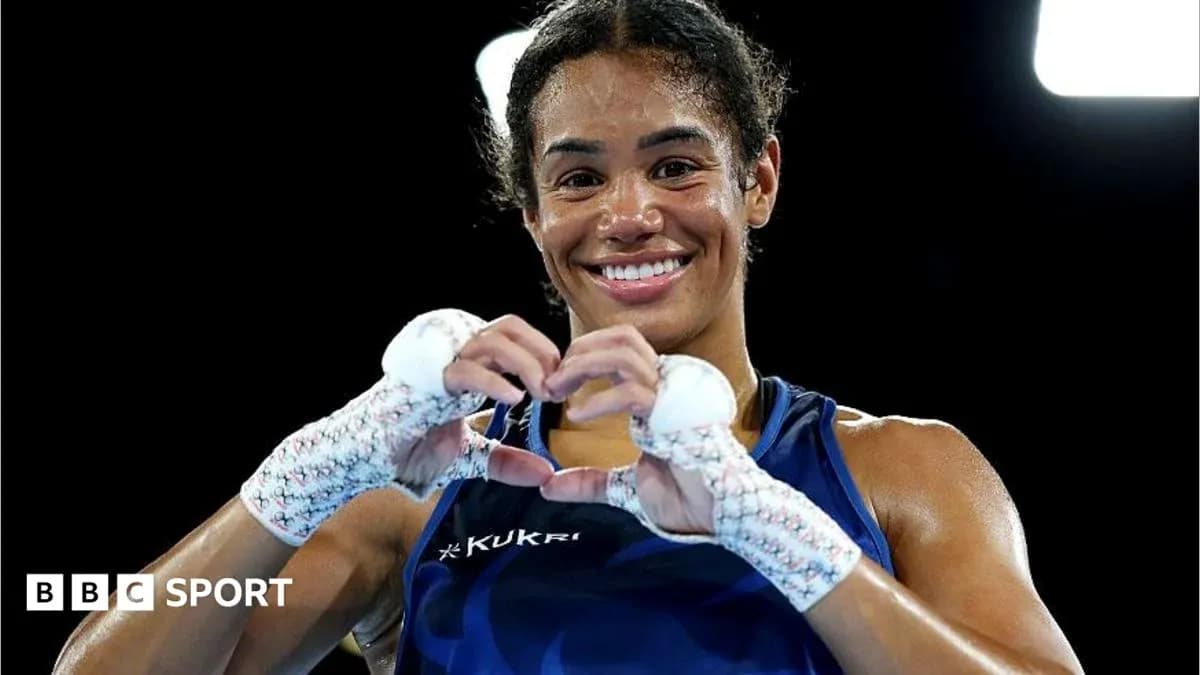
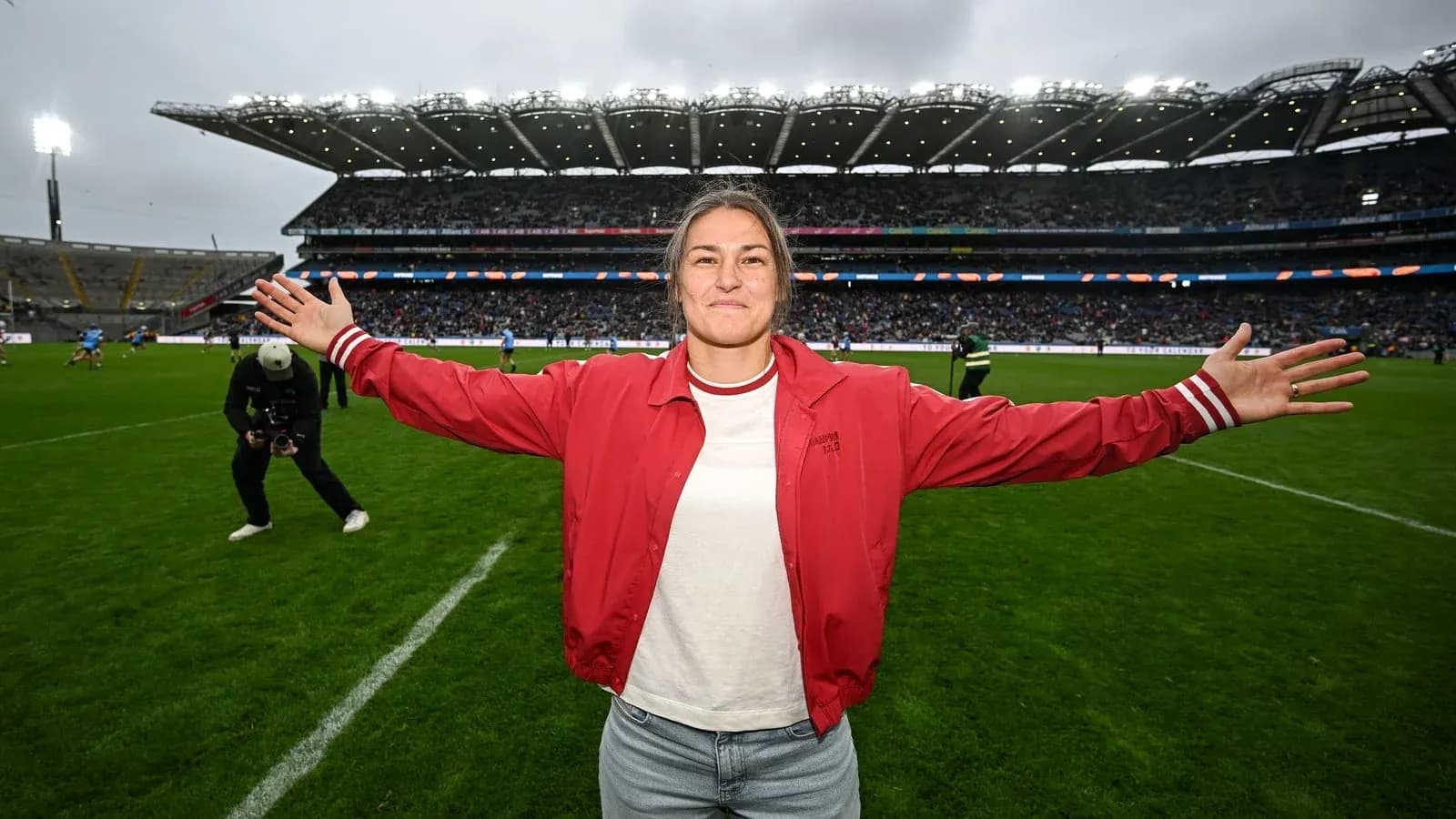
Into that space walks Katie Taylor.
Taylor’s night, Taylor’s line in the sand
Her long-awaited fight at Croke Park lands on one of the most evocative weekends in the GAA year. Traditionally, the first weekend of September belonged to the All-Ireland hurling final, with only brief interruptions between 1997 and 2005 and again in 2012-13, when the decider slipped to the second Sunday.
From a traditionalist’s viewpoint, this Saturday should be about Galway and Limerick supporters descending on Dublin, filling the pubs and hotels, swapping stories of Joe Connolly and Joe McKenna on the eve of a final. A night when Daithí and Jacqui sit them down on television and rewind to 1980.
Instead, the stadium will belong to a woman who grew up dreaming of this very stage. Whatever their misgivings about the calendar, even the most diehard GAA loyalists will struggle to begrudge Katie Taylor her Croke Park moment.
She made the stakes clear back in June. The Aviva Stadium was never going to be enough. If that was the only option on offer, she said she would walk away.
It was Croke Park or retirement.
Croke Park or nothing.