Katie Taylor's Emotional Farewell Fight at Croke Park
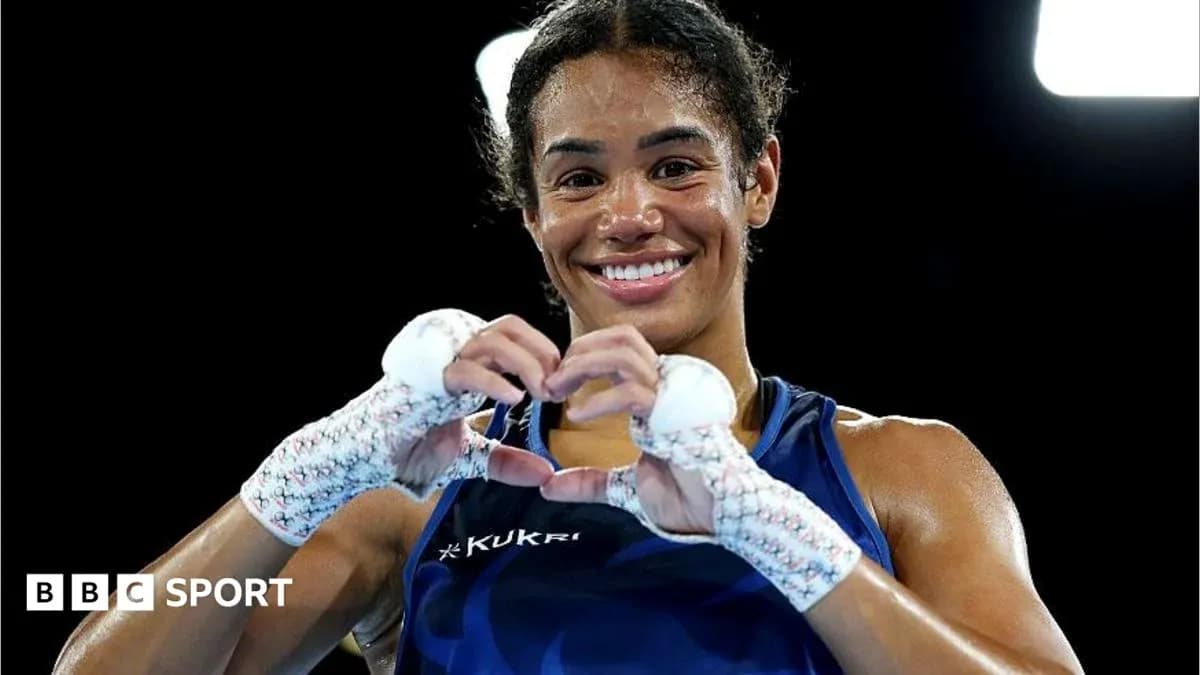
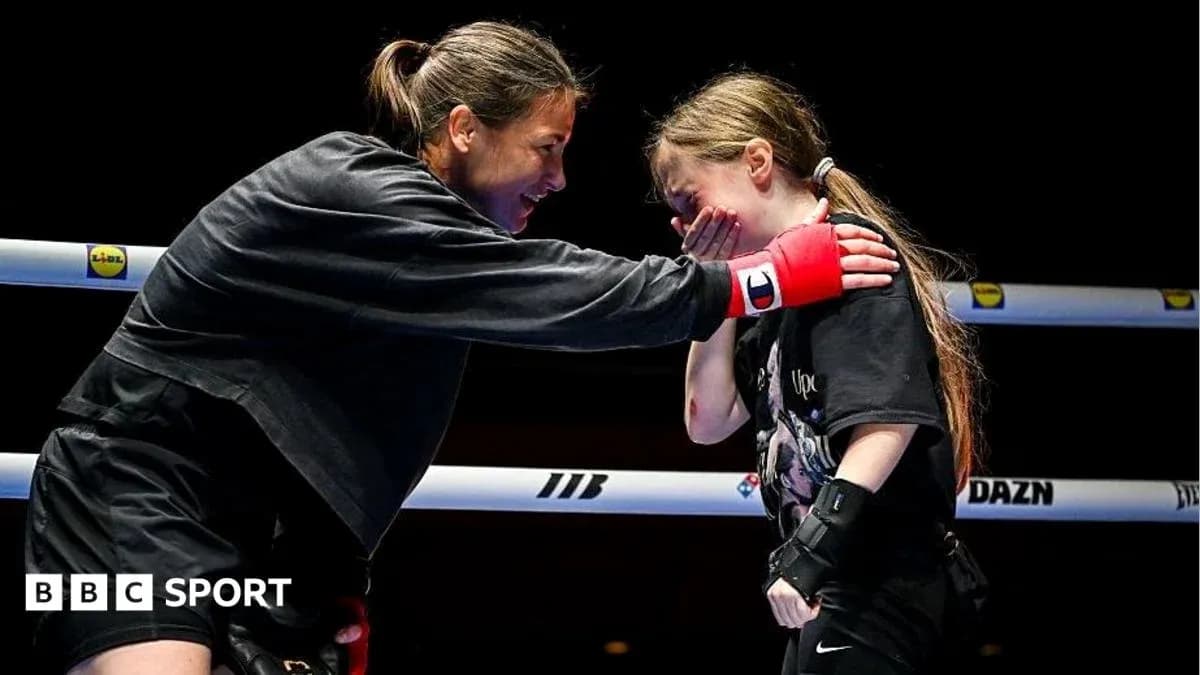
Katie Taylor smiles as she takes her seat for fight-week duties. The cameras catch it. The notebooks come up. But the eyes tell a different story.
On Saturday night at Croke Park, against unbeaten French challenger Flora Pili, Ireland’s defining fighter walks towards the end. From the girl who once tucked her hair under a headguard to box as a “boy” in a sport that shut its doors to women, to Olympic gold, to undisputed world titles, the arc closes in front of 80,000 people and a nation watching.
The weight of all those years is finally leaning on her shoulders.
“I thought I was handling all the emotions until today,” the 40-year-old admits to BBC Sport.
The armour that carried her through a lifetime of training camps and title fights has slipped this week. There is no talk of future opponents, no next division, no rematch clause lurking in the small print. Just a stadium, a soundtrack of “ole, ole, ole” and one last walk.
“This is the stuff of dreams and I’m pinching myself that it’s happening,” she says. “I look back at my career and think how remarkable it has been. The highs, the lows, the failures, the disappointments and the successes.”
For years, Taylor has treated fight-week theatre like an occupational hazard. Media rows, face-offs, staged staredowns – necessary noise before the real work. Her comfort zone has always been the gym, the grind, the quiet.
This week is different. She lingers a second longer at the face-offs. She wells up under the lights. She lets the moment breathe.
“Every fighter in the world wishes they were in this position,” she says. “I’m just blown away from the support from this country. I don’t think there are many other countries where 80,000 show up for a female athlete.
“The crowd – hearing ‘ole ole ole’ one last time – feeling the atmosphere, seeing the tricolours all over the place…”
The emotion has not stopped with her. Eddie Hearn, the promoter who has ridden shotgun for so many of her nights, choked up mid-sentence at the final news conference when it hit him: this is the last Katie Taylor fight week he will ever sell.
“When it’s all said and done you will look at your belts, you might look at your bank balance. But you will sit there, close your eyes and recall all those incredible moments in your life that made you cry,” he later tells BBC Sport. “I will cry on the ring walk. I will cry in the [post-fight] interview.”
Taylor, usually clipped and businesslike, has loosened. She even joked during her final media slot about flipping the table just to break the monotony.
“Katie Taylor is one of the funniest people I’ve met. Unexpectedly funny,” Hearn says. “She’s so strong and determined. But people who know, she’s very jovial, she’s got great energy and I think she’s soaking all that up.”
Inside her camp, the tributes have flowed. Friends, coaches, family – and a manager who couldn’t resist stirring the national sporting debate. Brian Peters, the man who has steered her professional journey, playfully “apologised” to Roy Keane for bumping him down a place.
To them, there is no argument. Katie Taylor is Ireland’s greatest sportsperson.
Outside, Dublin hums with the proof. Taxi drivers stuck in traffic ask about spares. Bar staff in Temple Bar lean over counters with the same question. Every conversation seems to end the same way: “Any chance of a ticket?”
Even for Taylor, filling Croke Park is a colossal ask. She has never chased celebrity, never courted cameras for the sake of it, but she has thrown herself into this goodbye.
Peters led a relentless 1,500-mile bus tour that criss-crossed all 32 counties. Radio studios, community centres, photo ops in the rain. Four days, dozens of stops, no shortcuts.
“No-one works as hard as Katie,” Peters says. “Those four days she did not stop working. These stadiums don’t sell out on their own.”
At Kilkenny, the schedule screamed “keep moving”. Thousands swarmed the gates as the bus rolled in, the timetable already shredded. Taylor took one look and refused to drive on.
“Ah Brian, we can’t drive past them,” Peters recalls her saying, as she ordered the bus to stop and posed for group photos with the fans who had waited.
That decision, that instinct to connect, has helped turn Saturday into something more than a boxing show. About 80% of the crowd will be watching live boxing for the first time. Sixty-five percent of tickets have gone to fans outside Dublin. This is not just a fight; it is a national event.
With the bout on free-to-air television across Ireland and Westlife providing the music, Taylor’s farewell has swelled into a shared celebration. A night when an entire country gets to say thank you.
Somewhere in the middle of all that noise, Flora Pili has been moving quietly through hotel corridors and back doors, staying clear of the storm. The Frenchwoman brings a 12-0 record, ambition and the kind of opportunity fighters dream about.
“I have nothing to lose and everything to win,” the 29-year-old says.
Taylor knows that story well. She has lived it from the other side. But she has also been clever with her week. The media load came early, the tears and nostalgia front-loaded to leave space for the fighter to reappear.
“I don’t think I can prepare for what happens on Saturday, but I’m going to try and keep emotions in check and try and enjoy the ringwalk. But the most important thing is to win,” she says.
What comes after that? The question hangs there, heavy.
Asked how she will feel when Sunday morning finally arrives, when the gloves are off and Croke Park has emptied, Taylor lets the guard drop one last time.
“Probably a bit relieved – I don’t have to take any more punches again.”
The tears will almost certainly return at the final bell. This time, though, there is no rematch, no next camp, no date to circle on the calendar.
When the bell rings out over Croke Park on Saturday night, it really will be the last.