Katie Taylor's Unforgettable Farewell Fight at Croke Park
Katie Taylor walked away from boxing on her own terms, under her own lights, in her own city.
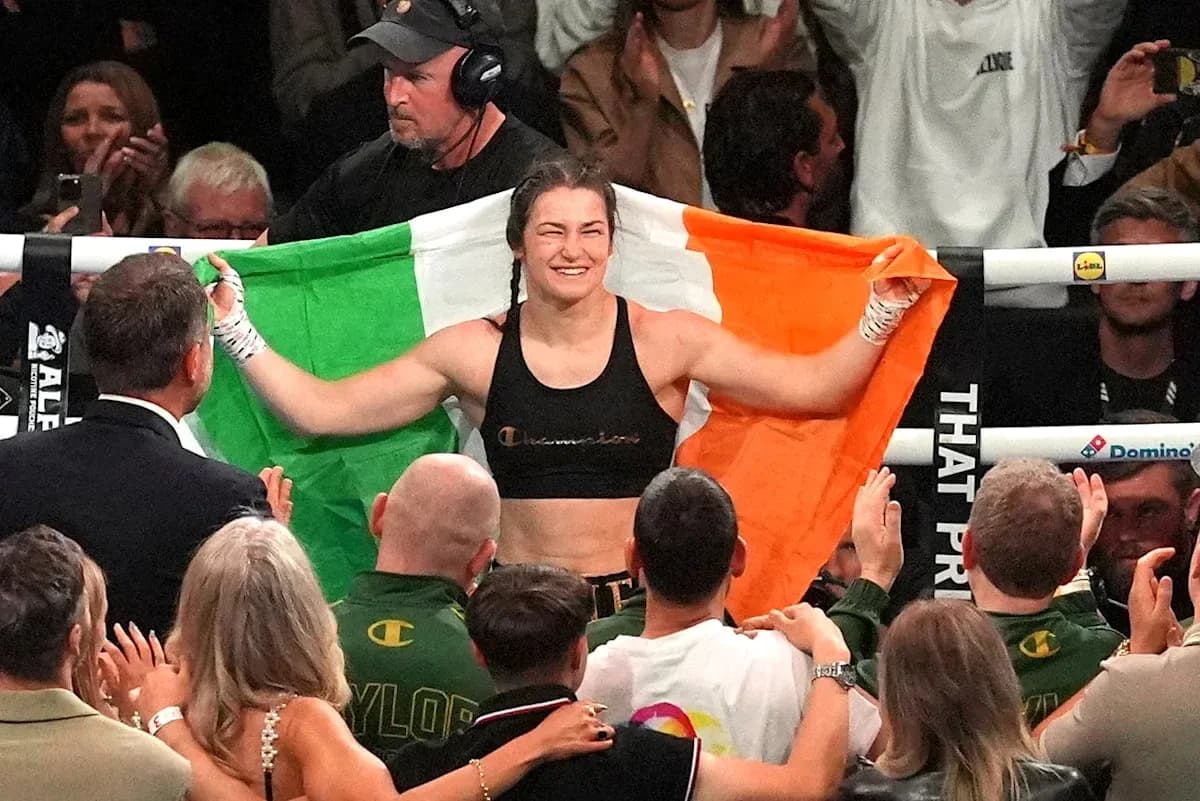
On a cool Dublin night at Croke Park, with more than 80,000 people roaring her name, the Irish icon outclassed Flora Pili over 10 rounds, banking scores of 100-90, 100-90 and 98-91. No drama on the cards. No late twist. Just a champion closing the book exactly how she wanted.
She didn’t just win. She reclaimed everything.
With the victory, Taylor regained the undisputed super-lightweight crown, unifying the IBF, WBA and WBO titles with the vacant WBC belt and taking the IBO strap from Pili. Undisputed again at 140lbs, having already done it at lightweight. Three-time undisputed champion across two divisions. A record that screams for itself.
At 40, in what she had already confirmed would be her final fight, Taylor looked nothing like a farewell act. She skipped around the ring, light on her toes, snapping out combinations, dictating the pace. Pili, 29, arrived unbeaten and ambitious, but for long stretches she found herself chasing shadows and leather.
The French fighter did find a foothold late on. A brief rally in the closing rounds forced Taylor to bite down and respond, but even then the Irishwoman never looked rattled. She simply reset, reasserted her rhythm and saw the fight out with the composure of someone who has spent a lifetime under bright lights.
This was more than a title fight. It was the completion of a circle.
Taylor had dreamed of Croke Park for years, the same stadium where she once slipped into boys’ teams just to be allowed to compete, the same country where she had to disguise herself as a child to box at all. From there, she pushed women’s boxing into the Olympic Games, then carried Ireland to gold at London 2012, becoming a national symbol as much as a sporting star.
She turned professional and swept through the lightweight division, collecting every belt on offer. She then stepped up in weight, suffered the first and only defeat of her career on points to Chantelle Cameron, and came back to avenge it, taking the super-lightweight titles in the process. Every setback, answered. Every question, closed.
Croke Park was the dream venue she never quite reached in the early years of her pro run. On Saturday night, she finally walked out there as the headliner – the first fighter to top a bill at the stadium since Muhammad Ali in 1972. That alone tells you the scale of the occasion.
“Croke Park, we did it; we brought boxing back to Croke Park,” she told the crowd afterwards, voice cracking through the noise as much as over it. She reminded them that they had been with her long before London 2012, through the heartbreak of Rio 2016, through the early professional nights in Manchester, Boston, Brooklyn, Manhattan. The journey had stretched across continents. The ending belonged here.
Looking around at the sea of faces, she made another point: 80,000 people had turned up for a female fighter. Not a novelty, not a sideshow, but the main event. Taylor said she didn’t know another country that could do that, and on this evidence, it was hard to argue.
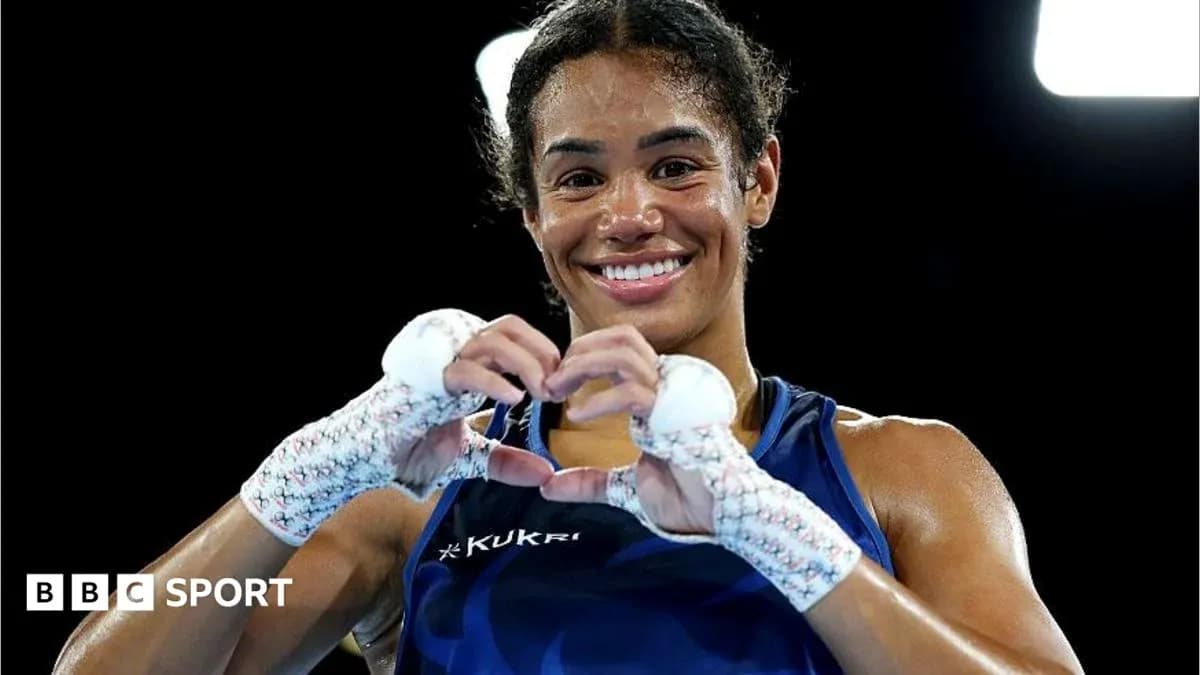
The crowd stayed long after the final bell. They watched as she thanked her family and her team. They watched as she took off her gloves, left them in the centre of the ring, and stepped away.
No need for a comeback tease. No need for one more fight.
Katie Taylor walked out of Croke Park as an undisputed champion, an architect of her own sport, and a standard that those who follow will spend years trying to reach.