Jordan Clarkson Supports Alex Eala at US Open
Jordan Clarkson has a new favorite in New York, and she doesn’t play basketball.
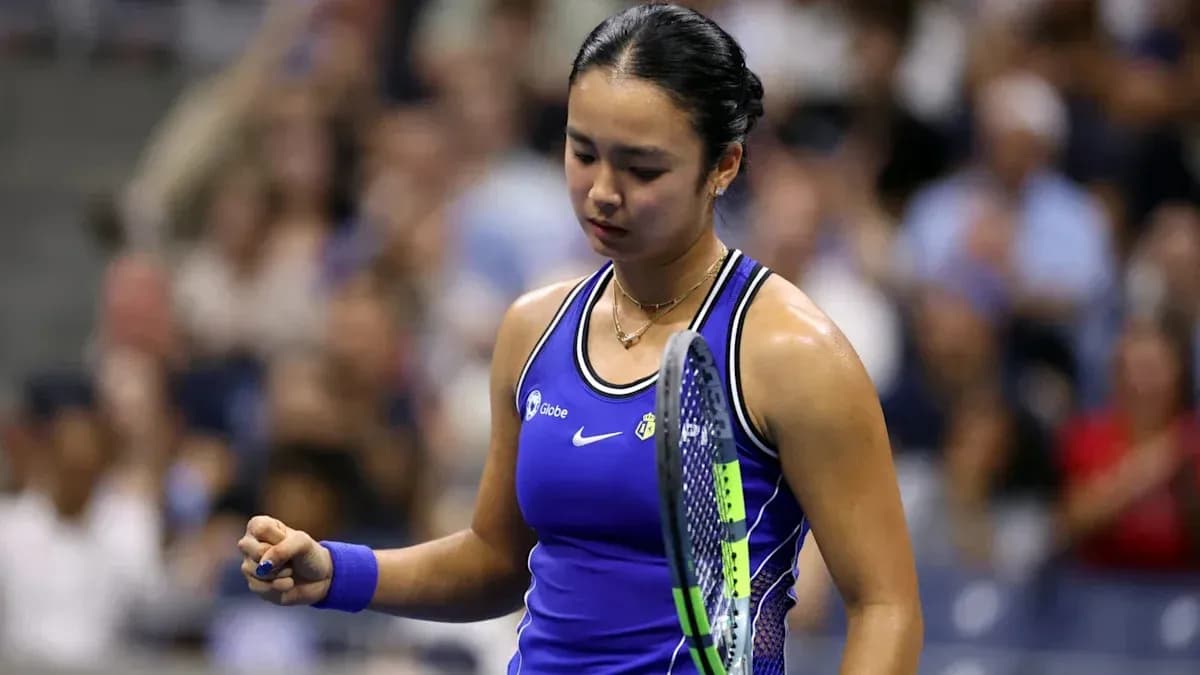
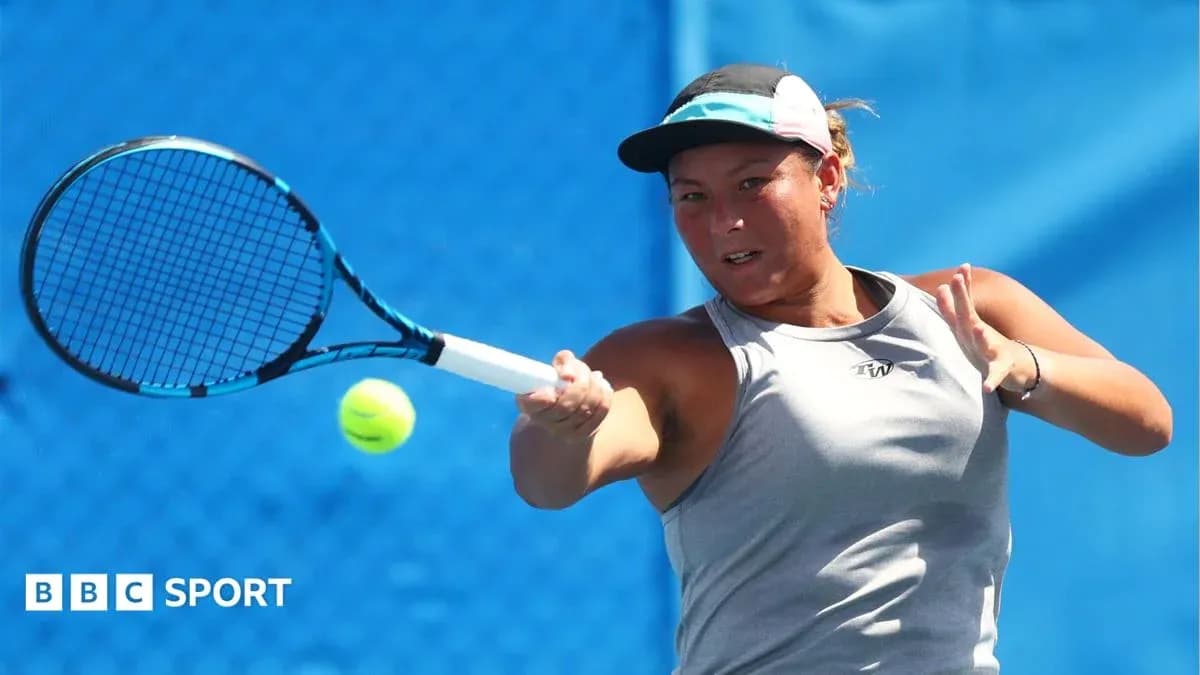
Days after crossing paths with Alex Eala at the US Open and connecting over their shared Filipino roots, the New York Knicks guard was back in her corner — this time from a distance, phone in hand. As Eala dismantled Mary Stoiana, 6-1, 6-2, on Louis Armstrong Stadium, Clarkson jumped onto X with a simple, unpolished burst of support.
“Alex Eala! Let’s goooooooo,” he posted.
Eight words. No hashtag, no promo, no polish. But it carried more weight than a casual shoutout from a local pro.
This is a player who knows exactly what it feels like to carry a flag, not just a name.
From Sixth Man to Role Player, From Scorer to Champion
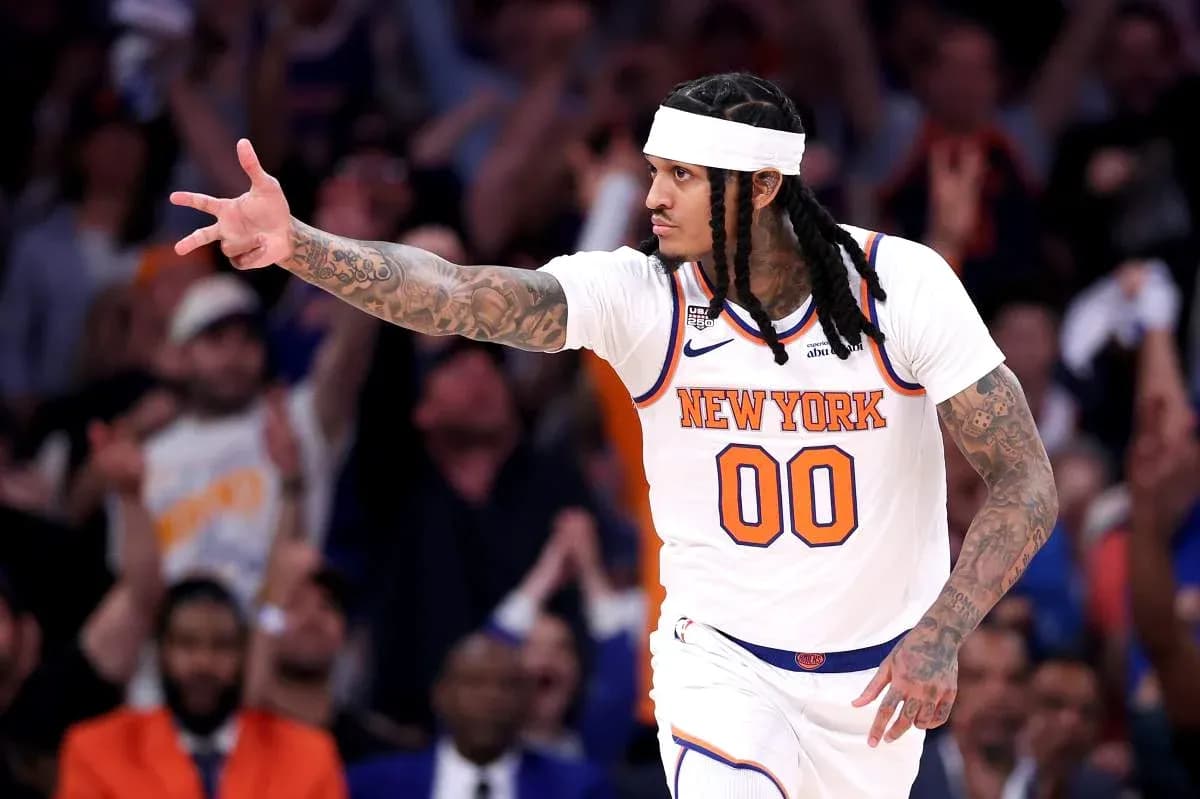
Clarkson arrived in New York last summer with his reputation already carved out. In Utah, he had been the walking definition of instant offense. Over six seasons with the Jazz, he poured in 17.5 points per game in 28.2 minutes, won the NBA’s Sixth Man of the Year in 2020-21, and built a career on green lights and big shots.
Then came the pivot.
Utah bought out the final year of his contract, and Clarkson chose the Knicks. The price was clear: less ball, less shine, less status.
He signed for the veteran minimum. The numbers told the story of his adjustment. From 16.2 points, 3.7 assists and 3.2 rebounds in 26.0 minutes in his final Jazz season, he dropped to 8.6 points, 1.8 rebounds and 1.3 assists in 17.8 minutes across 72 games in New York, starting only once.
He went from primary bench scorer to cog in a crowded, championship-caliber rotation.
He took fewer shots. He sat longer stretches. He accepted that some nights, his job was to change the rhythm in short bursts, not dominate it for long stretches.
The reward? A ring.
New York’s deeper roster turned into an NBA title, and Clarkson’s willingness to shrink his role without shrinking his impact turned him into a quiet cult favorite at Madison Square Garden. He played his part, didn’t complain, and the Knicks noticed. This summer, they brought him back on another one-year veteran-minimum deal worth $3.9 million.
For a former Sixth Man of the Year, that kind of reset isn’t small. It’s a career redefinition.
Clarkson traded volume for a chance to contend — and cashed it in.
A Shared Flag in Queens
That journey is part of what sits behind his support for Eala.
When they met during US Open week, their conversation wasn’t just about tennis or basketball. It was about something that stretches beyond either sport.
“When you got Filipino blood, you take the whole country with you,” Clarkson told her.
He wasn’t speaking in metaphors. He’s lived it.
Clarkson has spent years wearing the Philippine colors on the international stage, feeling the full weight of a nation’s hopes every time he checked in. He knows what it’s like when every possession, every shot, every decision feels like it echoes thousands of miles away.
Now Eala is stepping into that same kind of spotlight.
Her opening-round win over Stoiana played out in front of a heavily Filipino crowd in Queens, flags scattered around Louis Armstrong Stadium, every point met with a roar that sounded more like a home tie than a Grand Slam early round. The noise followed her. So did the expectations.
And somewhere in that mix — in the stands, on screens, on social feeds — is Clarkson, no longer the sole Filipino sporting figure in the city, but part of a growing chorus.
Different Stages, Same Audience
The contrast between the two is stark.
Eala is rising. Her profile is stretching beyond tennis, beyond Asia, into a wider sporting consciousness. Each win at the US Open feels like another step into a bigger world.
Clarkson is 34 now. His arc has already bent from high-usage scorer to veteran role player, from centerpiece to specialist. His chase is no longer about proving he can carry an offense; it’s about squeezing another title out of the years that remain.
Yet their careers intersect at one point: the people watching them.
For Clarkson, that connection to the Philippines has never really left. He felt it with the national team. He feels it at Madison Square Garden when Filipino fans show up in jerseys and flags. He feels it now, as Eala makes a run in the same city where he plays, on courts just a train ride from where he works.
So his post on X wasn’t just a casual nod from one pro athlete to another. It was a veteran who has already reshaped his own identity in New York saluting a teenager who is still building hers, both of them carrying the same colors in different arenas.
“Alex Eala! Let’s goooooooo.”
For a guard who has learned how powerful it can be when a player embraces a new role — smaller, sharper, more focused — the message lands with a familiar edge.
Keep going.