John Paul Hale Transitions to Professional Boxing
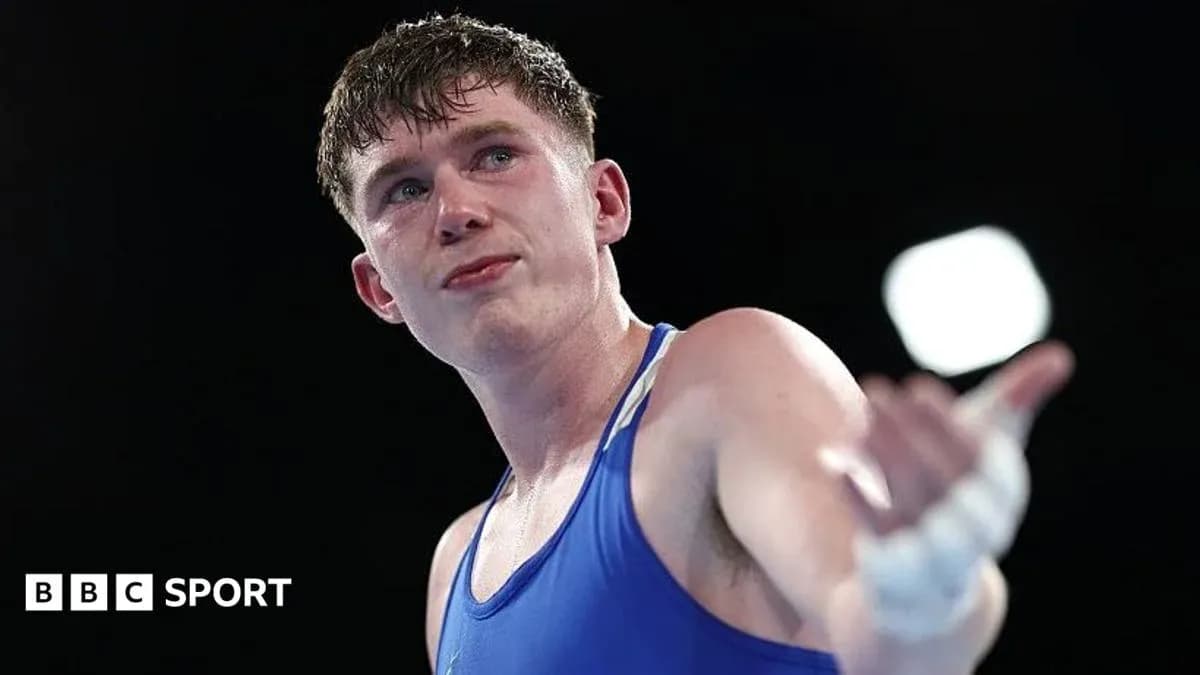
John Paul Hale has seen enough of amateur boxing. The medals, the heartbreak, the politics. At 25, the Belfast fighter has decided the next punch he throws will be for pay.
This is not a leap of faith. It is a calculated step from a man who has squeezed almost everything he could from the unpaid code.
An Irish Elite champion in 2021. Six Ulster titles. Two Commonwealth Games, in 2022 and again this summer in Glasgow. A solid ledger, the kind most amateurs would cling to for another Olympic cycle.
Hale is walking away from it.
“I did as much as I could in the amateur game and now is the right time,” he said, the conviction in that line forged on one sour July afternoon in Glasgow.
A bitter farewell
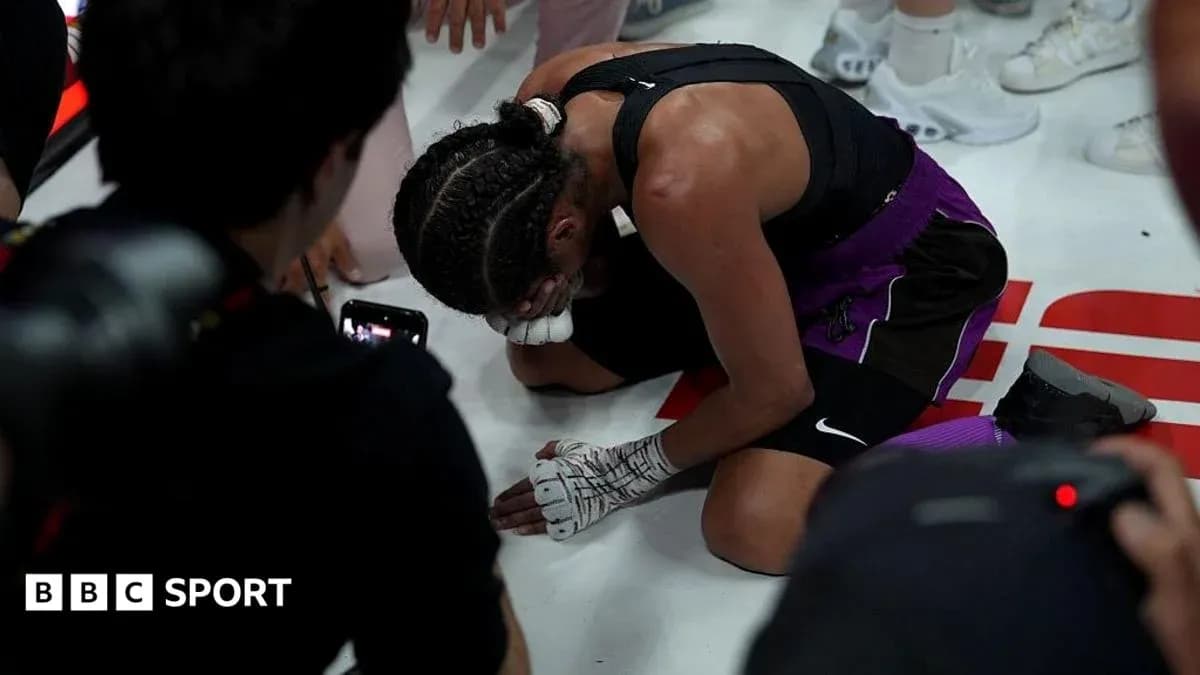
He had wanted a medal as his parting gift from the Commonwealth Games. Something tangible to close the chapter. Instead, he left the ring furious, beaten in his opening bout by England’s Patris Mughalzai in a contest that spiralled into a row over refereeing and scoring.
Hale was docked two points. Mughalzai one. On the cards, that was that. In Hale’s head, it was anything but.
Boxing’s old problem resurfaced: the subjectivity that can turn three judges and one referee into the story. Hale’s reaction said more than any post-fight interview could. One finger raised towards the officials, a raw, unfiltered response that instantly evoked another Belfast fighter wronged on an international stage.
The same finger Michael Conlan aimed at the judges in Rio in 2016.
“It’s a weird one as it’s the first time I wasn’t upset at myself,” Hale told BBC Sport NI as he revisited that night. “I knew how hard I had worked before it and had beaten that lad before. That time, the referee was letting me work instead of calling ‘break’ and if he was holding, there were warnings.
“I went into that [Commonwealth Games bout] with a mindset that it would be a similar outcome but just felt the referee took it away from me.
“It was upsetting because deep down, I knew it was my last opportunity to accomplish what I set out to do [as an amateur].”
The sense of déjà vu for Irish boxing was hard to ignore. Conlan’s controversial loss to Vladimir Nikitin eight years ago lit the fuse under AIBA, now rebranded as IBA, and exposed the rot in the sport’s governance. Since then, World Boxing has emerged, winning recognition from the International Olympic Committee and overseeing this summer’s Commonwealth Games.
New badge, new body, same old arguments.
New badge, old problems
Hale does not buy the idea that the move to World Boxing has cleaned everything up.
“I don’t feel it has changed even though there has been the transition to World Boxing,” he said.
“It seemed they [judges] were looking for more aggressive fighters and that suited me, but it didn’t feel that way and it just feels like nothing has changed.
“When you get to the elite-level fighters, you have different styles they need to sort out how they want people to fight to win. Some can win on the back foot and are not getting the decisions, then others go forward and aren’t getting it.
“Look at Jude Gallagher at the Commonwealth Games. Loads of others were sickened by it too, a few Scottish fighters were on the end of bad ones [decisions].”
That frustration could have pushed him to hang around for one more shot at the biggest stage of all. Los Angeles 2028 will tempt plenty of fighters to stay amateur longer than planned. Hale will not be one of them.
He admits he considered turning professional two years ago but decided to delay. He wanted no “what ifs” about his time in the vest and headguard. Glasgow, even with the bitter ending, still sits as “a great experience” in his mind.
Now, the equation has changed. Mid-20s, body fresh, résumé full. The itch to move on has become impossible to ignore.
Conlan in his corner
If you are going to leave the amateurs behind, there are worse men to guide you into the pros than Michael Conlan.
The former amateur world champion and two-time professional title challenger has seen every side of this sport: the glory, the injustice, the business. Now he will channel that into Hale’s career.
“It’s class to have him on board because he knows a lot about pro boxing and it’s great to have someone like him with that knowledge behind me,” Hale said.
There will be no glamour move to a far-flung training base. No reinvention for the cameras. Hale will remain where he has always been most comfortable – Star ABC in the New Lodge, north Belfast. The same gym, the same community, just a very different set of stakes.
He will start life in the paid ranks at welterweight, a division stacked with talent and opportunity. Before any of that, though, comes a more modest stage.
From The New Lodge to The Devenish
On 27 November, Hale will walk into The Devenish in west Belfast for his professional debut. It is not an arena, not a stadium, but it is a venue steeped in local boxing history.
Anthony Cacace, now a world super-featherweight champion, began his journey there. James Tennyson, who would go on to fight for a world title, built his early career in the same room. The Devenish has seen prospects arrive quietly and leave as contenders.
Hale wants to earn that kind of progression.
“If I perform, the bigger venues and nights will come,” he said. “I would rather start from the bottom as I like to be a bit of an underdog and build myself up. You can jump into too much too early and be overwhelmed by it.
“There are big pros who have fought on smaller shows, so that’s all part of the game.
“As it’s the debut, a lot of people who watched me as an amateur will want to come and see me as a pro, so it will be a good night.”
The amateur chapter closed in anger. The professional one opens in a smaller room, with familiar faces and a point to prove. For John Paul Hale, that might be the perfect place to start hitting back.