Japan Push India to the Brink in Five-Over Thriller
On a damp evening in Nagoya, a game arranged as a tune-up for India turned, briefly and thrillingly, into a near-upset that would have echoed around world cricket.
What was supposed to be a routine workout for the world champions became a five-over scrap for survival. Rain sliced the contest down to its bare bones. No time to settle, no room for repair. Just 30 balls each.
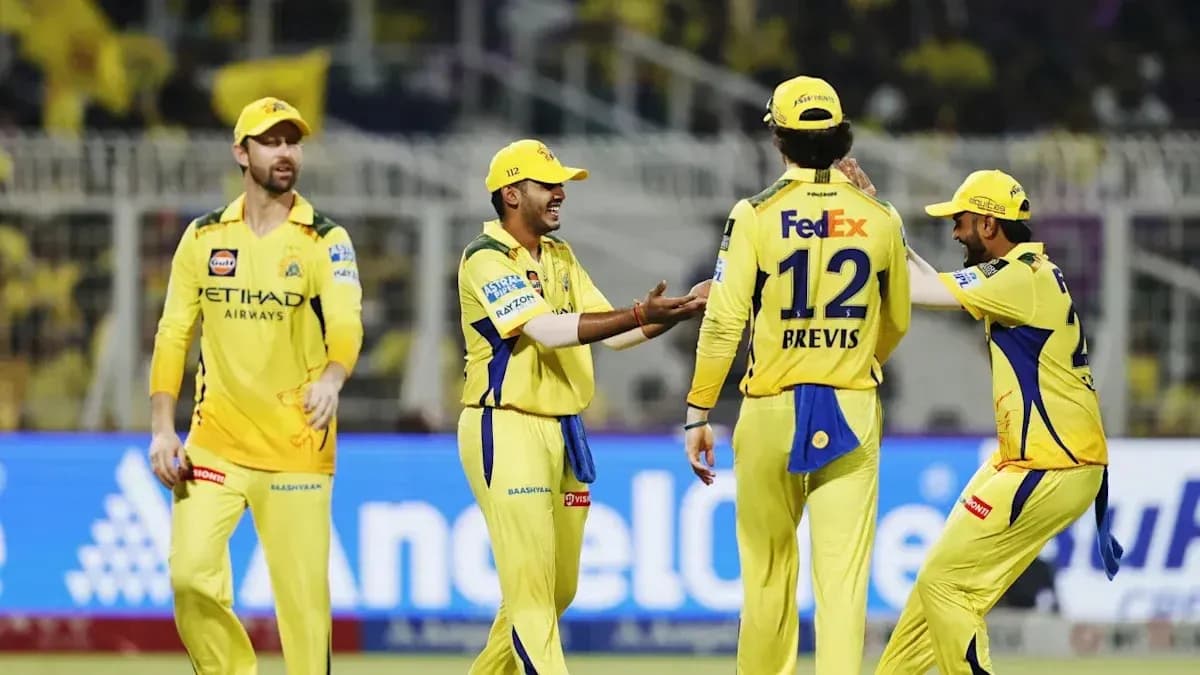
India chose to bat but never looked in control. On a placid pitch that offered no demons and an outfield that refused to reward well-timed strokes, their vaunted batting order stalled. The ball held up, the fielders chased everything down, and Japan refused to be overawed by the reputation in front of them.
Only captain Shreyas Iyer found any rhythm. His 16 stood out starkly in a scorecard otherwise frozen in single figures as India limped to 32-4. For a side packed with stars, it was a strangely muted effort, the innings never quite breaking into a sprint.
The modest total cracked the door open. Japan, cricket minnows on paper, suddenly had a target that felt tangible, not theoretical. Thirty-three from 30 balls against the world champions. On home soil. Under lights. The possibility of something remarkable hung in the air.
Japan’s reply carried that sense of adventure. They did not crumble under the weight of the occasion. They chipped away, found gaps, and kept the contest alive deep into the chase. India, unexpectedly, found themselves defending every run, every misfield, every loose delivery.
The pressure built with each over. A boundary here, a scampered two there, and the crowd sensed it: this was no exhibition. This was a contest.
India’s bowlers, though, clung on. Wickets arrived just in time, stalling Japan’s momentum and forcing recalculations in the middle. The hosts reached 30-3, agonisingly close, just two runs short of a result that would have stunned the sport.
When the final ball was done, India had survived. Nothing more. No swagger, no statement, just a narrow escape in a five-over shootout that asked serious questions of their readiness, even in such unusual conditions.
For Japan, the scoreboard said defeat. The performance said something else entirely. This was their first T20 International against India, a fixture secured only after working diplomatic channels to bring the giants of the game to their shores. They wanted exposure. They walked away with credibility.
India came to Japan to acclimatise before defending their Asian Games title. Instead, they received an early reminder that in the shortest format, reputation offers no guarantees.
Japan, for a few overs in Nagoya, proved exactly that.